
Sanitary Ware Certification is an aspect that you cannot overlook in case you intend to sell sanitary ware products such as toilets, faucets, pipes, or shower systems in international markets. Various nations have stringent regulations to safeguard users, hygiene, and water safety. Your products may be rejected at customs or prohibited from being sold without the appropriate certification.
CE, cUPC, WaterMark and WRAS are just some of the certifications that determine whether your product can enter Europe, North America, Australia or the UK. These certificates will confirm that your products are safe, material and performance compliant.
At Guangzhou Sourcing, we assist buyers and manufacturers to know and source certified sanitary ware so that they can venture into global markets without delays and compliance problems. Through this guide, you will be able to fully comprehend how Sanitary Ware Certification operates, what each certification entails and where you require it.
What is Sanitary Ware Certification?
"Sanitary ware certification" refers to the official certification that a product is safe, hygienic, and performs to the standards of a country or region. This whole system is referred to as Sanitary Ware Certification in international trade.
You may consider it a quality pass of your bathroom and plumbing products.
The manufacturers and importers have to adhere to Sanitary Ware Certification rules since:
- Water safety and hygiene are strictly regulated by governments.
- Construction laws require approved materials
- Customers insist on safe and tested products.
- Non-compliant goods are blocked by customs officials.
These certifications are related to international plumbing and building codes. When your product does not meet the requirements, you are automatically out of the market.
Why Sanitary Ware Certification is Important for Global Markets
Certification plays a big role in international trade. You cannot make it optional.
This is why this is important:
- Assures Safety of the Product: It safeguards the users against leaks, contamination, and breakage.
- Clears easily: Certified goods are cleared quicker at the border.
- Establishes Credibility: Certified brands are favored by the contractors and distributors.
- Opens Premium Markets: Europe, USA, UK, and Australia will only accept compliant products.
- Minimizes Legal Liability: You will not be fined or recall products.
In brief, certification will enable you to sell anywhere in the world without any limitations.
CE Certification for Sanitary Ware
What is CE Certification?
CE marking is an important element of Sanitary Ware Certification in Europe. It demonstrates that a product complies with EU standards of safety, health and environmental protection. It serves as a kind of a legal passport to sell products in Europe.
The presence of the CE mark on your sanitary ware will demonstrate that the product is constructed in accordance with the EU regulations of construction safety, user protection, and environmental responsibility.
Simply put, CE certification informs buyers and governments:
“This is a safe product to use in Europe.”
It also demonstrates that the manufacturer does not neglect quality and adheres to the strict international standards.
Why CE Certification Matters for Exporters
CE certification helps you to access one of the largest construction markets in the world. You cannot legally enter Europe without it.
It also helps you:
- Establish credibility among European importers.
- Avoid customs rejection
- Competition with international brands.
- Add value to products in international trade.
At Guangzhou Sourcing, we advise clients to plan their CE-related Sanitary Ware Certification early to prevent delays in shipments.
Where is CE Required?
You must have CE certification in:
- European Union (EU) countries
- Countries in the European Economic Area (EEA)
This encompasses such key markets as Germany, France, Italy, Spain, and the Netherlands.
CE is not a choice; it is mandatory in case you wish to sell in Europe.
Key Requirements of CE Certification
Your sanitary ware will have to undergo rigorous inspections in order to receive CE approval:
1. EU Safety Standards
Products should not be harmful when used normally.
2. Environmental Protection Rules
Manufacturers have to cut back on the harmful materials and adhere to the eco-friendly guidelines.
3. Construction Product Regulation (CPR)
Products should comply with the EU construction performance laws.
4. Performance & Durability Testing
Products should be able to resist long-term pressure, water flow, and temperature variations.
5. Technical Documentation
Manufacturers have to prepare elaborate technical files, test reports, and declarations.
Products Covered Under CE
CE certification is applicable to:
- Faucets and taps
- Water valves
- Bathroom fixtures
- Pipes and fittings
- Shower systems
Such products need to comply with CE regulations prior to joining the construction projects in Europe.
cUPC Certification for Sanitary Ware
What is cUPC Certification?
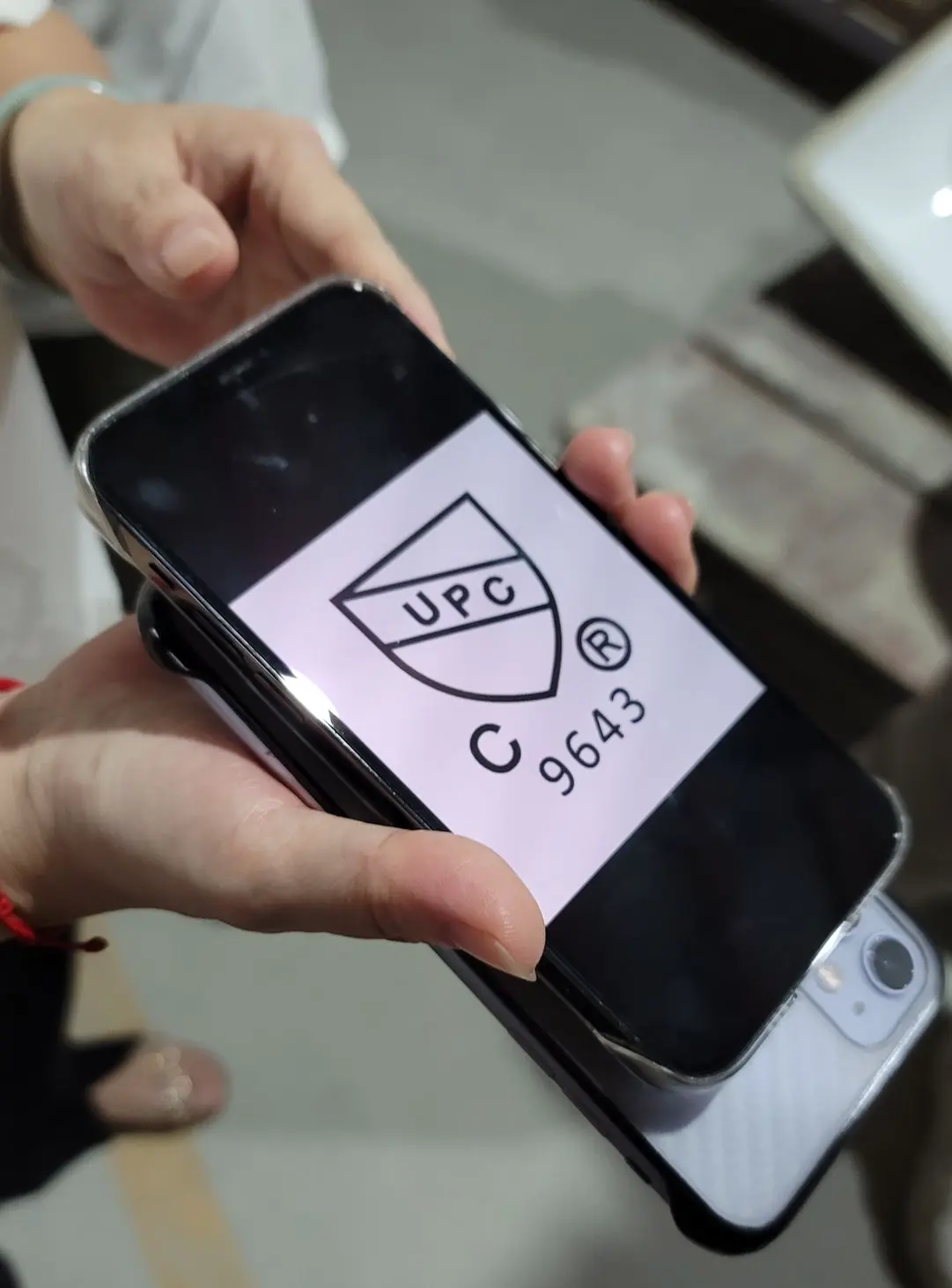
cUPC means "compliance certification of the Uniform Plumbing Code." It assures that the plumbing products are in line with safety standards applied in the United States and Canada.
It is primarily concerned with ensuring the safety, cleanliness, and longevity of water systems.
When your product is cUPC approved, then it is compliant with North American plumbing regulations.
Why cUPC is Important
cUPC certification is significant for construction safety in North America.
It helps you:
- Legally enter the US and Canadian markets.
- Gain approval from contractors and builders
- Enhance confidence in commercial building projects.
- Minimize the risks of product liability.
In the absence of this Sanitary Ware Certification, North American buyers rebuff products.
Where is cUPC Required?
You must have cUPC certification in the following:
- United States
- Canada
CUPC is also necessary to access a broad market because some states and provinces have even stricter plumbing codes.
Key Standards of cUPC Certification
cUPC testing is concerned with the safety of real-life usage:
1. Water Pressure Safety
Products should be able to withstand high and low pressure.
2. Material Safety
Drinking water should not be contaminated by any toxic metals such as lead.
3. Leak Prevention
Goods should not leak water during prolonged usage.
4. Durability Testing
The products have to be durable for less than daily household and business use.
5. Temperature Resistance
The system should not be damaged by hot and cold water changes.
Common Products Covered
cUPC certification is applicable to:
- Flushing systems and toilets.
- Faucets and mixers
- Shower systems
- Pipes and plumbing fittings
- Valves and connectors
Explore Our Toilet Catalogs
Browse our toilet catalogs for product options, specifications, and models suitable for different international markets.
WaterMark Certification
What is WaterMark Certification?
WaterMark is Australia’s official plumbing compliance system. It guarantees that the plumbing products of all types comply with the Australian safety and performance standards.
It is concerned with water efficiency, safety, and long-term durability.
WaterMark approval is mandatory in case you wish to sell plumbing products in Australia.
Why WaterMark is Important
WaterMark certification helps:
- Control water quality in Australia
- Avert failure of the plumbing systems.
- Make sure that water is used safely in houses and buildings.
- Keep national standards of construction.
Your products can not legally enter most Australian plumbing projects without a WaterMark.
Where is WaterMark Required?
You must have WaterMark certification in:
- Australia (most plumbing products are mandatory)
- Some regulated systems in New Zealand
In Australia, there are stringent water safety laws and therefore, compliance is very stringent.
WaterMark Compliance Requirements
WaterMark testing includes the following:
1. Plumbing Performance
The products should be able to perform effectively in varying water conditions.
2. Pressure Resistance
Products should be able to deal with high-pressure water systems.
3. Water Efficiency
The products should be able to facilitate water-conservation needs.
4. Material Safety
Water supply should not be polluted by any toxic chemicals.
5. Long-Term Durability
Products should have a life span of years.
Products Covered Under WaterMark
WaterMark applies to:
- Bathroom mixers and taps.
- Water valves
- Pipes and fittings
- Sanitation and toilets.
- Shower and drainage systems.
WRAS Certification
What is WRAS?
WRAS is an abbreviation of Water Regulations Advisory Scheme in the UK. It establishes that a product is safe and not contaminating drinking water.
WRAS is very concerned with the protection of public health.
When your product successfully completes WRAS testing, then it is safe to use in UK water systems.
Why WRAS is Important
WRAS certification ensures:
- Water supply of safe drinking water.
- No chemical contamination
- Adherence to UK water regulations.
- Great confidence in construction projects.
WRAS is a rigorous UK Sanitary Ware Certification.
Where is WRAS Required?
WRAS is mainly required in:
- Water supply systems in the United Kingdom.
- Plumbing installations in the public and commercial sectors.
There are projects that might require WRAS approval prior to installation.
Key Requirements of WRAS
WRAS certification is concerned with:
1. Water Safety
Drinking water should not be contaminated by products.
2. Material Approval
Only tested and safe materials are permitted.
3. Hygiene Standards
Products should avoid the risk of bacteria and contamination.
4. Regulatory Compliance
Products should be in compliance with the UK water regulations.
5. Chemical Resistance
The materials should not decompose when in contact with water in the long run.
Products Covered Under WRAS
WRAS applies to:
- Plumbing fittings
- Valves and connectors
- Pipes and hoses
- Water control systems
- Components of water supply in the bathroom.
Comparison of CE vs cUPC vs WaterMark vs WRAS
All these are part of global Sanitary Ware Certification systems.
Certification | Region | Purpose | Testing Focus | Status |
CE | Europe | Safety & compliance | Health, safety, environment | Mandatory |
cUPC | USA & Canada | Plumbing safety | Pressure, material safety | Mandatory in many states |
WaterMark | Australia | Plumbing approval | Performance & durability | Mandatory |
WRAS | UK | Water safety | Contamination prevention | Required for water systems |
Quick Summary
- CE = Europe access
- cUPC = North American approval.
- WaterMark = Australia compliance
- WRAS = UK water safety.
All the certifications are a passport to a particular area.
Which Certification Do You Need for Your Market?
Depending on your target market, you should select certification:
- Europe → CE certification
- USA & Canada → cUPC certification
- Australia → WaterMark certification
- United Kingdom → WRAS certification
You might have to obtain several certifications simultaneously in case you want to export to other parts of the world.
At Guangzhou Sourcing, we frequently assist clients in designing certification strategies to prevent them from wasting time and money on the incorrect standards.
Challenges in Getting Sanitary Ware Certification
Being certified is not a simple task. The following are some of the challenges that many manufacturers have to deal with:
- Expensive testing and certification.
- Long approval timelines
- Complex technical documentation
- Factory inspection requirements
- Differences between international standards
Minor errors during product design or choice of materials may postpone certification.
It is due to this that it is better to plan early things.
Tips for Manufacturers & Exporters
To manage Sanitary Ware Certification easily:
- Certification should begin during the product development, not production.
- Use certified raw materials from the beginning
- Work with approved testing laboratories
- Maintain technical files in order.
- Educate your factory staff about compliance regulations.
- Certify in more than one market in case you are an exporter to other countries.
At Guangzhou Sourcing, we take the manufacturers through the process one step at a time to ensure that they do not incur expensive rework and wastage of time.
Conclusion
Sanitary ware certification is not merely paperwork. It determines whether your products will be introduced into the global markets or remain in customs. CE, cUPC, WaterMark, and WRAS are region specific yet all aimed at achieving the same goal: safety and quality.
When you select the appropriate certification strategy, you can develop more quickly, penetrate high-end markets, and develop a solid reputation among international consumers.
At Guangzhou Sourcing, we assist you in sourcing certified sanitary ware and also take you through international compliance to enable your business to expand globally without getting confused or losing time. Get in touch with us to begin sourcing with confidence.
FAQs
1. Do I need all certifications for global export?
No, you just require the certification needed by your target market. However, there are several certifications that will assist when you are selling globally.
2. Which certification is hardest to get?
CE and cUPC tend to be more complex and to demand rigorous testing and documentation.
3. Can one product have multiple certifications?
Yes, there are lots of good products with CE, cUPC and WRAS sold worldwide.
4. How long does certification take?
It varies according to the product, typically 2-8 weeks to test and approve.
5. Is WRAS mandatory in the UK?
Yes, most plumbing and water supply systems will need WRAS approval.
6. What happens if I sell without certification?
Your goods may be turned back at the port, prohibited sale or recalled.
7. Does certification increase product cost?
Yes, yet it also enhances market access, trust, and sales capacity in the long run.