
International transportation of bathroom items such as toilets, sinks, and basins may seem simple, but it requires careful planning. They are bulky and delicate, and most of these products are made of ceramic materials, which can easily crack when transported.
Whether you work in construction, hospitality, retail, or real estate development, importing sanitary ware often involves complex international shipping challenges. Most of the professionals are faced with product damages, packaging errors, and high logistic expenses in managing the shipping of sanitary ware.
This guide may be of particular use when you are:
- Interior designers and architects who place orders of sanitary ware for a residential or commercial project.
- Contractors and developers of real estate that conduct the procurement of building materials.
- Purchasing bathroom fixtures by the managers of a project of a hotel or a hospitality.
- Distributors and importers of sanitary ware in China.
- Retailers and suppliers of bathroom products who do international deliveries.
A large number of these companies prefer the sanitary ware delivery by LCL (Less than Container load) since it enables them to transfer lower quantities without incurring the expense of a full container. Otherwise, however, LCL shipping is more prone to breakage in case the packaging and logistics are improperly managed.
In this guide, you will come to know how sanitary ware shipping in LCL occurs, how to minimize the cases of breakages, and how to manage shipping expenses when importing bathroom fixtures.
Understanding Sanitary Ware Shipping
What Is Sanitary Ware in Global Sanitary Ware Shipping?
Sanitary ware are hygiene and everyday use fixtures that are normally located in homes, commerce, and tourist locations. These are not just bathroom products but are industrial ceramics, which are then finely engineered.
Common products include:
- Toilets & Cisterns: Multi-component systems that are structurally complex because of internal siphons and water channels.
- Washbasins & Pedestal Sinks: They are either wall-mounted, vessel or integrated.
- Urinals & Bidets: The standard urinals and bidets typically used in high-traffic commercial projects typically need special mounting hardware.
- Bathtubs: These may be manufactured under the weight of lightweight acrylic, heavy cast iron, or stone resin, each having a different weight-distribution strategy.
Most sanitary ware products are fired in vitreous china or porcelain at temperatures above 1,200°C. A non-porous surface that resembles glass is formed by this process. This hardness is, however, at the expense of brittleness. Ceramic does not have any give as compared to plastic or metal. It is not able to bend to take in energy; it only breaks off or acquires micro-fractures when high-impact force or abrupt changes in temperature are met.
Why Sanitary Ware Needs Special Shipping Care
There are three scientific reasons why the expert sanitary ware shipping is a unique challenge:
- Irregular Geometries: A toilet/basin is hardly a cube. It contains curves, hollow areas, and bulging edges. These thin points serve as points of concentration of stress. When a box falls, the impact is transferred to the ceramic and breaks automatically the thinnest section of the fixture.
- Vibration vs. Inelasticity: The ships undergo constant vibrations with low frequencies due to their engines. Since ceramic does not conduct vibration, it may cause glaze crazing, a system of small cracks in the surface finish that will destroy the look and cleanliness of the product.
- Static vs. Dynamic Load: These products are heavy. A box may appear strong under static load (when it is not moving), although the Dynamic Load (weight when a ship falls into a wave) may be three times the effective weight of the stack. Unless the lower box can support this, the box inside the box is the structural support—and it collapses.
Common Shipping Methods for Sanitary Ware Shipping
Method | Best For | Pros | Cons |
FCL (Full Container) | High-volume wholesale; Entire projects. | Minimal handling: You have control over the neighboring cargo. | Expensive initial investment; Inapplicable to small stock top-ups. |
LCL (Shared Container) | SMEs; Boutiques; Test batches | Pay only for the volume you use (CBM); Superb in cash flow. | Elevated handling (4-6 "touches); Hazard of incompatible neighbors. |
Air Freight | Emergency replies; Premium samples. | Shortest delivery time; Lowest risk of vibration. | Price is per pound; it is typically 5-10x higher than sea. |
LCL Sanitary Ware Shipping: Why Businesses Use It
Understanding the Mechanics of LCL in Sanitary Ware Shipping
LCL is a short term for Less than Container Load. In this model, your goods are shipped with goods of other shippers in one 20ft or 40ft container.
- The CFS Process: Your shipments are delivered in a Container Freight Station (CFS). In this case, consolidators can put various packages in a single container using specialized software that is used to Tetris the shipments.
- De-consolidation: When the ship arrives, the container is brought to a destination CFS, where it is emptied of all the contents, and your specified pallets are packaged to be delivered.
Why Importers Choose LCL Shipping
- Reduced Startup Cost: You do not have to have 30,000 dollars of toilets bound up. You will be able to purchase 30 items and leave your cash as a liquid to market or operate.
- Elastics Inventory Management: Markets evolve rapidly. With LCL, it is possible to replenish "best-sellers" more often than it is possible with months to complete a container load.
- Lower Warehousing Expenses: With small shipments, also called frequent shipments, there is no necessity to rent huge warehousing areas to hold an entire container of stock.
Challenges of LCL Shipping for Fragile Products
- The "Multi-Touch" Problem: There are two touches of your goods in FCL (loading and unloading). They can be processed six times or more in LCL, which is passed through different warehouses. A forklift accident is a new opportunity every time one touches it.
- The "Cargo Lottery": You do not even know what will be beside your commodities. Your delicate porcelain might be put beside some pallet of unscrewed pipes of metal or some hard industrial chemicals.
Breakage Risk in Sanitary Ware Shipping
Why Sanitary Ware Breaks: The Physics of Transit
- The "Ocean Roll": Cargo vessels are able to tilt up to 30 degrees in rough waters. In case you have at least a 5 cm space between your box and the wall of the container, you will have your box banging into that wall many times over. This is referred to as racking stress.
- Stacking Pressure: In LCL, the containers will be stacked to the roof to maximize the profit. Unless you make a remark on your pallets, indicating that they are Non-Stackable, someone can place a heavy crate on top of the stack, and the double-wall cardboard in the pallet will be crushed.
- Rough handling and "Bumping": This is the case in busy ports, where speed is of the essence. Forklifts can be used to push pallets, which can result in a high-velocity impact that chips the edges of basins even when in the box.
Common Damage Types in Sanitary Ware Shipping
- Hairline Fractures: These ones are the worst, as they cannot be seen at first glance but lead to the leakage or the breaking of the product months after usage due to water pressure.
- Edge Chipping: This normally takes place at the rim of the basin or the foot of the toilet where the ceramic is the thinnest.
- Impact Shatter: This is a result of a direct drop. The ceramic breaks into sharp, jagged pieces; it means that the internal cushioning has failed completely.
- Surface Abrasion: In case the merchandise slides a little within the box, the cardboard will serve as sandpaper, wearing out the shiny cover in a period of 30 days.
High-Risk Stages During Shipping
The most significant risks are in the Factory Loading (poor weight distribution), at the Consolidation Warehouse (high frequency), and in the Ocean Transport (continuous vibration and ship movement).
Best Packaging Methods for Sanitary Ware Shipping
Primary Product Protection: The "First Line of Defense"
- PE Foam Wrapping: PE foam (high-density polyethylene (usually 2 mm to 5 mm thick)) is used. It is essential in the protection of the surface. It avoids chatter marks—the dullness of the glossy surface of the ceramic due to the constant micro-vibration of the engines against the cardboard of the ship.
- Molded EPS (Styrofoam) Inserts: These are not fillers per se; they are designed in the form of cradles. When we shape the foam to the precise 3D shape of a toilet or basin, we make sure that the weight is spread over the whole surface instead of getting on a single stress point, such as a rim or a pedestal foot.
Secondary Packaging for Sanitary Ware Shipping
- 5-Ply Double-Wall Cartons: Vertical compression is the evil in LCL shipping. We demand K=K or A=A grade double-wall corrugated board. These boxes have high Bursting Strength, and in case of increase in the humidity of the container, the cardboard does not become soft and caves in.
- Custom Cardboard Dividers: Tank and bowl should not be in contact with each other in the case of the Two-Piece toilet. Rigid interlocking dividers are used to make distinct "zones" of a single box. This stops the heavy bowl from being like a hammer hitting the fragile tank when swells of the sea are rough.
Outer Protection for International Sanitary Ware Shipping
- ISPM 15 Wooden Crates: With high-end stone resin or designer basins, we will place the boxes inside a heat-treated wood frame (that meets international standards of the ISPM 15). This makes it an inflexible exoskeleton, which keeps the other LCL cargo lean and prevents the mashing of your goods.
- Standardized Pallets: Goods have to be loaded on pallets so as to provide "Mechanical Handling." This will ensure that the goods are moved by a forklift and not a human being. Dropped boxes are hardly caused by human handling; machines are far more stable.
- Industrial Stretch Wrapping & Strapping: A minimum of 5 to 7 layers of high-micron stretch film are used. This, combined with heavy-duty PET strapping, makes individual packages one big monolithic block that will not move in the process of the so-called Ocean Roll (when a ship leans to 30 degrees or more).
Container Loading Techniques for LCL Shipments
Professional consolidators use the interior area of a container as a puzzle with regard to structure:
Dunnage Airbags
These are made of heavy inflatable bags that are fitted at the airspaces between your pallet and the container wall. They are shock absorbers and therefore they eliminate the side-to-side slamming during transportation.
Cargo Blocking & Bracing
The pallets are locked by the use of timber and specialized nails to the container floor. This is because heavy objects such as toilets that have high inertia and desire to continue to move even when the ship ceases tilting require this.
Strategic Distribution of Weight
We take the Heavy-Bottom rule. Heavy machines should not be put on top of fragile ceramics or metal drums. We do this so that we can tell the CFS (Container Freight Station) to place your goods in the top tier of the load or the protected tier.
Cost Control Strategies in Sanitary Ware Shipping
CBM Optimization (Volume vs. Protection)
LCL will be charged on a Cubic Meter (CBM). We assist you to come up with packaging that is tight in order to save money and yet loose in order to avoid breakage. A cut of only 5 cm of redundant width in 100 boxes will save you more than $300 in freight.
Supplier Consolidation
In case you purchase basins with Supplier A and toilets with Supplier B, do not separate them. Guangzhou Sourcing has an opportunity to bundle them into a single LCL shipment, i.e., you only pay a single portion of the Fixed Fees (Bill of Lading, Export Clearance and Port Charges).
Direct Port Services
Each time an LCL container is transshipped (changed ship) at a hub such as Singapore or Dubai, the likelihood of damage increases twofold. Direct-to-Destination routes are also a priority for us so that your cargo is handled as little as possible.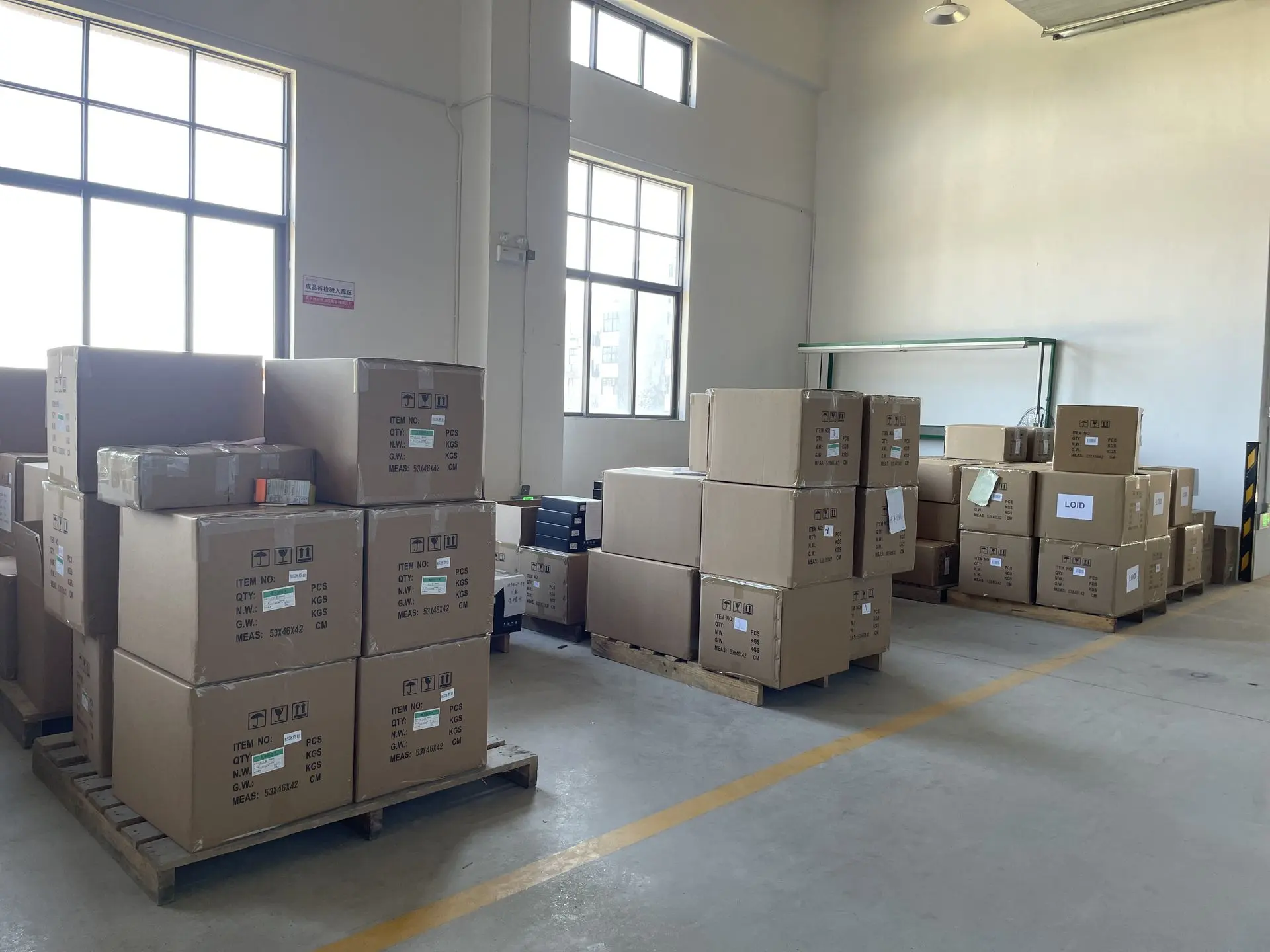
Insurance for Sanitary Ware Shipping
Why Cargo Insurance Matters
When insurance is not available, you would be restricted to the basic liability by the carrier that would not normally be the value of the ceramic goods in their entirety.
Types of Shipping Insurance
- All-Risk Clause: The majority of insurance for shipping only covers Total Loss (the ship sinking). In the case of ceramics, you require Breakage and Chipping cover. This means that in case of a broken toilet in 3 out of 50, you can be refunded the entire worth of the toilet.
- The 110% Valuation: This is where we will advise a 110 percent value to be insured of the CIF. This additional 10 percent is used to cover the administrative time and also the possible loss of profit due to the damaged inventory.
Common Mistakes to Avoid
- The "Pallet-Less" Trap: The importers usually attempt to save 15 dollars by hauling the cartons loose. This is a disaster recipe in LCL where loose boxes are hand stacked and, in many cases, thrown into the container.
- Labeling in Two Languages: Not FRAGILE. Make sure that the workers of origin and destination understand the risk by using both English and Chinese international symbols (the glass icon) and labels.
- Neglecting ECT (Edge Crush Test): A box that is perceived to be strong may have low ECT. Never fail to ensure that you have export-grade cardboard that is specifically designed to be used in high-stacking pressure.
Future Trends in Sanitary Ware Shipping: Smart & Green Packaging
- Shock & Impact Sensors: Shockwatch stickers are increasingly being used amongst the clients. They are made bright red when the box is dropped, nor can you lose the chance of holding the carrier responsible as soon as delivery is received.
- High-Strength Honeycomb Board: The future of environmentally friendly shipping. It is completely recyclable with a structural integrity like plywood, and it provides an alternative to conventional Styrofoam that is sustainable.
Why Choose Guangzhou Sourcing for Your Sanitary Ware Shipping
Sanitary ware shipping and logistics are equally significant when you source products in China as far as product quality is concerned.
The process could be made easier by having a partner in sourcing and procurement.
Strong Supplier Network in China
Reliable manufacturers are also found to be very hard to find when sourcing at an international scale. We deal directly with sanitary ware manufacturers whom we trust and assist clients in the identification of those suppliers that meet both design and technical requirements.
Quality Control and Product Inspections
Before shipping, quality issues tend to arise. To achieve the desired products and project specifications, our team conducts organized quality checks in the production process and prior to delivery to the project site.
Warehousing and Container Consolidation
Shipments become expensive as soon as this is done to a number of factories. Our services include warehousing and consolidation so that products of various suppliers can be combined in a single shipment. The strategy assists in lowering the logistics expenses and facilitates the global transportation.
Logistics Coordination and Shipping Support
Shipping documentation, container booking, and cargo coordination may be complicated. We handle both FCL and LCL shipping, and your goods are transported without difficulties between the factory and your location.
End-to-End Procurement Support
You do not have to enter into contracts with several suppliers, logistics providers, and inspectors but instead select one partner that is in charge of the sourcing process. We also provide China sourcing solutions, covering everything from supplier selection to shipping coordination for international building projects.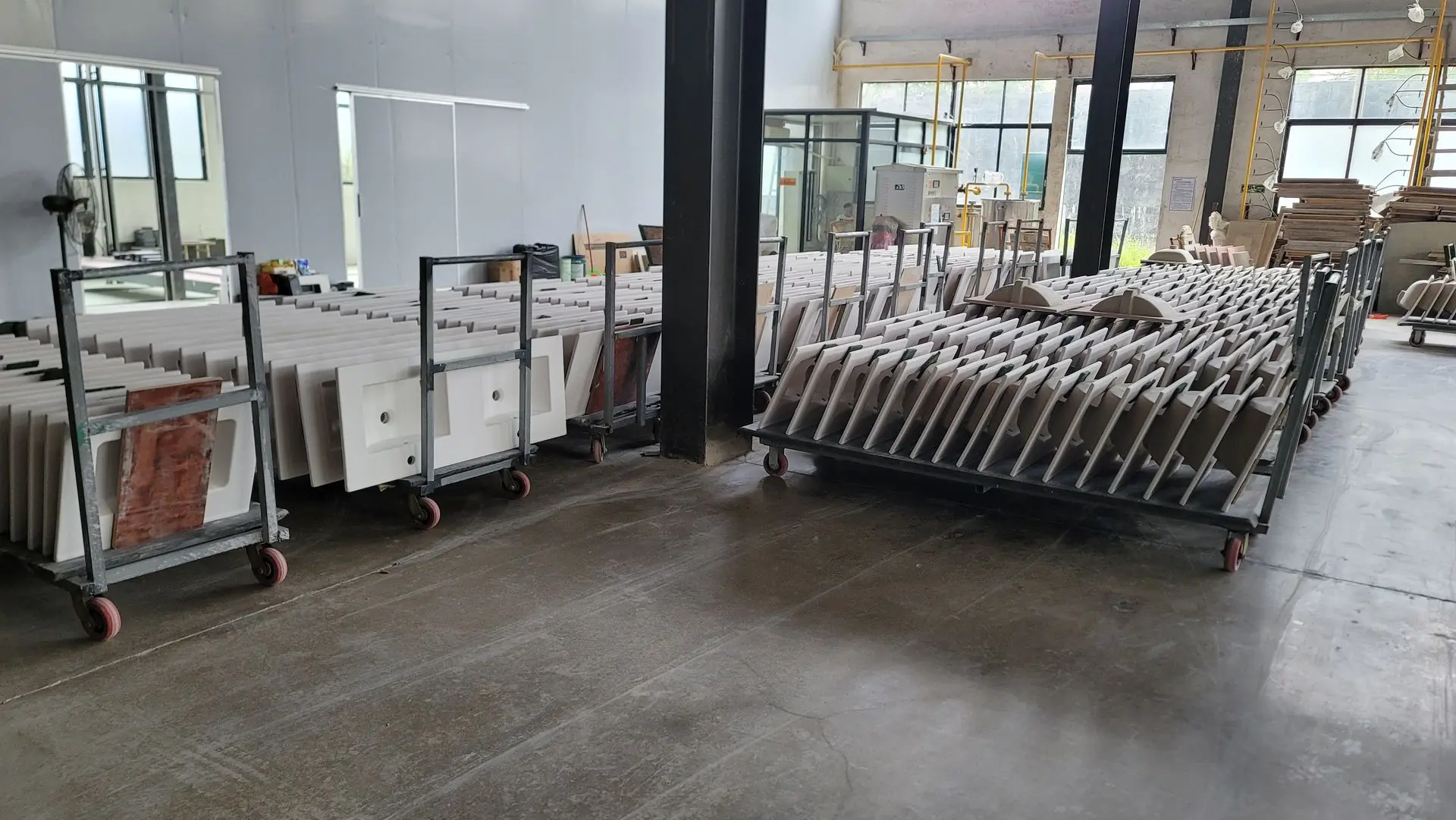
Guangzhou Sourcing, Your Best Partner for Sanitary Ware Shipping
Successful sanitary ware shipping necessitates the safety-first attitude. Since such products are not only fragile but also heavy, it is the details that will help them to succeed: the thickness of the cardboard, the stability of the pallet, and the abilities of your logistics partner.
Guangzhou sourcing deals in sourcing complex and sanitary ware product shipping ventures in China. We assist companies in organizing to select suppliers, inspections, and packing and to ensure safe and timely shipment of goods in LCL.
Call us now and talk about your project and allow our team to source and ship your product more easily.