
Selecting the right materials is an important factor in any construction, renovation, hotel or interior design project, as it can significantly impact your budget, quality, and schedule. Materials procurement from China offers a variety of manufacturers, competitive pricing, and customization choices. But to find a supplier with a low price is not enough to be considered successful sourcing. It's also important to verify product quality, confirm specifications, know shipping costs and ensure that your materials are suitable for your destination market.
China is a great choice for foreign buyers, whether it's furniture and lighting or tiles, doors, windows, bathroom accessories, and other building materials. The secret is to have a clear process in place that allows you to compare suppliers, manage risk, and control costs from initial inquiry through to final delivery.
What Is Materials Procurement from China?
Materials procurement from China involves locating suppliers, price comparison, order, quality check, and delivery from Chinese manufacturers to your business or project site. It extends to the whole purchasing process, not just the payment and delivery of goods.
For instance, in the case of a hotel, hundreds of products such as bathroom fixtures, bedroom furniture, decorative lighting, flooring, and doors may be required. You can avoid purchasing from multiple local distributors and find out about Chinese manufacturers that provide you with the products you need, at a price you can afford, and with the design you want.
The complete procurement process typically involves:
- Finding appropriate products and manufacturers.
- Requesting and comparing quotations.
- Checking samples and product specifications.
- Confirming contract, prices, and delivery schedules.
- Monitoring production and inspecting finished goods.
- Making arrangements for shipping, customs clearance and final delivery.
These steps can be handled by you or by a sourcing partner who takes care of suppliers and logistics for you.
Which Materials Can You Procure from China?
The Chinese manufacturing industry provides a wide variety of products for residential, commercial and hospitality projects. This will be based on your specification, quantity, budget and manufacturer's capabilities.
Common categories include:
- Building Materials: Tiles, flooring, doors, windows, wall panels, and decorative finishes.
- Furniture & Millwork: Cabinets, wardrobes, beds, tables, chairs, and custom storage solutions.
- Lighting: Chandeliers, pendant lights, architectural lights and decorative lighting.
- Bathroom Products: Sanitary ware, faucets, shower systems, mirrors, and bathroom accessories.
- Hotel and Commercial Supplies: Furniture packages, lighting and fixtures, and some operating supplies.
For instance, a residential developer can order kitchen cabinets, bathroom vanities, doors, and lighting for multiple apartments. The hotel owner might require harmonious furniture, artwork and bathroom products with a single design concept.
Prior to product selection, create a list of needed quantities, dimensions, materials, finishes and safety standards. This allows you to make a proper comparison of the suppliers.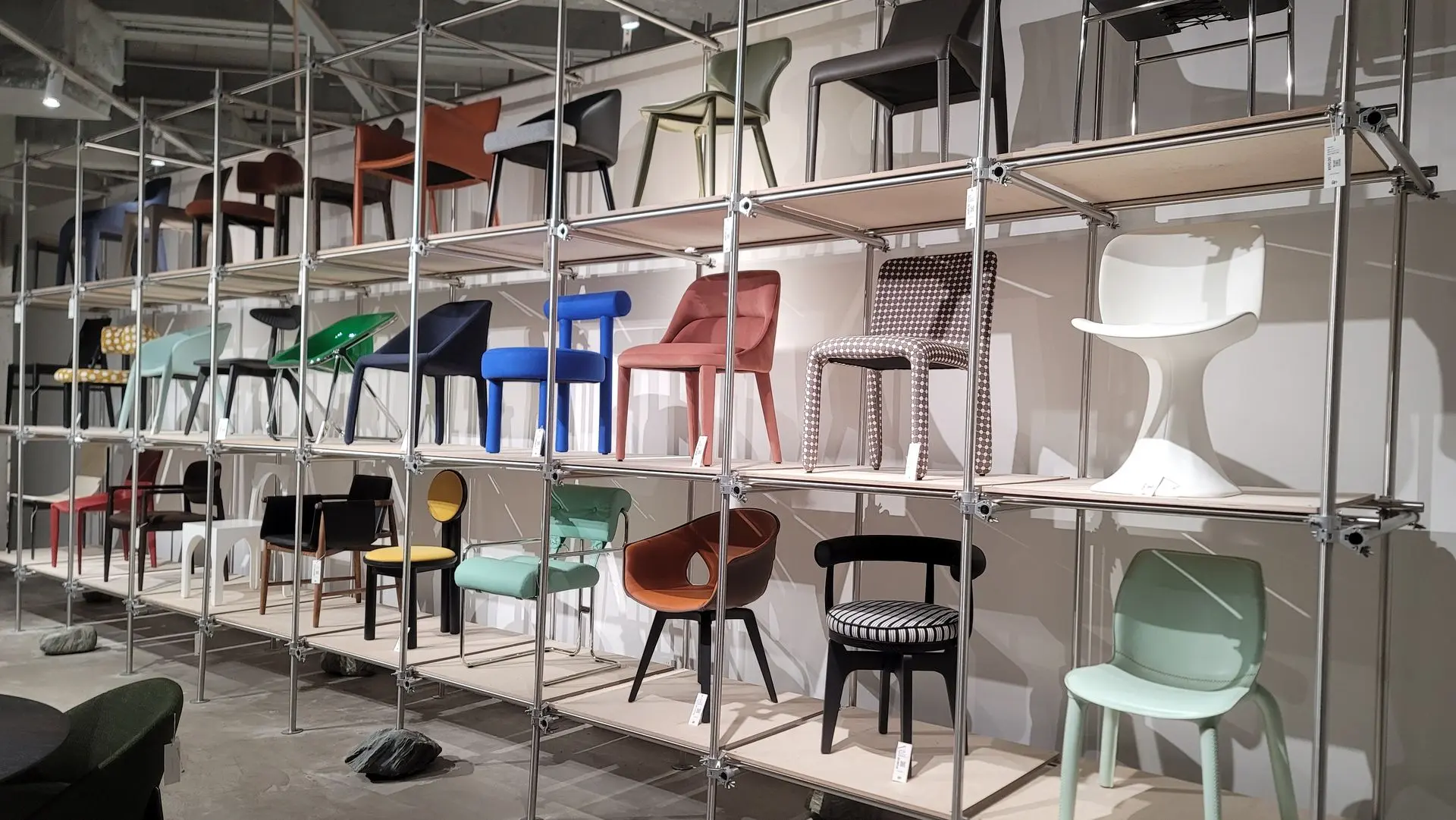
What Are the Main Opportunities in Materials Procurement from China?
The main opportunities are access to manufacturers, a wide range of products, customization, competitive quotations, and multi-product purchase coordination. With careful order planning, these benefits can assist you in handling complex orders in a more efficient manner.
1. Access to a Wide Network of Manufacturers
In China, there are manufacturing companies in a variety of product categories. This provides you with more choices to compare product quality, production capacity, customization services and prices.
Contact several manufacturers to find a supplier that meets your project's requirements. But don't take it for granted that all factories have the capacity to manufacture all kinds of materials or all international standards.
For instance, if you are looking for custom wardrobes for a hotel, check out the manufacturers for their materials, hardware, finishing quality, production capacity, and experience with hotel wardrobes.
- Expert Tip: Before deciding, ask suppliers for product specs, recent projects, and clear details of their manufacturing capabilities.
2. Competitive Pricing and Better Budget Control
Buying directly from the right manufacturer may reduce costs by eliminating some intermediary fees. Bigger orders can also provide the chance to get better unit rates.
But the lowest bid is not necessarily the best. A lower price might be due to fewer finishes, less hardware, less thickness of materials, or other quality standards.
Let's take a look at two suppliers selling kitchen cabinets. One quotes lower and does not have a durable surface finish or hinges. The other is more expensive but has higher hardware specifications and is more moisture resistant. Depending on the project needs, the second one might be more valuable in the long run.
Always compare quotations on the same specifications and always work out the total landed cost before making your decision.
3. Customization for Different Projects
Chinese manufacturers can provide customized sizes, colors, materials, finishes, and product designs. This versatility can enable you to match particular architectural plans or interior design ideas.
A hotel designer, for instance, might require bedside tables of a specific size, bathroom vanities to fit an atypical layout, and wardrobes in a specific finish. These can be manufactured by a manufacturer that has the appropriate equipment and experience to manufacture them to approved drawings.
Document all measurements, finishes, materials, and hardware requirements, and obtain written sample approval before production begins. Having clear specifications decreases the chance of getting products that are not a good fit for your design.
4. Access to Diverse Materials and Manufacturing Capabilities
Sourcing from a variety of suppliers can allow you to experiment with a number of design and material choices in the same sourcing process.
For a contemporary villa, you could check out porcelain tiles, aluminum windows, ornamental lighting, kitchen cabinets, and bathroom fixtures from appropriate manufacturers. This provides you with a greater selection of products that will fit the budget and design for your project team.
However, product availability does not equal compliance or quality. Check product by product, particularly if building codes, fire safety, electrical safety, or water-efficiency codes are involved.
5. Consolidating Orders from Multiple Suppliers
If ordering from multiple suppliers, managing multiple shipments can lead to higher administrative overheads and shipping expenses. Shipment consolidation is the process of consolidating compatible orders at a warehouse before they are shipped to a destination.
For instance, a buyer can purchase the light fixtures from one supplier, bathroom accessories from another, and furniture from a third. When timing, packaging, and transport requirements permit, a logistics partner can arrange for the collection and bring the goods together in one shipment.
Consolidation does not necessarily result in cost savings. Storage fees, additional handling, shipment delays and product incompatibilities may impact the final price. Prior to using this option, compare the total cost of consolidation with the cost of separate shipments.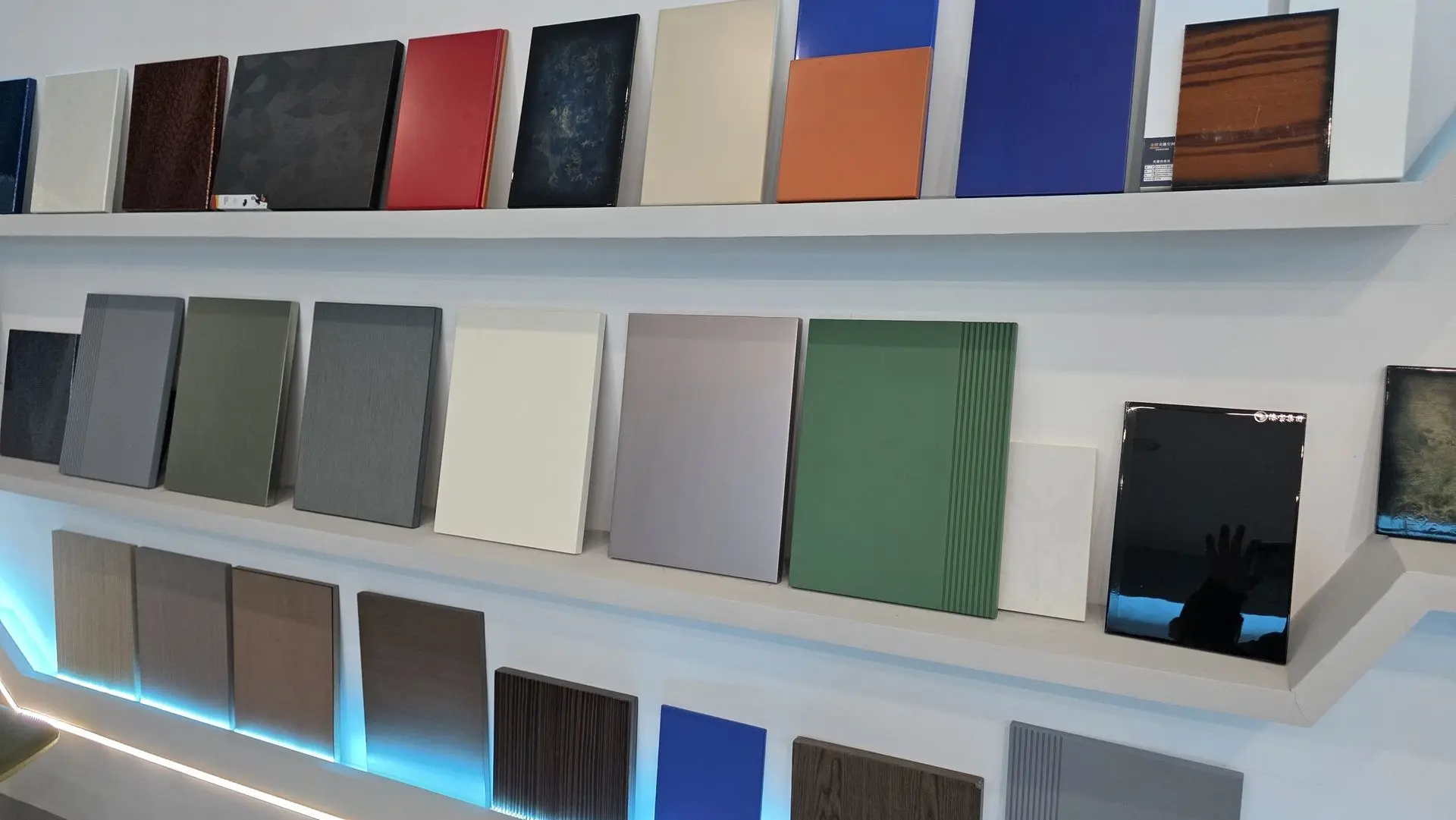
What Are the Biggest Challenges of Materials Procurement from China?
Issues are supplier verification, consistent quality control, specification communication, shipping schedules, import laws, and unexpected costs. These risks can be minimized by carefully screening suppliers and recording all significant purchase decisions.
1. Finding Reliable Suppliers and Manufacturers
A professional site and a beautiful quotation do not equal experience or production capacity for a project. Some suppliers are not factories but are trading companies, and it is possible that either of these is appropriate for your product and order.
Firstly, verify business credentials, product experience, references, production capabilities, and relevant quality certifications. If you are ordering in bulk, you might want to go to the factory or an independent verification service.
If, for instance, a supplier says they will make hundreds of custom doors in a short time, check their production capacity and inquire about how they handle quality control and delivery times.
2. Maintaining Consistent Product Quality
There can be variations in product quality from one sample to mass production. When installing products throughout a large building, small color, size, material, hardware or finishing variations can cause issues.
Give approval to a representative sample prior to production and record the exact specification. For a large order, schedule inspections at appropriate points such as production and prior to shipping.
A batch of bathroom tiles, for instance, might be consistent in a small sample, but you may see some differences in shade in a few cartons. With an appropriate inspection plan in place, inconsistencies can be detected prior to export from China.
- Expert Advice: Set quality standards and inspection criteria beforehand. Don't just take pictures or the supplier's word for it.
3. Managing Communication and Language Barriers
Buyers and suppliers may have different terms, different units of measurement, or different expectations, which can lead to misunderstandings. An ambiguous directive like "use premium materials" doesn't specify the grade, thickness, finish, or performance criterion.
Utilize written specifications, dimensioned drawings, product reference pictures, and clear approval documentation. Ensure critical requirements are documented and agreed with suppliers.
For example, rather than asking for a ‘waterproof bathroom cabinet,' you should ask for the type of board, surface finish, hardware, dimensions, and purpose. Next, establish if the supplier can meet those requirements.
4. Understanding Shipping Costs and Delivery Delays
International shipping is not just about transporting goods from a manufacturing facility to a port. There is also the possibility of having to include packaging, inland transport, freight, insurance, customs clearance, port charges and final delivery.
Your project schedule can be impacted by production delays, busy shipping times, customs, and incomplete documents.
When ordering furniture for a hotel opening, count back from the day it will be installed. Allow for manufacturing, inspections, shipping, customs clearance, and potential delays.
5. Meeting Import Regulations and Product Compliance Standards
Product specifications differ depending on the country of destination, the use of the product, and the type of material. Testing, labelling, certification, and/or documentation requirements may vary for electrical products, fire-rated doors, structural materials and bathroom fixtures.
Prior to ordering, determine which standards are applicable to your products and verify the requirements with the appropriate authority or competent compliance professional.
A commercial building, for instance, might have a lighting fixture that requires a particular electrical safety standard in the target market. A supplier's statement that a model is compliant with international requirements does not imply that the particular model is compliant with international requirements.
6. Avoiding Hidden Costs and Payment Risks
A quotation for a product might not include tooling, special packaging, inspection fees, storage, insurance, import duties, taxes, or final delivery. Without accounting for these costs, your project budget can rise out of the blue.
Ask for a detailed quote and specify when and how payment will be made, when refunds will be issued, production timeframes, and who is liable for any faults. Use a written contract for any orders that are large enough and confirm payment arrangements via a secure communication method.
Avoid approving a large order based on the unit price. Please check all cost and commercial terms before funds are transferred.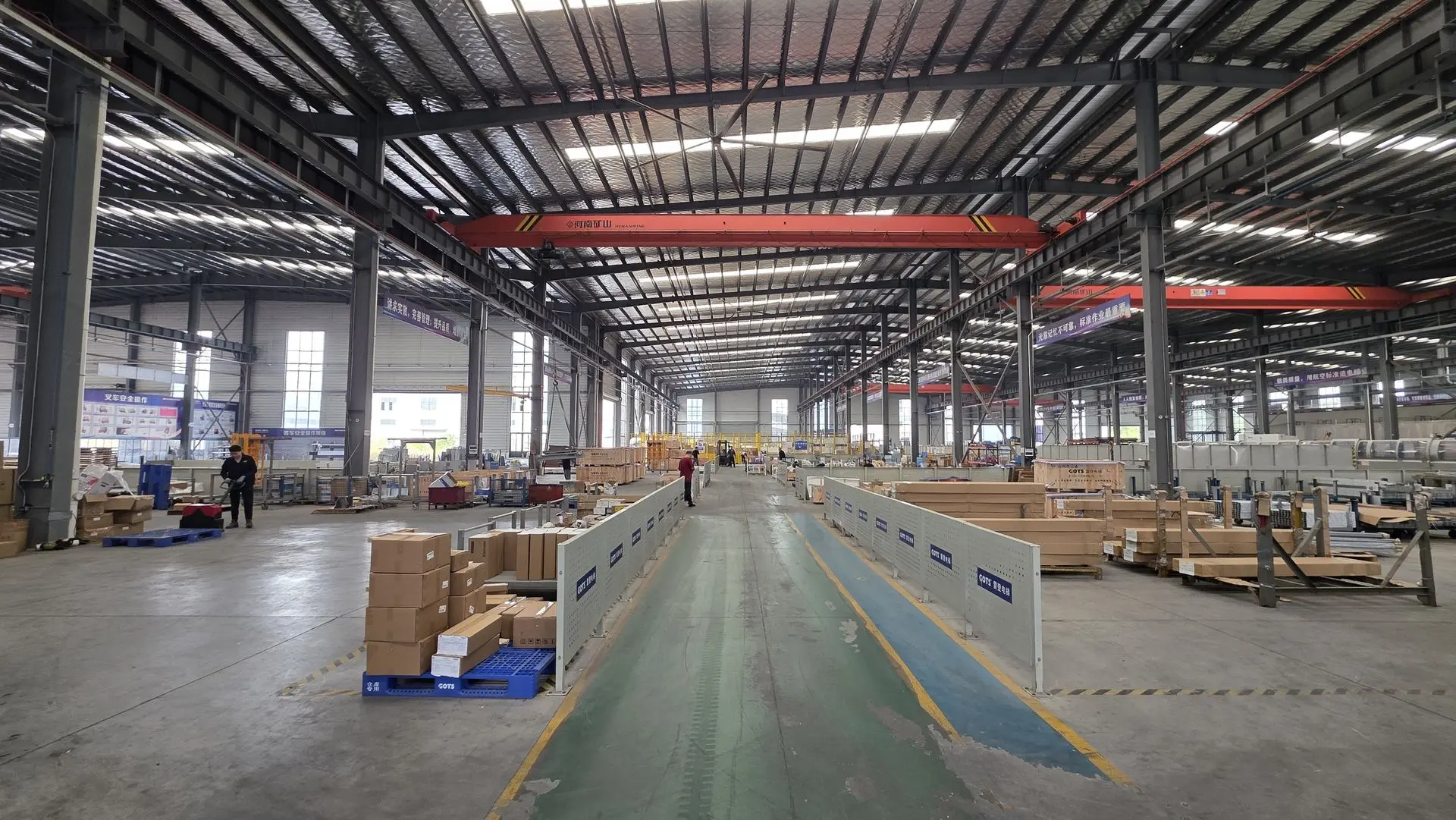
How Can You Manage Materials Procurement from China Successfully?
Establish a need, check suppliers, compare like quotes, approve samples, track production, and schedule delivery to manage procurement more effectively. There should be a clear decision point for each step to move to the next step.
1. Define Your Project Requirements and Budget
Start with a detailed procurement brief. Name product categories, quantities, dimensions, materials, finishes, technical specifications, quality expectations, delivery dates, and budget limits.
For instance, a developer ordering doors for an apartment project should include door dimensions, frame materials, finish, hardware, fire rating (if required), and installation conditions.
Having clear requirements helps suppliers to provide accurate quotations and minimize misunderstandings down the road.
2. Research and Shortlist Potential Suppliers
Find manufacturers that make the products required and can fulfill your order requirements. Check out their experience, production capacity and customization options, lead times, and communication quality.
Make a shortlist rather than selecting the first supplier that you come across. This will help you to see how much it costs and what you can get.
3. Verify Suppliers Before Placing an Order
Verify business registration (where available), factory capabilities, relevant certifications, references, and previous project experience. Consider independent verification for high-value orders.
Confirm the supplier's manufacturing capabilities, quality control procedures, and export documentation.
4. Request and Compare Detailed Quotations
Request all short-listed suppliers to quote the same product specification. Your comparison should contain:
- Unit prices and minimum order quantities.
- Materials, dimensions and finishes.
- Customization and tooling are charged.
- Packaging and production lead times.
- Conditions of payment and inspection.
- Shipping terms and not included.
Always compare suppliers using the table below.
Comparison Factor | Supplier A | Supplier B |
Unit Price | Record quotation | Record quotation |
Material and Finish | Confirm specifications. | Confirm specifications. |
Production Lead Time | Confirm in writing. | Confirm in writing. |
Quality Inspection | Check scope and cost. | Check scope and cost. |
Shipping Terms | Confirm Incoterm. | Confirm the Incoterm. |
Compliance Evidence | Verify documents. | Verify documents. |
Pick the supplier that is the best overall fit, not necessarily the cheapest.
5. Review Samples and Approve Specifications
Ask for samples if the project requires a particular appearance, finish, size or performance of the product. Compare the sample with your drawings and written requirements.
If you are looking at furniture made to order, check the color, finish, hardware, dimensions and build quality. Record the approved sample for your team to use as a reference when production inspections are conducted.
6. Negotiate Prices, Payment Terms, and Contracts
Before placing an order, discuss pricing, production time, quality control, packaging, warranties and payment milestones.
Order planning and product standardization can lead to a better price. Don't however, sacrifice necessary quality standards to get a lower quote.
Product specification, inspection, delivery obligations, and what to do if goods don't meet the agreed specification should be clearly stated in your contract.
7. Monitor Production and Conduct Quality Inspections
Ask for regular progress reports at agreed milestones. Typical inspections include raw material, production quality, dimensions, finishing, packaging and final quantities, depending on the product and order size.
A pre-shipment inspection is a chance to spot issues before the products are shipped from the supplier. Determine how the supplier will fix the defect and who will pay for any costs.
8. Coordinate Shipping, Customs, and Final Delivery
Choose a shipping method based on your order size, budget, urgency, and product requirements. Sea freight can be appropriate for larger and heavier orders while air freight can be appropriate for urgent shipments.
Check the correct Incoterms, export documents, insurance, customs and final delivery. Allow sufficient time in the project schedule for transport and clearance.
A hotel, for instance, might need to transport a massive furniture order by sea freight, package it for protection, consolidate it for shipping, and schedule it to coincide with the hotel's installation process.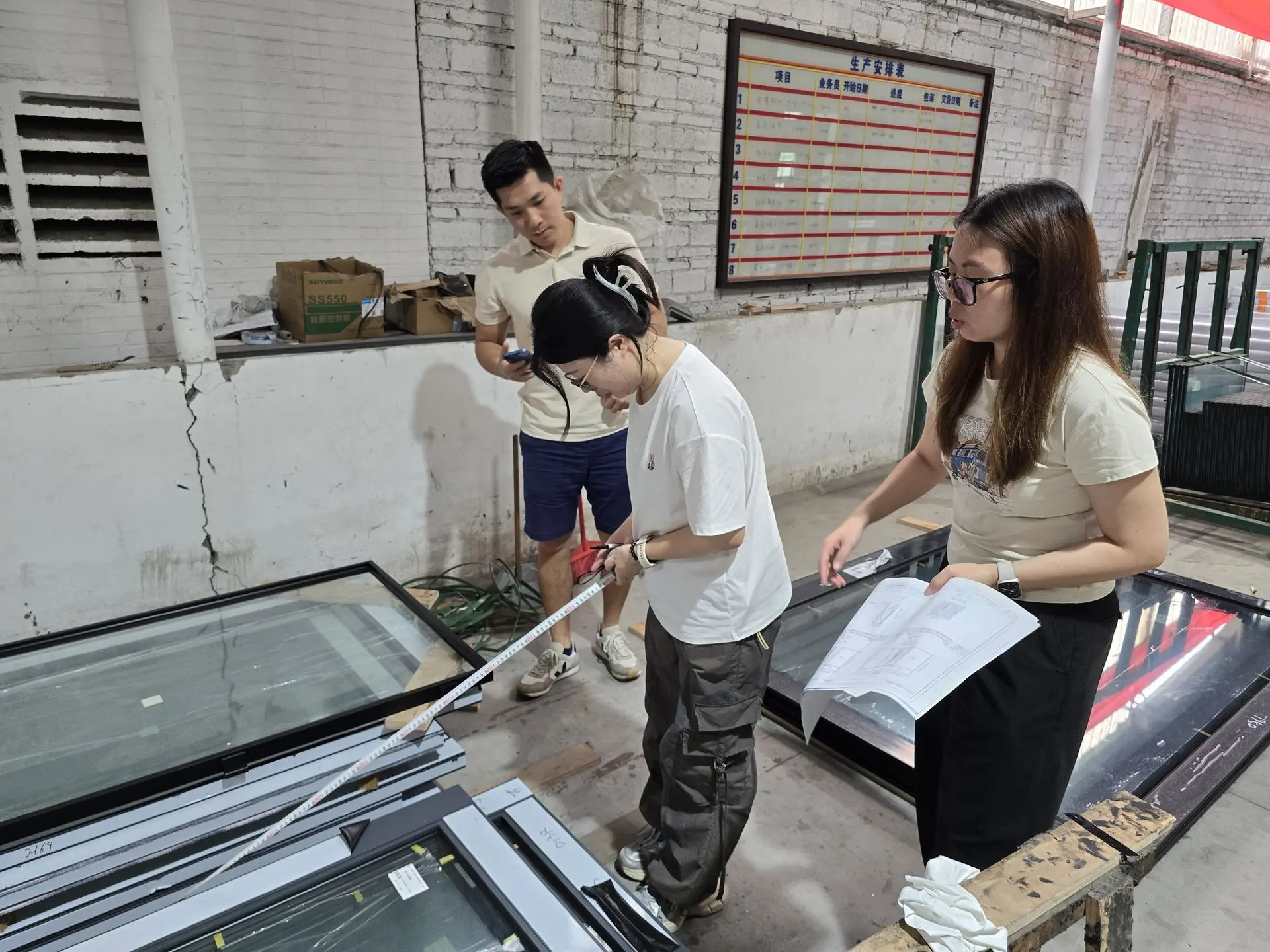
How Can You Calculate the Total Cost of Materials Procurement from China?
The total landed cost is the sum of the product price and the transportation, insurance, inspection, handling, customs, taxes, and delivery charges. This will provide you with a more realistic idea of the cost of the goods when they arrive at your desired destination.
What Costs Should You Include in Your Procurement Budget?
Your budget can include:
- Product manufacturing and customization.
- Tooling, packaging and labelling.
- Supplier verification and quality inspections.
- Inland transport and warehousing.
- International freight and insurance.
- Import taxes, customs and clearance fees.
- Final delivery and installation (if applicable).
For instance, if the product order is $10,000. The freight and insurance is $1,500, inspection and handling is $500, and duties and taxes are $1,000. The landed cost is estimated at $13,000 (not including any other costs not mentioned).
This is just an example of calculating. Actual costs will be based on the products, destination, shipment terms, customs classification, and tax rules.
How Can You Reduce Procurement Costs Without Compromising Quality?
Do more than ask for lower prices—focus on reducing avoidable costs.
Thoroughly check and compare equivalent quotations, standardize product specifications as far as possible, carefully plan order quantities and coordinate compatible shipments. Another way to prevent rework is to approve samples and inspect products before they are shipped, which will help lower the costs of rework.
Inquire with suppliers for the reasons behind the price difference and what is included in each quote. With a clear comparison, you'll be able to see where you can save without compromising on product quality or compliance.
Should You Manage Procurement Yourself or Hire a China Sourcing Agent?
Self-managed procurement can be effective if you have experienced staff, developed supplier relationships, and have time available to coordinate procurement. When you need local supplier research, multiple product categories, factory coordination or assistance with quality control and shipping, a sourcing agent can offer more value.
Factor | Manage It Yourself | Work With a Sourcing Agent |
Supplier Research | Your team takes care of the process. | The agent assists in identifying and assessing suppliers. |
Negotiations | You communicate directly. | The agent can assist with local negotiations. |
Quality Control | You arrange inspections. | The agent can arrange for inspection services. |
Multiple Orders | Each supplier is managed by you. | The agent can centralize coordination, making it easier to manage. |
Fees | Internal staff and travel expenses | Service fees and any agreed expenses. |
When Does a Sourcing Agent Make Sense?
A sourcing agent can be helpful if you don't have contacts in the area, you require special products, you have several suppliers, and you are unable to visit factories yourself.
But still, it is important to check out the agent's experience, service fees, inspection process, supplier relationships, and reporting methods. Explain if the agent is paid commission by suppliers and how it deals with possible conflicts of interest.
How Does Guangzhou Sourcing Support International Buyers?
Guangzhou Sourcing is a sourcing and procurement service provider for international buyers in the sourcing of building materials, furniture, lighting and other interior fit-out products. From supplier research and quotation comparisons to order coordination, quality checks and logistics planning, we support the process.
We can assist you in coordinating orders for a variety of product types and make your project needs more transparent. We can also arrange samples, supplier follow-up, shipment consolidation and delivery as per your requirements.
- For instance, when you are furnishing a villa or hotel, we can assist you in coordinating the various product requirements and in a more organized procurement process, manage supplier communication.
What Are the Best Practices for Long-Term Procurement Success?
Regularly assessing suppliers, maintaining accurate records, setting realistic timelines, establishing quality standards, and conducting performance reviews are essential for long-term procurement success. These practices will help you enhance future orders and prevent repeating expensive mistakes.
Build Long-Term Relationships with Reliable Suppliers
Monitor supplier product quality, delivery performance, communication and problem response on a supplier-by-supplier basis. As your purchasing requirements increase, reliable suppliers can prove to be great partners.
However, regularly check performance and have alternative suppliers for key products where possible.
Maintain Written Specifications and Procurement Records
Store quotations, contracts, approved samples, drawings, inspection reports, invoices and shipping documents in a single, organized system.
These records will assist your team in resolving any disagreements, reordering the same products, and comparing supplier performance over time.
Plan Ahead for Production and Shipping
Make sure to begin procurement early enough to accommodate product customization, sample approval, product manufacturing, inspection and international shipping.
When renovating a hotel, schedule deliveries to align with the construction schedule. Late deliveries can lead to delays in installation and opening schedules, and early deliveries can result in storage expenses.
Establish Clear Quality and Compliance Requirements
Establish quality standards that can be measured prior to ordering. Look for specific requirements for your destination and product category; don't just take supplier claims on faith.
If the product has particular safety or performance needs, ensure that supporting documentation is for the precise model you are considering purchasing.
Use a Centralized Process for Multi-Supplier Projects
Maintain all product details, supplier details, order status, inspection results and delivery schedules in a common tracking system.
A developer buying tiles, furniture, lighting and bathroom fixtures can for instance keep one project timeline and keep track of each category separately. This helps to identify delays and outstanding approvals.
Conclusion: Make Materials Procurement from China More Efficient
The key to successful materials procurement from China is to have clear specifications, choose the right suppliers, budget realistically, and conduct quality control. While it is possible to get a wide range of products and options from Chinese manufacturers, it is crucial to navigate shipping, compliance, and communication to safeguard your project timeline and budget. A structured process allows you to fairly compare suppliers, eliminate unnecessary costs, and make informed purchasing decisions.
At Guangzhou Sourcing, we support international buyers with supplier sourcing, building materials procurement, quality inspections, and logistics for residential, commercial, and hospitality projects. Contact us and talk about your project requirements and how we can help you in your China procurement process.
Frequently Asked Questions About Materials Procurement from China
1. What is the best way to start materials procurement from China?
Begin by establishing your product requirements, volume, budget, and delivery time. After that, select appropriate suppliers, check their capacity, compare detailed quotations and approve samples before making a big order.
2. Is material procurement from China cost-effective?
It can be cost-effective if the suppliers are able to provide competitive pricing and quality that meets your needs. Freight, insurance, inspections, duties, taxes, and other appropriate costs must, however, be added to the total cost when comparing the total cost with local purchasing options.
3. How do I find reliable building materials suppliers in China?
Verify business credentials, manufacturing capabilities, product experience, reference, and relevant certifications. Ask for samples and if necessary, have them independently tested in the factory for large orders. You shouldn't judge a website by its reviews or price.
4. How can I ensure quality when sourcing materials from China?
Develop clear specifications, approve samples, establish acceptable quality standards and schedule inspections as necessary for product and order quantities. Verify important requirements prior to shipping and fix any faults before signing off on shipping.
5. Should I hire a sourcing agent for a small order?
Not always. If you're able to confirm the supplier and handle the shipping, a small, simple order might not be worth an agent's fees. But an agent can still assist if the product needs customization, special inspections or complicated supplier coordination.
6. How long does materials procurement from China take?
The time frame will vary according to product availability, customization, quantity of orders, factory capacity, inspection, shipment and customs clearance. Custom furniture or building materials might be slower than standard products. Request suppliers to provide a production schedule and add extra time to your delivery schedule.
7. What documents do I need to import materials from China?
A commercial invoice, packing list, transport document, certificate of origin, customs declaration and product specific compliance documents may be required depending on the product and destination. Your customs broker or appropriate authority will be able to tell you what the requirements are for your shipment.