
If you are thinking of a construction project, a hospitality project, or a commercial or outdoor project, you might have seen both canopies and awnings. They may appear alike, but they're not necessarily used for the same purpose. Knowing the difference can help you to select the correct product before you begin to compare Chinese suppliers.
Whether it's a fixed entrance canopy, a retracting patio awning or a custom architectural shade system, China has a vast selection of outdoor shade products available. But finding a factory with a low quotation is not enough to be successful in sourcing. Specifications, a good supplier, materials, quality control, and shipping plan are required.
What are Canopies and Awnings?
The difference between canopies and awnings is primarily structural, installation, coverage and use. A canopy is typically a freestanding structure, or one attached to a building, while an awning is typically a structure that hangs over a designated area, usually from a building, like a window, door, patio or storefront.
In the outdoor-shading market, the terms are sometimes interchangeable, so always check the product's design and specifications, and not just its name.
A fixed canopy can be used, for instance, to cover a hotel entrance from the rain as people enter the building. A retractable awning can be set over a restaurant's outdoor dining area to allow staff to increase or decrease the amount of shade throughout the day.
What Is a Canopy?
A canopy typically forms a covered space over people, vehicles, walkways, an entrance or an outdoor space. It can either be attached to a building or have its own structure.
Canopies are available in materials like aluminum, steel, polycarbonate, glass, and outdoor fabrics. The choice of material will vary based on the specific requirements of the project, such as the desired appearance, durability, and budget.
Typical canopy uses are
- Building entrances
- Walkways at hotels and resorts.
- Restaurant terraces
- Parking areas
- Outdoor seating
- Residential patios
- Commercial entrances
- Architectural shade structures
When a larger area or a defined area is required, a canopy may be a sensible option.
For example, a shopping center with a pedestrian entry. The walkway can be covered by a structured canopy, providing shelter for the visitors from the sun and rain while approaching the building.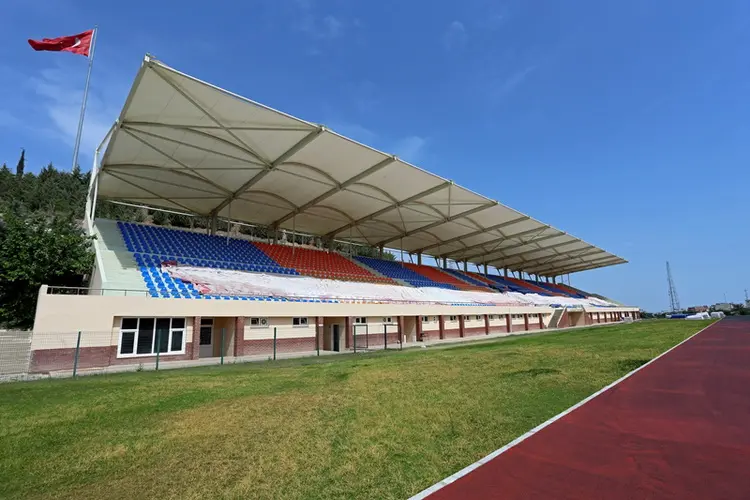
What Is an Awning?
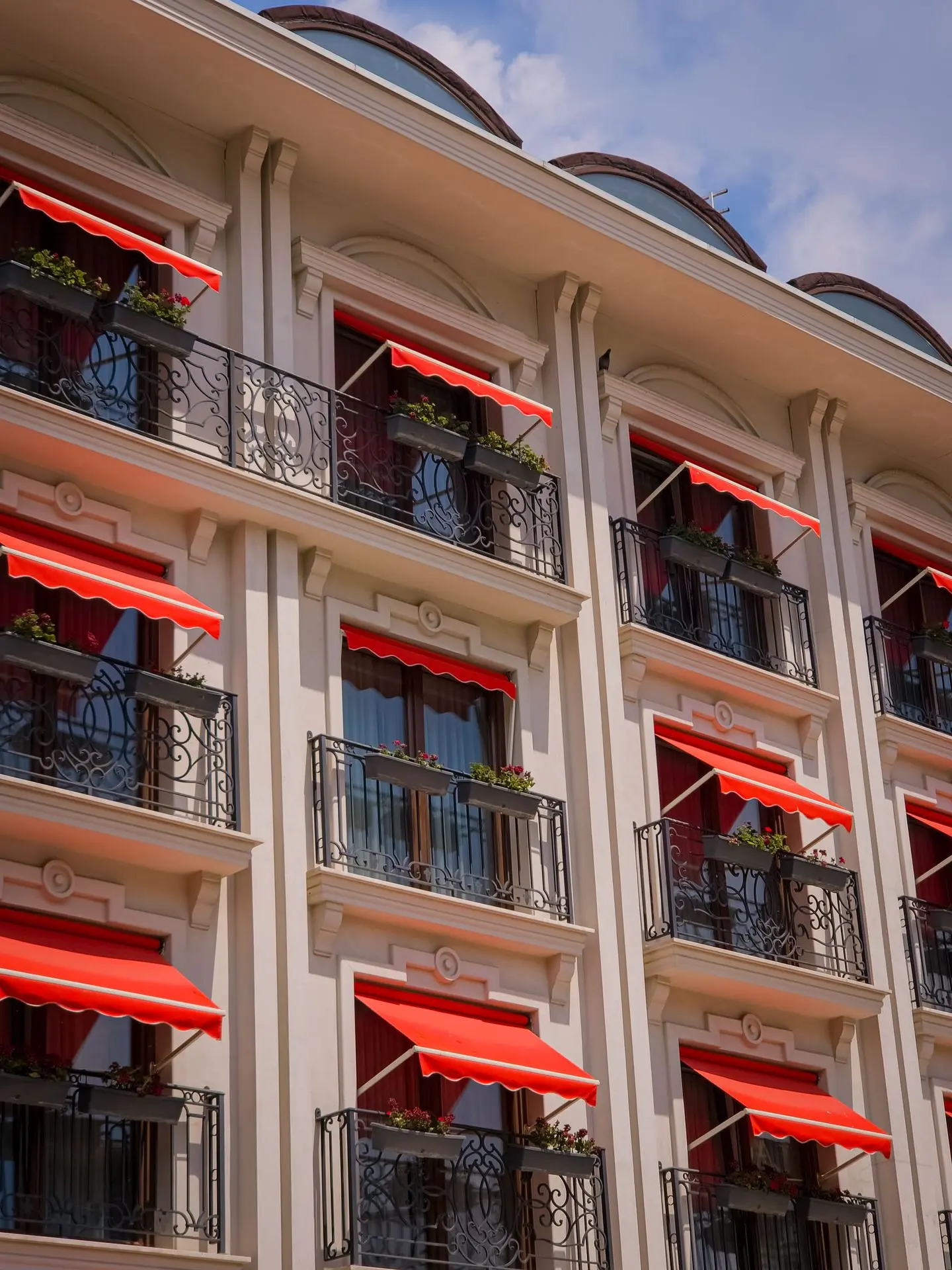
An awning typically is built onto a building and projects outwards to shade or protect a specific space. Fixed and retractable designs, manual and motorized, are available.
Awnings commonly cover:
Retractable awnings are more controllable, as they can be extended for shade and retracted to allow more sunshine and open space.
- For instance, a cafe could have a motorized retractable awning over their outside seating areas. The staff can stretch it out when the sun is shining brightly and pull it back when customers wish to have an open view.
Canopies vs. Awnings: What Is the Difference?
The simplest method of understanding the distinction is to compare the way each product functions and the places you usually use it.
Feature | Canopies | Awnings |
Basic purpose | Cover and protect an outdoor site of known dimensions. | Shade and protect the area adjacent to the building. |
Structure | Can stand alone or be fixed to a building | Typically, it affixes itself to a structure. |
Coverage | Usually covers larger or more open areas | Typically spans a window, door, or patio |
Typical applications | Entrances, walkways, parking areas, patios, commercial spaces | Windows, doors, balconies, storefronts, patios |
Operation | Generally stationary, but some designs permit movement. | Fixed or retractable |
Materials | Aluminum, steel, fabric, polycarbonate, glass, etc. | Fabric, aluminum, steel, and other materials |
Customization | Size, structure, shape, roof/cover material, and finish | Size, fabric, frame, color, mechanism, and controls |
Best fit | Bigger coverage and architecture uses | Shade and weather protection for buildings. |
Simply put, a canopy typically is about a structure that can be covered, while an awning typically is about extending shade or protection from a building. The choice depends upon your project requirements.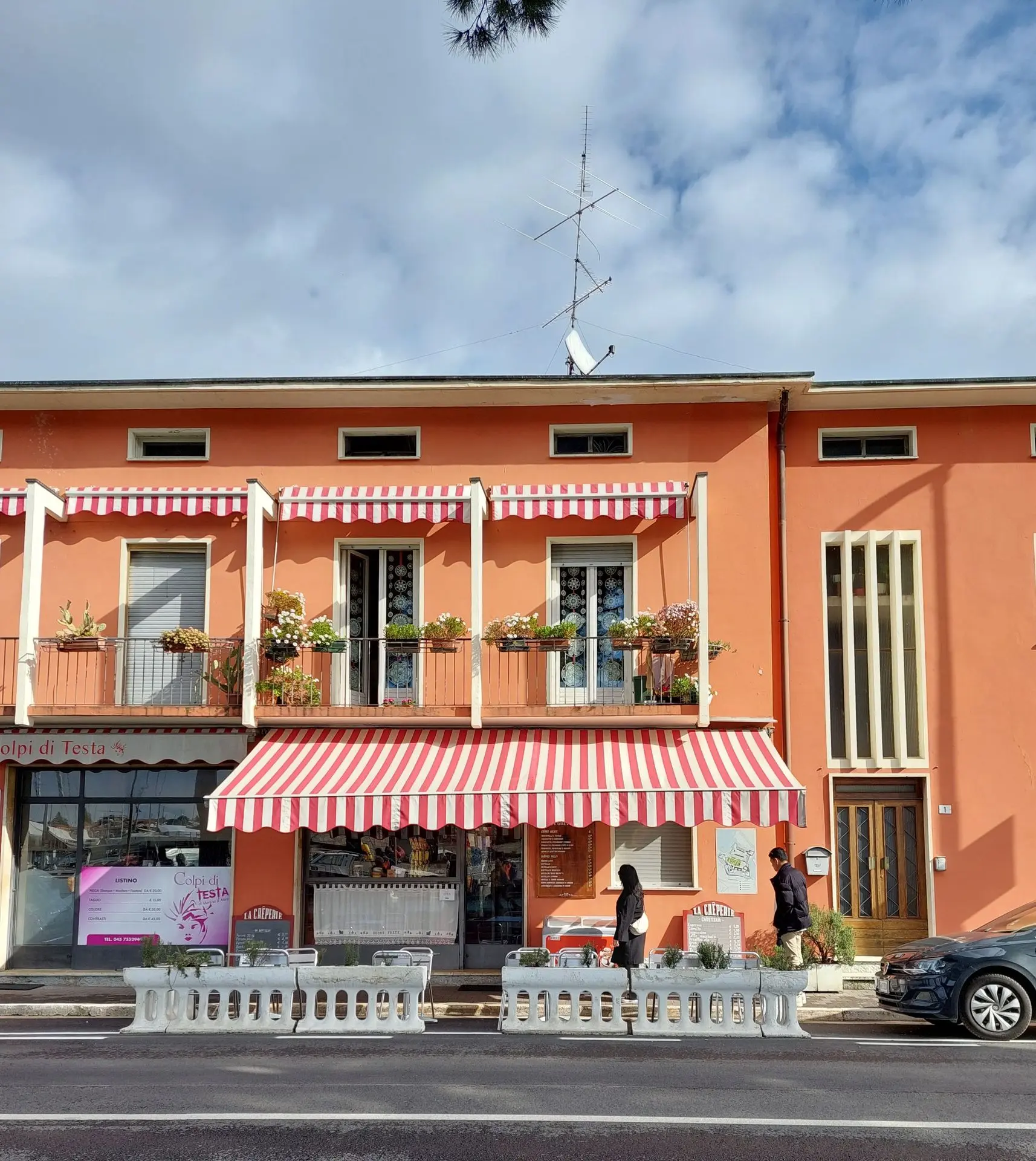
- Note: These terms can be used differently by manufacturers and buyers. One supplier may refer to a specific architectural shade system as an awning, and another supplier may refer to a similar product as a canopy. For this reason, always include drawings, dimensions, materials required and photos when requesting a quotation.
Why Source Canopies and Awnings from China?
China offers international buyers access to a large manufacturing base, offering many product configurations, material, customization options, and export capabilities. The biggest benefit is the ability to compare the appropriate manufacturers and find the right one to fit your technical and commercial needs.
If you are looking for a simple solution, you can obtain standard products. When your project requires something more specific, you can also request custom sizes, colors, finishes, fabrics, frames, branding and operating systems.
China's manufacturing ecosystem also has many related components. This can simplify procurement if your project involves multiple outdoor or building products from various vendors.
But don't think of China sourcing as a price-shopping activity. A low quotation may not be as advantageous if the supplier is unable to provide a consistent supply of quality, fails to meet the production schedule, provides inappropriate materials or causes issues during installation.
A more effective way to compare is to look at overall value, which includes product quality, supplier reliability, lead time, compliance, packaging, shipping, and after-sales support.
What Types of Canopies and Awnings Can You Source from China?
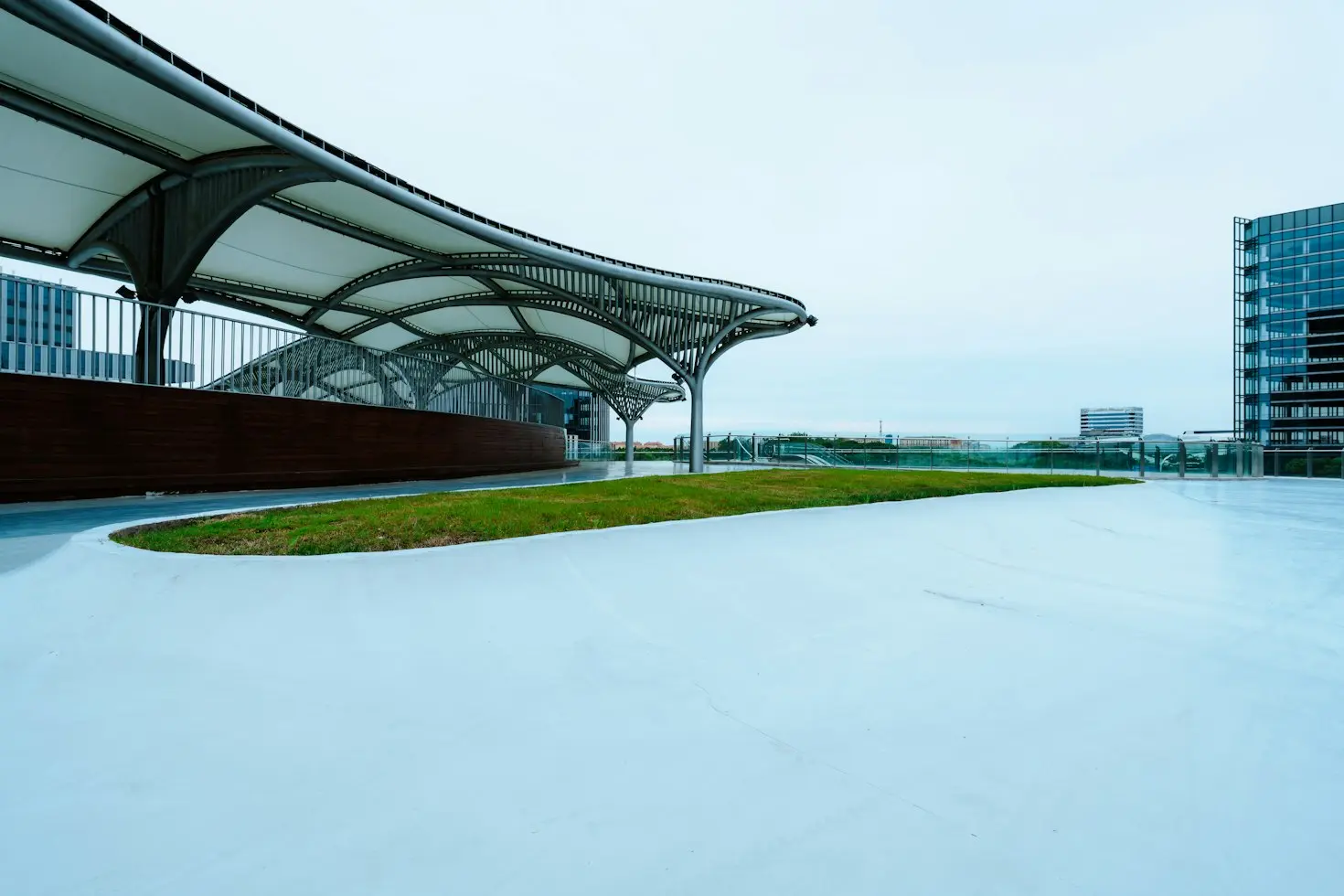
There are several types of canopies and awnings made by Chinese manufacturers, and it is important to select the product based on the location, coverage area, aesthetic appeal, and operational requirements of your project.
Explore Our Canopy, Awning and Pergola Catalogs
Browse our collection of product catalogues covering awnings, pergolas, outdoor umbrellas, parasols, zip screens and related outdoor shading solutions.
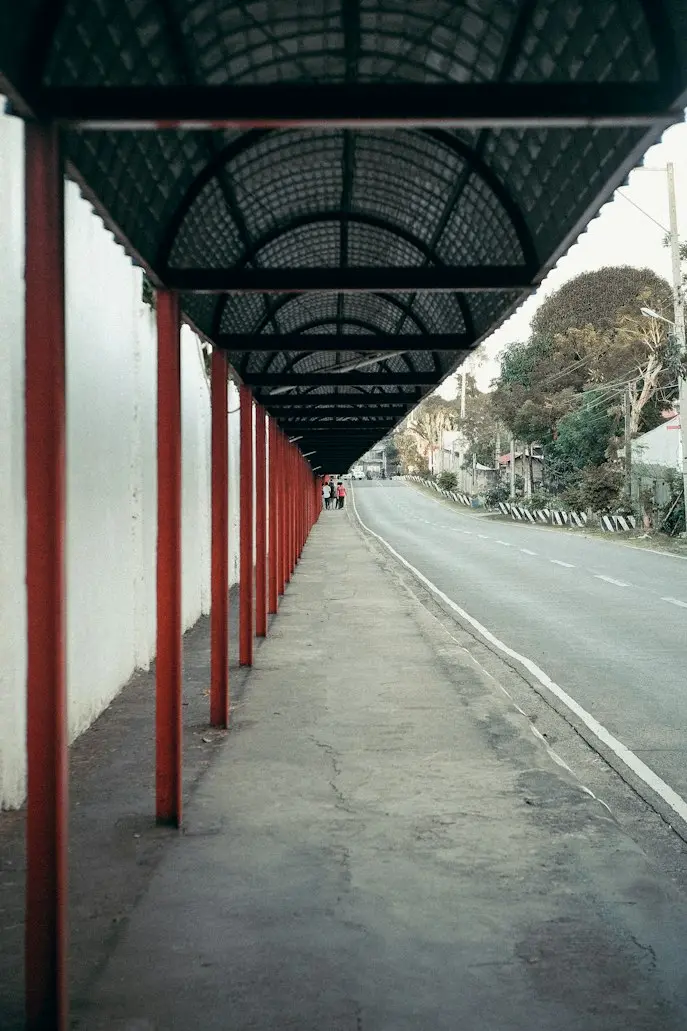
Fixed Canopies
Fixed canopies offer a long-term solution and are suitable for areas such as entrances, walkways, patios, and commercial areas.
The frame material, size, roof or covering material, color and finish can be determined by the project.
For instance, a hotel might require a fixed entrance canopy that compliments the hotel façade. If it is, then the appearance is as significant as the weather protection.
Retractable Awnings
Retractable awnings can give you the option of how much shade you need.
You can choose:
- Manual operation
- Motorized operation
- Remote controls
- Different fabric colors
- Different projection lengths
- Custom widths
For a restaurant, retractable awnings might be a better choice, as the business can adjust the amount of space covered during the day.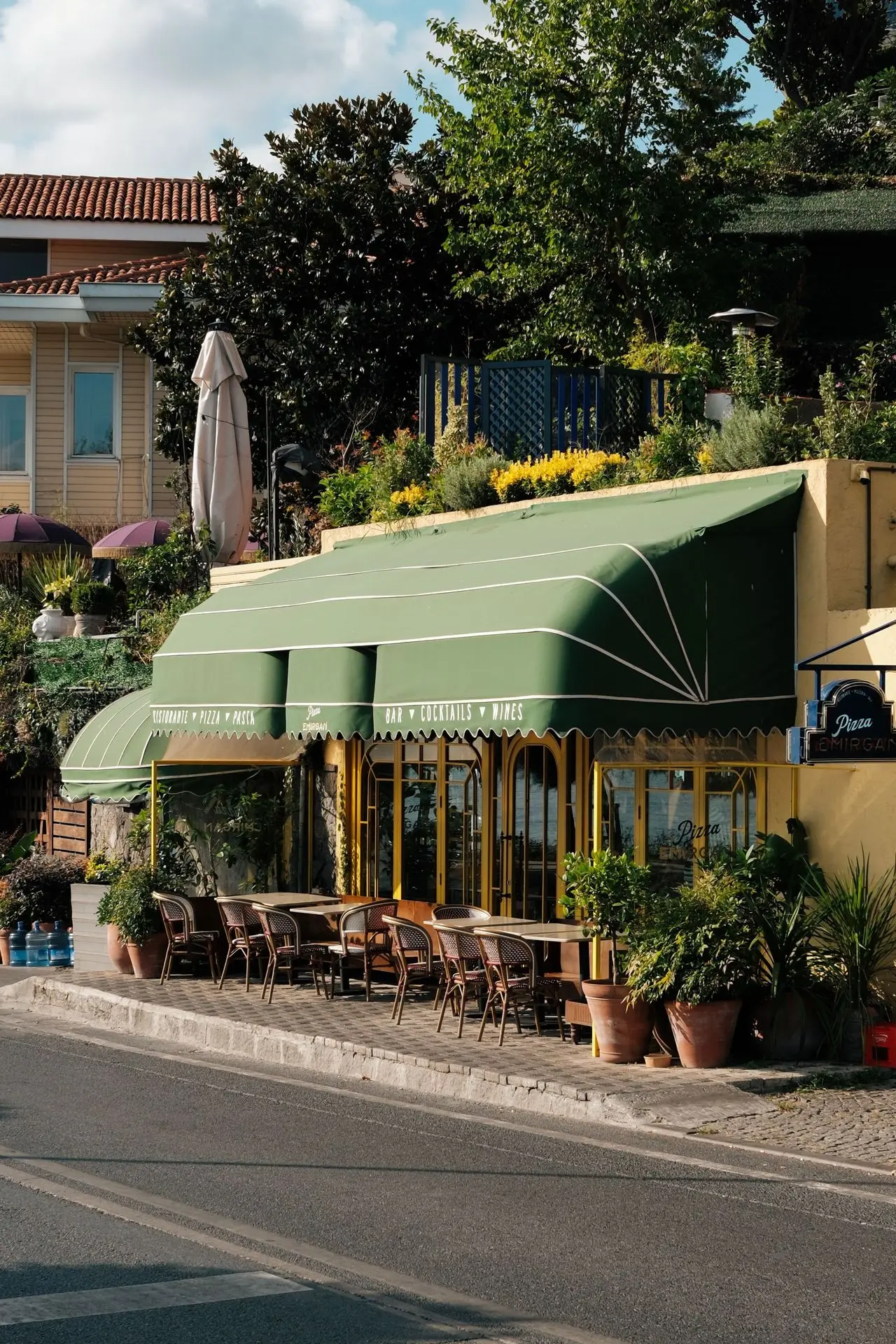
Aluminum Canopies and Awnings
Aluminum is a popular choice for projects that need a strong and relatively light frame.
Suppliers can be queried regarding:
- Aluminum alloy
- Frame thickness
- Powder coating
- Surface finish
- Color
- Connection details
- Corrosion resistance
Never assume that an aluminum product is only as good as it looks. Specify exactly what material and finish are required.
Fabric Canopies and Awnings
Fabric systems provide more flexibility in terms of appearance and are especially suited for patios, restaurants, hotels and retail applications.
When comparing fabrics, consider:
- UV resistance
- Water resistance
- Colorfastness
- Fabric weight
- Cleaning requirements
- Fire performance as necessary
It is important to note that the choice of fabric specification for a commercial project should be based on the climate and local requirements and not just on color or cost.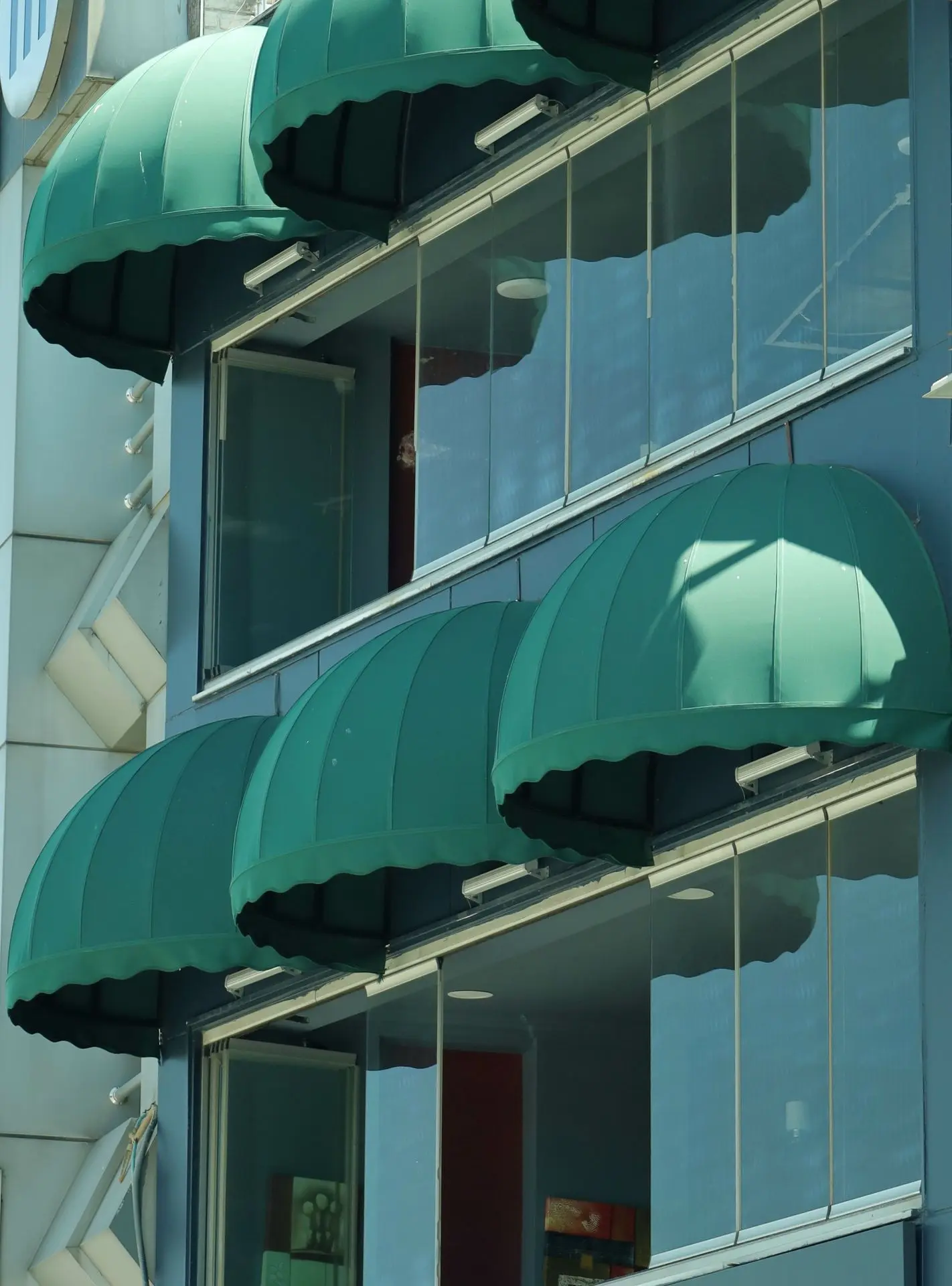
How Do You Choose the Right Canopy or Awning for Your Project?
Know the application, available space, weather conditions and technical requirements before choosing a product. If the building is not able to accommodate the conditions of the site, or if the system is not sufficiently extensive, a beautiful awning will not be suitable.
Ask Yourself:
- Where is the product going to be installed?
- What is the area to be covered?
- Are you looking for a permanent or an adjustable solution?
- Will the product be subjected to strong winds, heavy rain, intense sunlight or coastal conditions?
- Is manual or motorized operation needed?
- What materials and finishes are needed for your project?
- Are there particular certifications or documents required in your country?
- Have architectural plans or technical specifications?
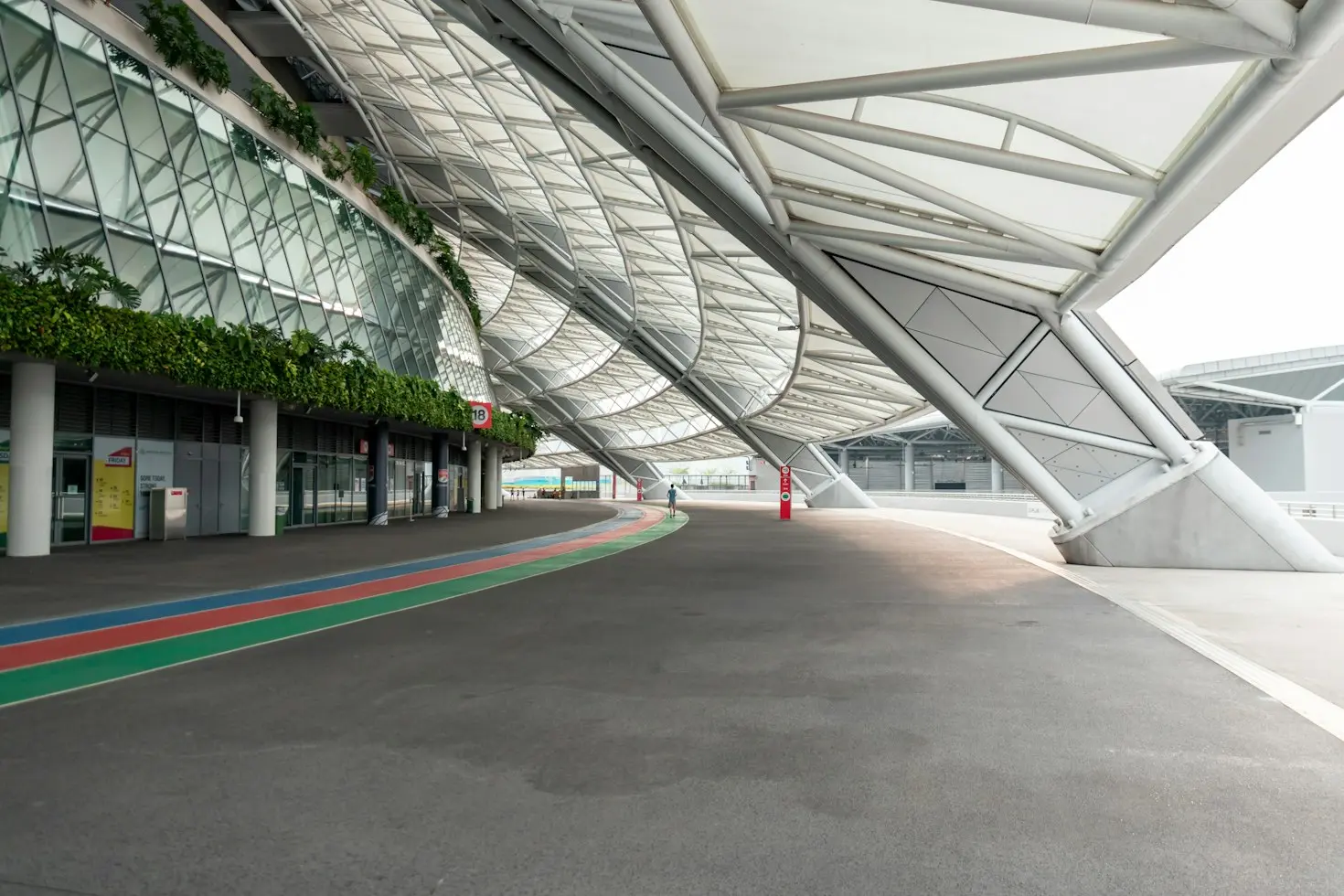
For instance, if you are looking for shade over an outdoor restaurant at a hotel, a retractable awning can provide you with greater flexibility. A structured canopy may be a better option if you are looking for a covered walkway between two buildings that will last for an extended period.
What Should You Look for in a China Canopy and Awning Supplier?
Choose a supplier based on manufacturing capability, product quality, customization, export experience, documentation, and communication—not just the lowest price.
Manufacturing Experience
Inquire about the length of time that the factory has been making similar items and if they regularly work on projects such as yours.
A small supplier of awnings for residential use may not be able to do the same as a larger manufacturer that specializes in commercial awnings.
Product and Material Quality
Look for details rather than vague terms like “high quality aluminum” or “premium fabric.”
Ask for information on the material, thickness, finish, parts, and performance if applicable.
Customization Capability
When ordering, if your project needs a special size, color, fabric, frame, logo or operating system, make sure the factory can manufacture them.
Export Experience
A factory can manufacture a good product but still face difficulties in exporting. Inquire about export markets, packaging, documents, and experience with your target country.
Certifications and Compliance
Always verify the standards and certifications that pertain to your product and target market. Requirements may differ from product to product, from installation to installation, country to country, and use to use.
Don't assume that a certificate includes all the models that a factory sells. Request verification of documentation that corresponds to the actual product and market.
Quality Control Procedures
Inquire about the supplier's inspection of materials, production, assembly, operation and packaging.
If the awning is motorized, the inspection should focus not just on the visual aspects but also on the operating system as well.
What Specifications Should You Give Chinese Suppliers?
Provide a detailed specification sheet to suppliers before asking for quotes so that each factory is quoting on the same product.
Your specification should contain:
- Product type
- Width and projection
- Overall dimensions
- Required quantity
- Frame mat erial
- Fabric type
- Fabric color
- Color and finish of frame
- Fixed or retractable design.
- Hand- or machine-powered operation.
- The requirements for motor and control.
- Accessories
- Installation requirements
- Packaging requirements
- Destination country
- Required certifications
- Drawings or technical files
This can simplify the supplier comparison process.
Example: Rather than inquiring about the price of a retractable awning, provide the supplier with the width, projection, type of fabric, finish of the frame, motor specifications, quantity, packaging requirements and destination. The factory can then make a quotation according to the same requirement.
How Do You Compare Canopy and Awning Suppliers in China?
Don't just select the supplier with the lowest per unit price; review the entire offer. The lowest bid can become the most expensive once quality issues, packaging changes, delays, replacement costs or shipping issues are added.
Factor | What to Check |
Product specification | Does the quotation match your requirements? |
Material | Does the supplier indicate the material and grade? |
Customization | Is the factory able to create your desired design? |
Is the minimum order appropriate for your project? | |
Price | Does the quotation cover the same scope as the other quotations? |
Lead time | Can the factory meet your project schedule? |
Quality control | What checks does the supplier carry out? |
Certification | Is the documentation relevant to your market and product? |
Packaging | Will the packaging hold up the items during transit? |
Shipping terms | Who is responsible for each aspect of transport and export? |
You can easily score suppliers consistently using a simple spreadsheet. Prioritize the factors that are most important to your project, like structural performance, delivery time or compliance.
Why Does Quality Control Matter When Sourcing Canopies and Awnings?
Quality control is a process that will ensure you that the factory is working on the specifications you have accepted before the products leave China. It can minimize the risk of finding inaccurate dimensions, substandard finishes, missing parts or other problems once the shipment arrives in your country.
Some helpful questions to ask are
- Material verification
- Dimensions
- Frame construction
- Fabric quality
- Surface finish
- Hardware
- Motorized components
- Assembly
- Product operation
- Quantity
- Labels
- Cartons
- Packing
- Export loading
When it comes to retractable systems, operating checks are important. The inspector should ensure that the system retracts and extends as intended and that the parts are in accordance with the approved specification.
Production monitoring and quality inspections are available at Guangzhou Sourcing to assist clients to verify their orders against agreed requirements prior to shipment. We also have a supplier evaluation and due diligence process to minimize procurement risks.
How Do You Ship Canopies and Awnings from China?
Select shipping based on volume, size, delivery time and overall logistics expenditures. Both FCL and LCL can be effective, depending on the circumstances of the shipment.
FCL vs. LCL Shipping
Shipping Method | Best For | Main Advantage |
Bigger loads that will fill a container | You use the container for your shipment. | |
LCL | Less-than-container shipments. | You are sharing space in the container with other cargo. |
Long frames, fabric parts, motors, brackets and other parts can be used in canopies and awnings. So, good packaging and careful loading can be as important as the shipping method.
Packaging and Container Loading
Inquire with the supplier about how it protects:
- The aluminum frames are completely scratch-free.
- Fabric from moisture and dirt
- Glass or Fragile Parts (if any)
- Motors and controls
- Minor accessories and hardware for installation
Request a detailed packing list as well. If brackets or screws are missing, you could have unnecessary troubles once your goods arrive at the project site.
Shipping Terms
Be sure your quotation is clear about the agreed trade terms and who is responsible for which costs. Before placing an order, make sure you understand export charges, inland transportation, freight, insurance and destination costs.
When your procurement involves more than one supplier or shipment, our sourcing and logistics services can also help with warehousing, consolidation, FCL and LCL arrangements.
What Mistakes Should You Avoid When Sourcing Canopies and Awnings from China?
The most common sourcing pitfalls are often due to ambiguous specifications, inadequate supplier verification, substandard quality control, and insufficient logistics preparation.
Here are some common problems to avoid:
1. Choosing only by price
Look at the full offer, rather than one number.
2. Sending unclear specifications
When you are asking for a product name, you might get a totally different product from different suppliers.
3. Skipping supplier verification
Verify the legal identity, manufacturing capacity, experience and documentation of the factory.
4. Ignoring samples
Using a sample allows you to verify materials, colours, finishes, dimensions and workmanship before going into mass production.
5. Checking certificates too late
Know compliance requirements prior to production—not upon arrival of goods to destination.
6. Skipping pre-shipment inspection
A final inspection provides you the chance to solve the issues prior to departure of the cargo from China.
7. Forgetting packaging
Even if a product is in good shape when it leaves the factory, it can be damaged while in transit if the packaging is inadequate.
8. Leaving shipping responsibilities unclear
Record the person responsible for each logistics operation and cost.
How Can Guangzhou Sourcing Help You Source Canopies and Awnings?
From supplier research and due diligence, we can help to negotiate, control quality and compliance, and coordinate logistics. We want you to have more clarity in the China procurement process and to avoid unnecessary risks.
Our sourcing process can include:
- Knowing What You Need: We take into account your product specifications, quantities, drawings and project needs.
- Finding Suitable Suppliers: Instead of providing you with a random supplier list, we look for factories that meet your needs.
- Supplier Due Diligence: We assess the supplier's business background and manufacturing capability.
- Quotation Comparison: We analyze the suppliers' offers and explain the differences.
- Negotiation: Pricing, payment terms, trade terms, etc., and order conditions negotiated.
- Sample Coordination: When your project requires samples, we help coordinate them and approvals.
- Production Monitoring: We monitor the order in the production process and inform you of the key information.
- Quality Inspection: We carry out quality tests on the finished products, based on agreed requirements.
- Compliance Support: We help verify relevant certifications and requirements.
- Logistics Coordination: FCL, LCL, consolidation, warehousing and international shipping support are coordinated.
We cater for these stages and more as part of an overall China procurement process, providing a hub of coordination for buyers rather than dealing with each supplier and shipment individually.
Final Checklist for Sourcing Canopies and Awnings from China
Before ordering, consult this simple checklist:
- Decide on the need for a canopy, awning or other shading system.
- Make precise measurements and specifications.
- Determine materials and finishes.
- Verify fixed, retractable, manual or motorized operation.
- Determine the target-market needs.
- Shortlist suitable suppliers.
- Check the factory's capacity and export history.
- Compare detailed quotations.
- Review pertinent certifications and documents.
- Accept samples as and when suitable.
- Check payment and contract terms.
- Monitor production.
- Arrange quality inspection.
- Verify packing and loading.
- Select the appropriate shipping process.
- Maintain neatness of all products and shipping papers.
This checklist will help you take the first step from “I need an awning” to a clear procurement plan that suppliers are able to understand and quote accurately.
Final Thoughts: Sourcing Canopies and Awnings from China
You can find a variety of products and customization options when you source canopies and awnings from China, but it is important to handle the sourcing process carefully to achieve the desired outcome. Always begin with the application, know your requirements, compare appropriate suppliers and verify quality before shipping.
At Guangzhou Sourcing, we can help you to transform those requirements into a feasible China procurement process. When you need to find canopies and awnings suppliers, we can help you find appropriate suppliers, check manufacturers, compare quotations, arrange quality inspection, and arrange logistics from China to your country.
The right supplier shouldn't just have a good price. You need a manufacturing partner who has the insight to understand your specifications, is able to communicate with you, is able to meet your quality standards, and can produce and ship the order. With this attitude about sourcing, you will have a much greater chance of getting your project the right product, at the right quality and on the right schedule
FAQs
What is the difference between a canopy and an awning?
A canopy is typically constructed over a specific area and may be freestanding or affixed to a structure. An awning is usually attached to a building and projects over a window, door, patio, or storefront.
Can I source custom canopies and awnings from China?
Yes. Many of the customization options available with Chinese manufacturers include dimensions, materials, colors, finishes, fabrics, frames, branding, and operating systems. Your supplier must have detailed specifications to quote and manufacture the correct product.
How do I find reliable canopy and awning suppliers in China?
First consider manufacturing experience, product capability, export history, quality systems, certifications, samples, and communication. Supplier due diligence can assist you to discover factories that truly meet your needs.
What should I check before buying canopies and awnings from China?
Confirm product details, materials, size, operating system, surface treatment, certification, packaging, MOQ, lead time, payment terms and shipping terms. In larger projects, also take into account production monitoring and pre-shipment inspection.
How should I inspect canopies and awnings before shipment?
Inspect the products for conformance to the approved specification. Inspect dimensions, materials, finishes, workmanship, hardware, accessories, motors and controls, operation, quantity, labels, packaging, and shipping condition prior to approval of cargo.