
WPC ceiling systems are now the most popular choice for building and decorating projects. Architects, developers, and contractors are increasingly choosing these systems for their balance of appearance, durability, and cost control. As global demand continues to grow, China has established itself as one of the most important manufacturing bases for WPC ceiling products, supplying projects across residential, commercial, and hospitality sectors.
Sourcing WPC ceiling systems from China offers clear advantages, but you need to think carefully about your choices. Product quality can vary, suppliers operate at different standards, and technical details matter greatly for long-term performance. This guide explains how WPC ceiling systems are made, why China is a key sourcing destination, and how buyers can select reliable manufacturers, evaluate quality, and apply these systems successfully in real projects.
What exactly is WPC
WPC stands for Wood Plastic Composite. It is a material produced by combining wood fibers or wood powder with thermoplastics such as PVC, PE, or PP. During production, stabilizers, pigments, and bonding agents are added to improve performance and appearance.
The result is a ceiling material that delivers the visual warmth of wood while offering higher resistance to moisture, insects, and surface wear. Compared to traditional timber ceilings, WPC panels maintain their shape more consistently and perform better in areas with humidity or temperature variation.
WPC ceiling systems are manufactured through extrusion or molding processes, allowing precise control over panel profiles, thickness, and surface texture. This consistency is one of the reasons the material is widely used in large-scale projects.
Key Benefits of WPC Ceiling Systems
1. Low Maintenance Requirements
WPC ceiling panels require minimal care. A soft cloth or vacuum can get rid of dust, and a little soap and water can clean things up. You don't have to repaint, oil, or seal it, which helps keep maintenance costs low in the long run.
2. Moisture and Pest Resistance
Unlike solid wood, WPC does not absorb moisture easily. This means it can be used in kitchens, bathrooms, hallways, and covered outdoor areas. Insects can't get through it, which makes it last longer, especially in warm places.
3. Sustainable Material Choice
Many WPC ceiling products use recycled wood fibers and plastics. This helps resources be used more efficiently and makes WPC a responsible choice for projects that want to be more environmentally friendly.
4. Flexible Design Options
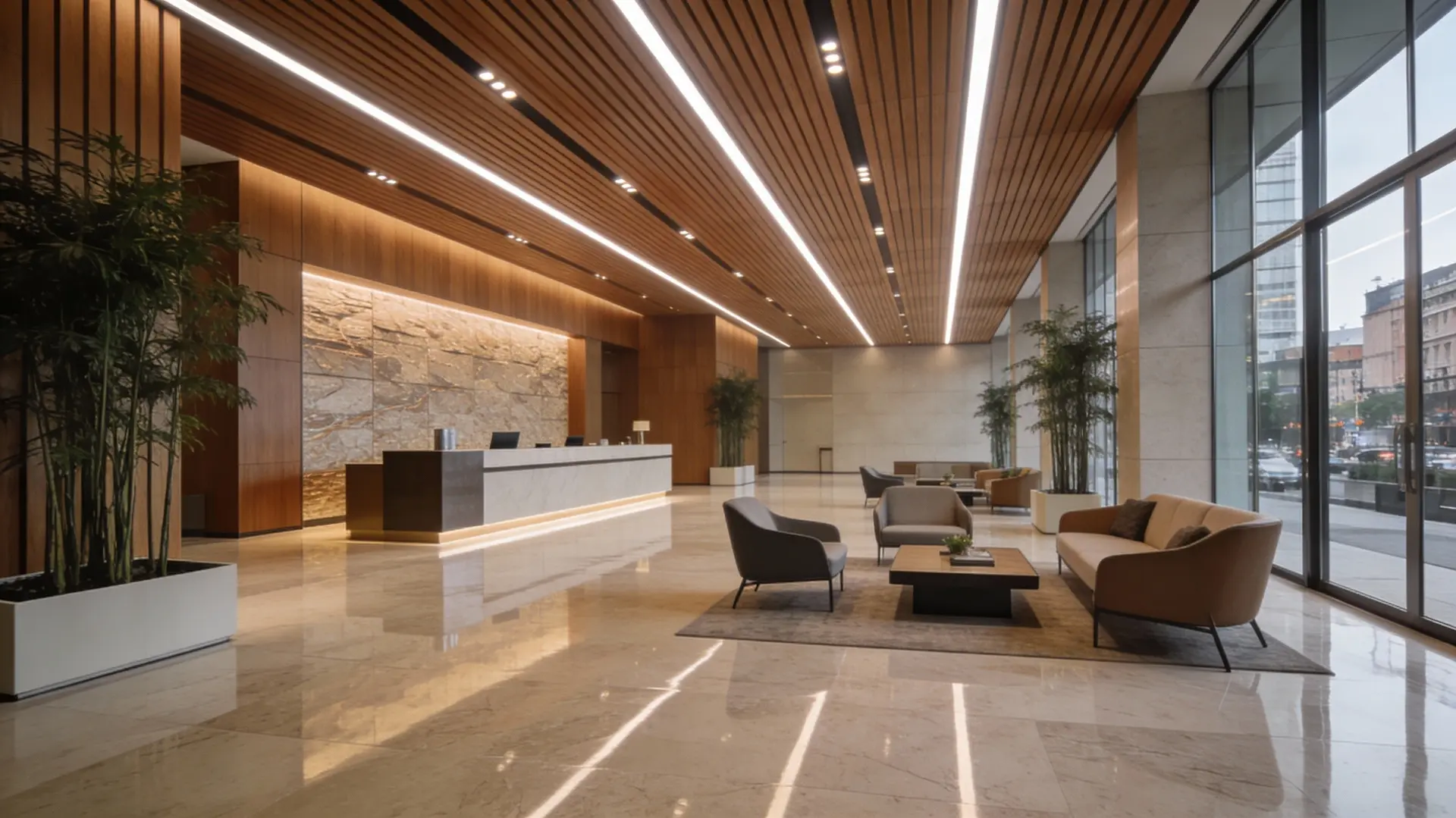
WPC ceiling systems are available in many colors, finishes, and profiles. Wood-grain textures, linear panels, slatted designs, and concealed fixing systems allow designers to achieve both classic and contemporary looks.
Why source WPC Ceiling Systems in China
China is the clear leader when it comes to scale and variety. This is why most of the world's WPC volume comes from here:
1. Cost Efficiency Through Scale
The sheer volume of production in provinces like Zhejiang and Guangdong allows for significant economies of scale. Even after accounting for shipping and duties, the landed cost of Chinese WPC often remains significantly lower than locally manufactured alternatives in Europe or North America.
2. Innovation and Variety
Chinese manufacturers produce a wide range of WPC ceiling panels, including:
- Solid and hollow panels
- Clip-in and concealed systems
- Fire-rated and moisture-resistant options
- Custom colors and surface textures
This variety allows buyers to match technical and design needs without switching suppliers.
3. Integrated Logistics
Major manufacturing clusters are situated near massive ports like Ningbo, Shanghai, and Shenzhen. This proximity means shorter lead times from the factory floor to the shipping container, streamlining the movement of goods across the globe.
Overview of the WPC Ceiling System Market in China
Industry Growth
The WPC ceiling sector in China continues to expand, driven by commercial development, hospitality construction, and renovation projects. Demand is supported by durability, visual consistency, and cost advantages compared to traditional ceiling materials.
Product Development
Manufacturers continue to improve surface finishes, panel structures, and installation systems. New designs focus on faster installation, improved alignment, and compatibility with lighting and acoustic solutions.
Competitive Supplier Landscape
With many factories producing similar products, buyers benefit from competitive pricing. At the same time, supplier evaluation becomes essential to avoid inconsistent material quality or limited after-sales support.
How to Identify Reliable WPC Ceiling Manufacturers in China
The challenge isn't finding a supplier; it’s finding the right one. The market is saturated with trading companies posing as factories. To ensure you are getting the best price and quality, follow these steps:
Review Supplier Background
Start by reviewing company profiles, factory photos, and export records. Manufacturers with established facilities and long-term export experience generally offer better quality control and production consistency.
Confirm Certifications
Quality certifications indicate that a factory follows recognized production standards. Common certifications include:
- ISO 9001 for quality management
- ISO 14001 for environmental practices
- Fire resistance and material performance test reports
These documents provide confidence that products meet international requirements.
Request Samples
Product samples allow direct evaluation of surface finish, panel thickness, color accuracy, and connection systems. Comparing samples from multiple suppliers helps identify stable quality levels before committing to large orders.
Evaluating WPC Ceiling Product Quality
Material Composition
High-quality WPC ceiling panels use balanced ratios of wood fibers and plastic resin. Excess fillers can reduce strength and lead to surface defects over time.
Panel Thickness and Density
Thicker panels usually provide better structural stability and sound insulation. Density also affects impact resistance, which is important in commercial and public spaces.
Surface Finish
Inspect panels for smooth texture and even color distribution. Uneven embossing or visible streaks may indicate inconsistent production control.
Color Stability
Ask suppliers about UV resistance and color retention, especially for ceilings exposed to strong lighting or indirect sunlight. Stable pigmentation helps maintain appearance over time.
Warranty Coverage
Clear warranty terms show confidence in product performance. Reliable manufacturers outline coverage for manufacturing defects and provide technical support if issues arise.
Common Applications for WPC Ceiling Systems
- Residential design: Perfect for living rooms, bathrooms, kitchens, and balconies. They bring warmth and texture to spaces while offering excellent resistance to humidity.
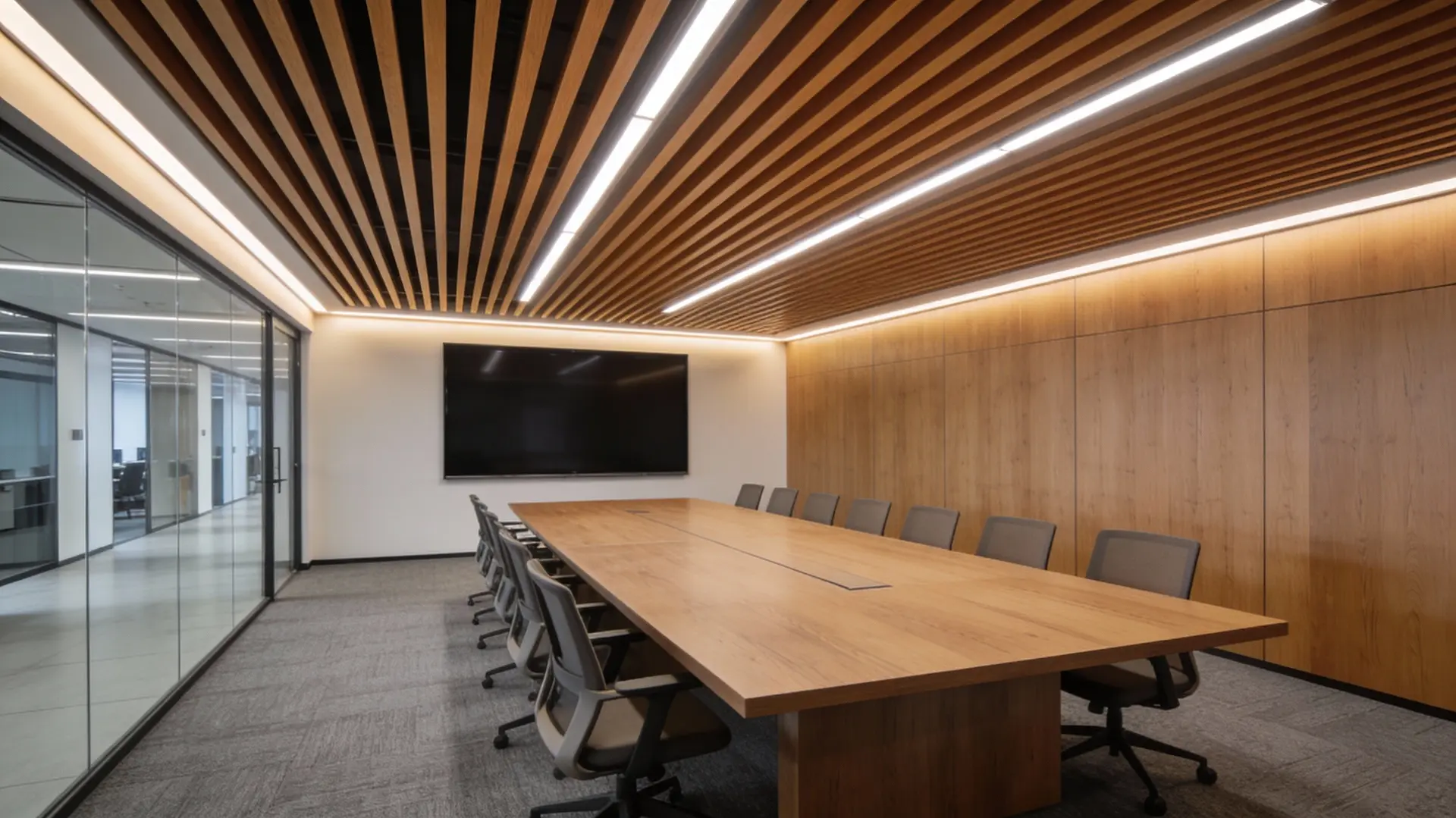
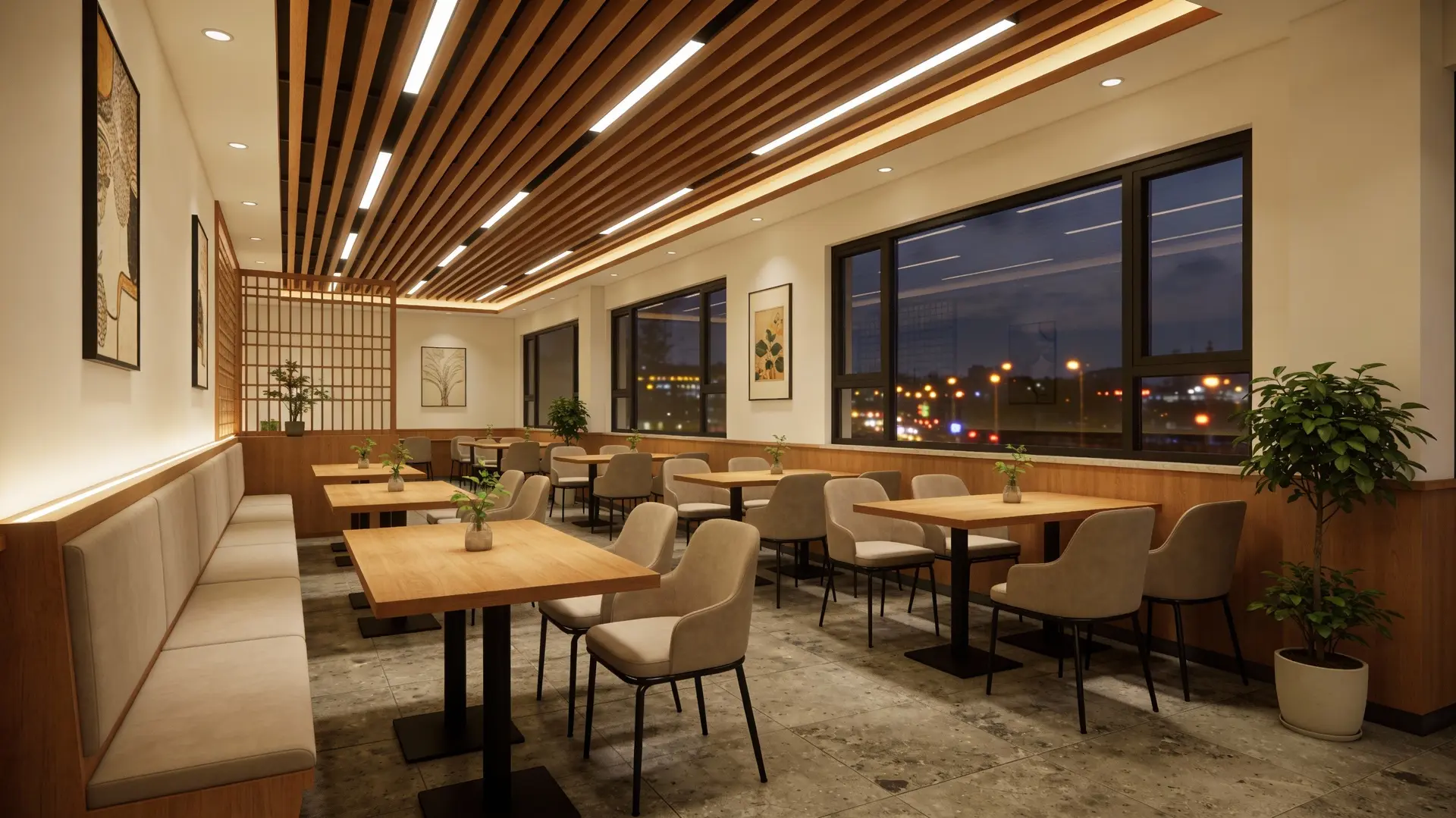
- Commercial interiors: deal for retail outlets, offices, and restaurants seeking modern finishes without the maintenance demands of wood.
- Public and institutional buildings: Found in airports, hospitals, and schools, WPC systems are valued for acoustic control, hygiene, and easy maintenance.
- Hospitality projects: Hotels and resorts increasingly use co-extruded WPC ceilings for outdoor corridors, pool areas, and lobbies due to their weather resistance.

Installation and Maintenance Tips
Proper installation and care ensure your WPC ceilings remain in excellent condition for years.
1. Installation:
Always follow the manufacturer’s instructions precisely. Panels should be installed on level frameworks with adequate spacing for expansion. If you lack onsite expertise, hiring professionals familiar with WPC systems is recommended.
2. Ventilation:
Allow good air circulation above and around panels to reduce moisture buildup and maximize system durability.
3. Cleaning:
WPC ceilings are easy to maintain—simply wipe with a damp cloth or mild detergent. Avoid harsh chemicals or abrasive surfaces to keep the finish intact.
4. Periodic checks:
Inspect panels annually for color consistency and structural integrity, especially in outdoor installations.
Quality Control and Export Preparation
Before shipment, final inspections should confirm:
- Panel dimensions and tolerances
- Color consistency across production batches
- Packaging strength for export transport
- Correct quantities and labeling
Independent inspection services are often used to verify quality before goods leave the factory.
Shipping and Logistics from China
WPC ceiling manufacturers in China are familiar with export packaging and container loading. Clear communication on packing methods, delivery schedules, and documentation helps avoid delays and damage during transport.
Shipping timelines should be planned early, especially for projects with fixed installation schedules.
Why Work with Guangzhou Sourcing
Reliable WPC ceiling sourcing depends on consistent quality checks and well-managed delivery. Guangzhou Sourcing supports these stages by working directly with verified WPC ceiling manufacturers across key production regions in China.
Before production, Guangzhou Sourcing assists with sample review and specification confirmation, including panel thickness, surface finish, color consistency, and installation systems. During manufacturing, factory audit and pre-shipment checks are coordinated to verify workmanship, quantities, and export packing standards.
Logistics coordination is handled alongside quality control and inspection. Guangzhou Sourcing works with factories and freight partners to manage export packing, container loading, and shipping schedules, helping protect products in transit and support on-time delivery. This integrated approach gives buyers clearer oversight and more dependable results when sourcing WPC ceiling systems from China.
Sustainability and Environmental Impact
One of the most compelling reasons for choosing WPC ceilings is their sustainability potential. Unlike traditional wood panels that rely on logging, WPC uses recycled compounds, reducing deforestation and landfill waste.
Many Chinese producers now promote circular economy models, reclaiming leftover offcuts and reintroducing them into production cycles. Additionally, WPC’s long lifespan significantly cuts down replacement frequency—an important factor in green building certifications such as LEED and BREEAM.
Conclusion
WPC ceiling systems offer a practical and visually appealing solution for modern residential, commercial, and hospitality projects. China remains a key sourcing destination due to its manufacturing capacity, product variety, and competitive pricing. Successful sourcing depends on selecting reliable manufacturers, confirming product specifications, and maintaining clear oversight during production and shipping. With proper quality checks and structured logistics coordination, buyers can achieve consistent results and long-term performance. Working with an experienced sourcing partner helps streamline the process, reduce risk, and ensure WPC ceiling systems meet project expectations from production through delivery.