
In the world of manufacturing, ensuring product quality is paramount. For quality control professionals operating in China, mastering AQL (Acceptance Quality Limit) inspection is crucial for upholding high standards and minimizing defective products.
In this comprehensive guide, we will delve into the intricacies of AQL inspection in China, providing expert insights and practical tips for quality control professionals looking to enhance their skills and drive excellence in their operations. From understanding the fundamentals of AQL inspection to navigating common challenges faced in Chinese manufacturing environments, this article serves as a must-read resource for those seeking to excel in the realm of quality assurance. Join us as we embark on a journey towards mastering AQL inspection in China.
The Basics of AQL Inspection
- Acceptable Quality Limit (AQL) inspection is a widely-used method in quality control to determine the acceptable level of defects in a product.
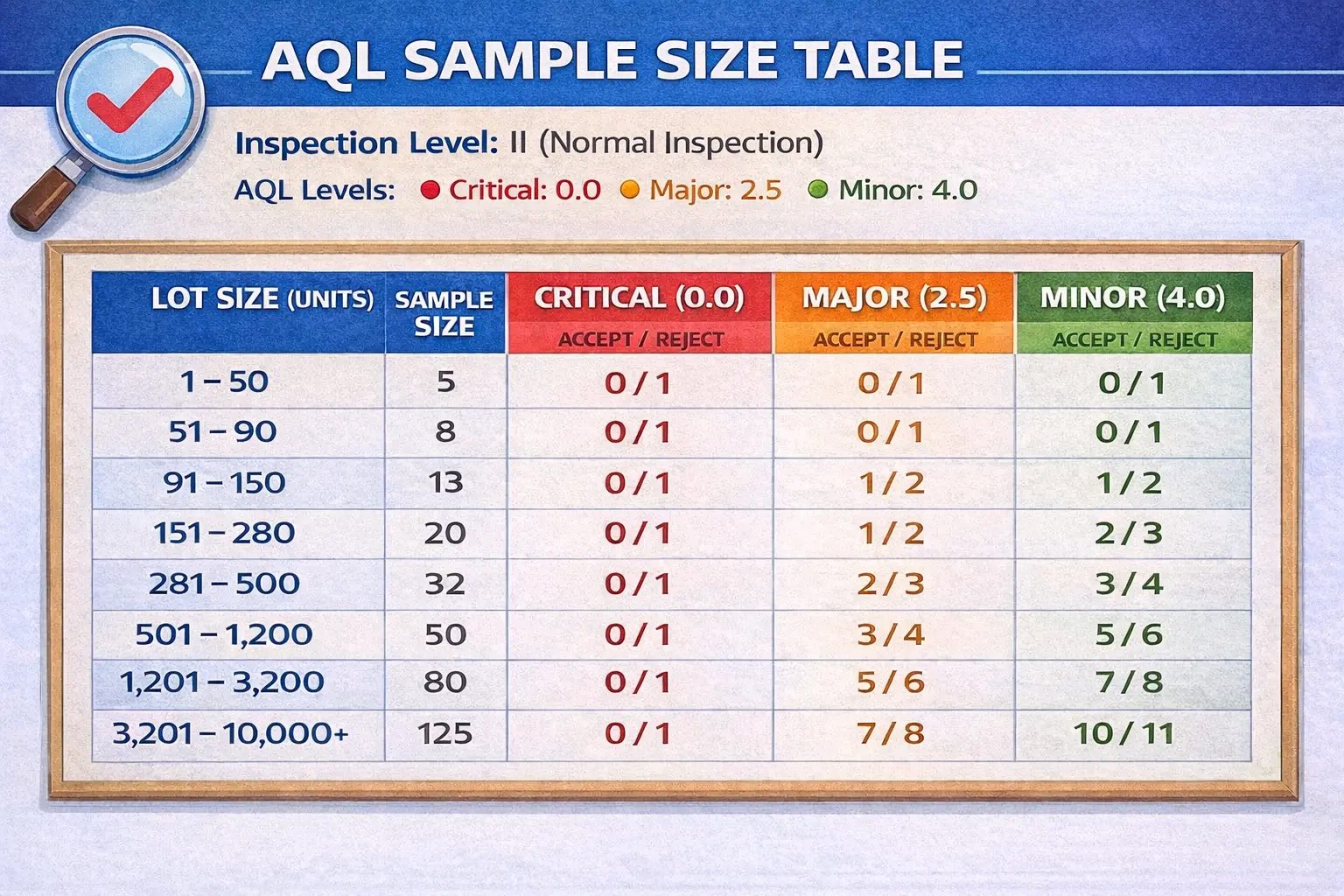
- The AQL level is usually expressed as three numbers: N, S1, and S2. N represents the sample size, while S1 and S2 represent the number of defects that can be allowed in the sample.
- During an AQL inspection, random samples are selected from a production batch according to predetermined statistical sampling methods.
Mastering AQL inspection involves understanding how to calculate sample sizes, knowing how many defective units are permissible based on sample size calculations, and following proper sampling protocols during inspections. This method helps ensure consistent quality standards for products manufactured in China.
Setting AQL Levels for Different Product Types
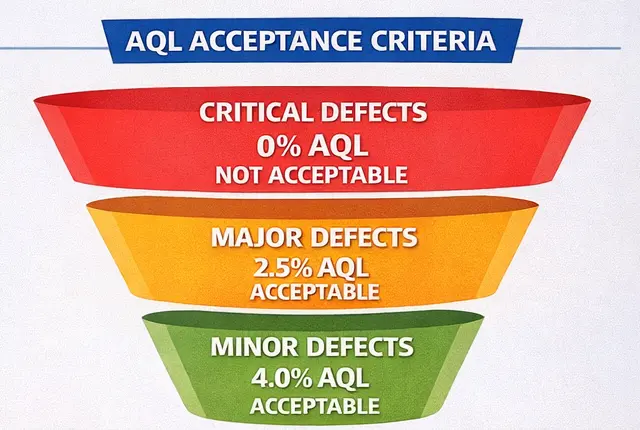
When setting AQL levels for different product types, it is essential to consider the criticality and impact of defects on the end-users. High-risk products such as medical devices or children's toys may require stricter AQL levels to ensure safety and compliance with regulations. Conversely, low-risk products like promotional items may have more lenient AQL levels without compromising quality.
It is crucial to involve key stakeholders such as suppliers, manufacturers, and quality control professionals in determining the appropriate AQL levels for each product type. By collaborating with experts in the field, you can establish realistic expectations and guidelines that align with industry standards and best practices. Additionally, regularly reviewing and adjusting AQL levels based on performance data and market feedback can help optimize quality control processes over time.
Conducting AQL Inspections in Chinese Manufacturing Facilities
When conducting AQL inspections in Chinese manufacturing facilities, it is crucial to clearly communicate your quality standards with the supplier. Make sure that they understand the Acceptable Quality Level (AQL) you are using for inspection. This will help prevent any misunderstandings and ensure that both parties are on the same page regarding quality expectations.
During the inspection process, pay close attention to product samples chosen for evaluation. Randomly select samples according to your predetermined AQL sampling plan. Thoroughly examine each sample to check for defects or deviations from specifications outlined in the product requirements. Document all findings accurately and provide detailed reports to your supplier for corrective action if necessary.
It is important to work closely with your suppliers throughout the inspection process to address any issues promptly and effectively. Building a strong relationship based on clear communication and mutual understanding will lead to improved quality control outcomes and better overall production results within Chinese manufacturing facilities.
Strategies for Sampling in AQL Inspection
- Random Sampling: Select samples randomly from the production lot to ensure an unbiased representation of the entire batch.
- Use of AQL Tables: Refer to Acceptable Quality Limit (AQL) tables to determine the sample size and acceptance criteria based on your desired level of inspection.
- Multiple Sampling Points: Collect samples at different points in the production process to capture variations and identify potential defects early on.
By employing these strategies, quality control professionals can conduct a comprehensive AQL inspection that accurately reflects the overall quality of products manufactured in China. Random sampling helps avoid bias and ensures a fair assessment, while using AQL tables provides a standardized approach to setting sample sizes and acceptance levels. Additionally, collecting samples from multiple points allows for a more thorough examination of product quality throughout production.
Interpreting AQL Inspection Results
When interpreting AQL inspection results in China, it is crucial to pay close attention to the Acceptable Quality Limit (AQL) levels set for your product. The AQL level determines the percentage of defects that are acceptable in a batch of products. Understanding whether the inspection result falls within the specified AQL range is essential for making informed decisions about product quality.
If the inspection result exceeds the specified AQL level, it indicates that there may be an issue with the production process or quality control measures. In such cases, further investigation and corrective action may be necessary to address any underlying issues and prevent future defects from occurring. On the other hand, if the inspection result falls within or below the specified AQL level, it provides reassurance that the product meets acceptable quality standards and can proceed to market without significant concerns.
In summary, interpreting AQL inspection results involves comparing actual defect rates against predetermined AQL levels to determine whether a batch of products meets quality standards. By understanding and acting on these results effectively, quality control professionals can ensure consistent product quality and customer satisfaction.
Addressing Nonconformities in AQL Inspection
- Identify nonconformities: During AQL inspection, it is crucial to carefully identify any instances of nonconformity. This includes both major and minor defects that do not meet the specified quality standards.
- Communicate with suppliers: Once a nonconformity is detected, it is essential to communicate with the supplier immediately. Clear and direct communication regarding the issue can help ensure that corrective actions are taken promptly.
- Follow up on corrective actions: After addressing nonconformities, it is important to follow up with the supplier to verify that corrective actions have been implemented effectively. This step helps prevent similar issues from occurring in future production runs.
Best Practices for AQL Inspection in China
- Establish Clear Criteria: Clearly define your acceptance criteria before beginning the inspection process to ensure consistency and accuracy.
- Train Inspectors Thoroughly: Providing comprehensive training to inspectors on AQL standards, product specifications, and inspection procedures will help improve the quality of inspections.
- Utilize Sampling Methods: Use appropriate sampling methods based on AQL levels to effectively assess product quality while maximizing efficiency.
- Maintain Communication with Suppliers: Regular communication with suppliers is crucial for addressing any quality issues promptly and ensuring they understand your expectations.
- Document Findings: Keep detailed records of inspection results, including pictures and descriptions of defects, to facilitate follow-up actions and future improvement efforts.
Continuous Improvement in AQL Inspection Operations
- Embrace Feedback: Regularly seek feedback from inspectors, clients, and stakeholders to identify areas for improvement in AQL inspection operations.
- Implement Training Programs: Provide ongoing training to inspectors to enhance their skills and knowledge of AQL standards and procedures.
- Utilize Technology: Explore the use of technology such as digital inspection tools and software to streamline processes and improve accuracy in AQL inspections.
Continuous improvement is essential for enhancing the efficiency and effectiveness of AQL inspection operations. By actively seeking feedback, providing training programs, and utilizing technology, quality control professionals can elevate their inspection processes in China towards achieving higher levels of quality assurance. It is crucial to adapt to evolving industry standards and customer requirements through a commitment to continuous improvement in AQL inspection operations.