
It may seem like a simple decision when you begin thinking of which bathtub to purchase; however, the moment you start to compare the materials used for tubs, it becomes a bit more complicated. Then you notice the names acrylic, cast iron, solid surface, and fiberglass. All bathtub materials have varying features, costs, lifespans, and upkeep requirements.
Your bathtub is more than just a bathroom feature. It impacts comfort, cleaning, long-term value and even your day-to-day routine. A gorgeous bathtub that is easy to scratch can cause you problems later on. The longer-lasting bathtub might cost more initially but saves money in the long run.
At Guangzhou Sourcing, we assist businesses, builders, developers, and buyers in sourcing products that are both of good quality and durable, while also providing value. Whether you are constructing a home, updating a bathroom, or working on a commercial project, knowing about the different types of materials used in a bathtub can help you make informed choices.
This guide will help you understand all the details so you can pick the best bathtub materials for you.
What Are Bathtub Materials and Why Do They Matter?
"Bathtub materials" refer to the materials that are used by the manufacturers to make bathtubs. Each material offers a different user experience.
Some tubs retain heat for longer. Others are less prone to scratching. Others are cheaper, but less durable.
The bathtub material will impact:
- Durability
- Heat retention
- Installation difficulty
- Cleaning requirements
- Appearance
- Weight
- Long-term maintenance costs
Suppose you purchase a beautiful bathtub, but it scratches easily or needs costly floor support. Careful selection avoids costly errors.
When selecting a bathtub materials, you will want to take into account the following factors:
Before comparing options, think about these important factors.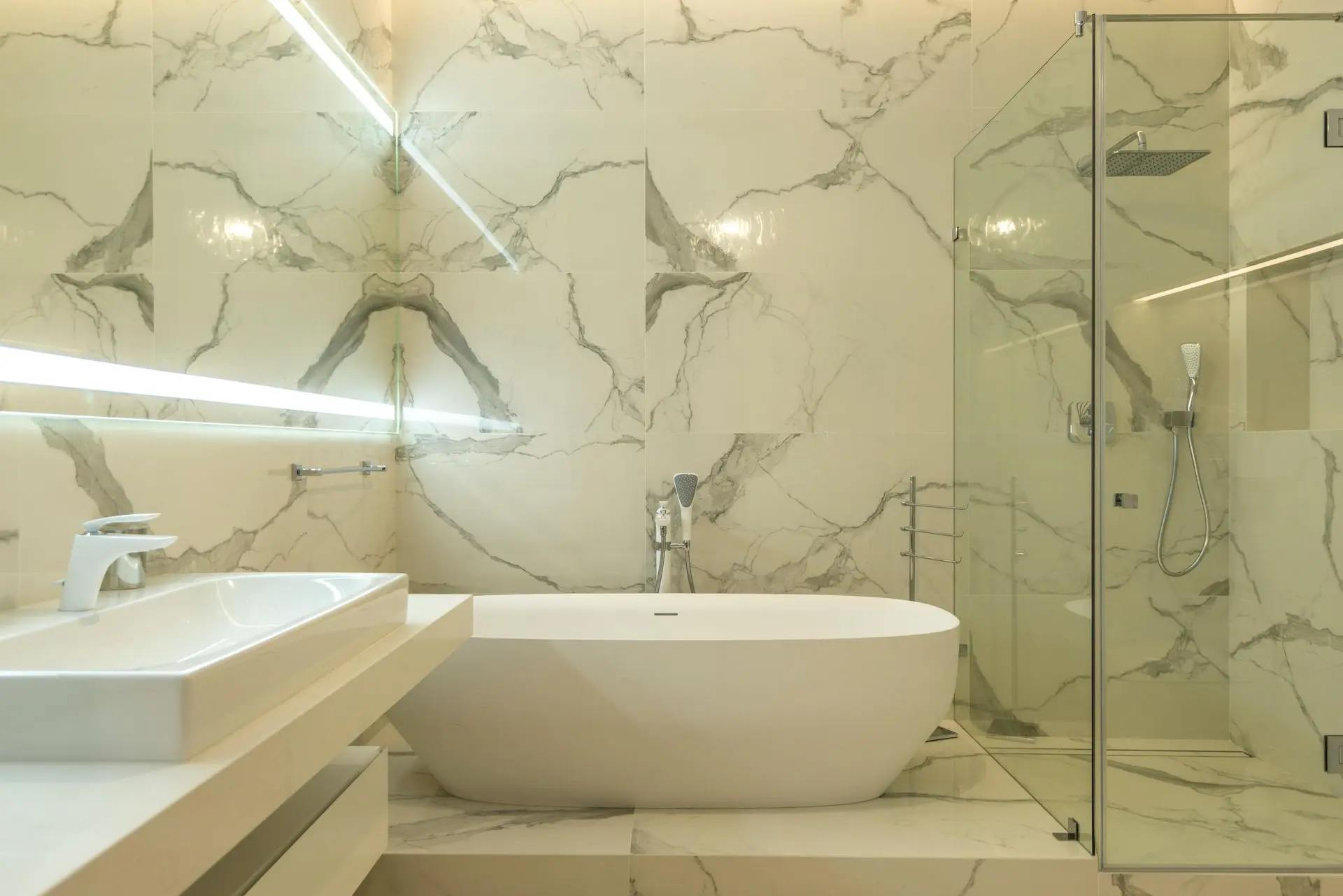
Factor | Why It Matters |
Durability | Durability affects how long the tub will last. |
Weight | If the tubs are heavy, they might require more support on the floor. |
Heat retention | A higher R value will maintain the temperature of the water for a longer period of time. |
Cost | Materials range from economical to upscale |
Maintenance | Certain surfaces are easier to clean than others. |
Style | The appearance and design of a material depends on its material. |
Installation | Certain tubs require more labor |
Let's now compare the main materials used for the bathtubs.
Acrylic Bathtubs
What Is an Acrylic Bathtub?
Acrylic bathtubs are made by manufacturers with fiberglass under the acrylic sheets and then vacuum formed. The two combine to produce a sturdy yet lightweight bathtub ideal for contemporary and classic bathrooms.
Acrylic is still one of the most popular tub materials due to its affordability, durability, comfort, and design flexibility. You'll have a smooth surface that feels warm, looks clean, and will fit a variety of bathroom styles.
You will find acrylic tubs in:
- Family homes
- Apartments
- Hotels
- Renovation projects
- Luxury bathrooms
Acrylic is used in many modern freestanding tubs because the manufacturers can create it in various interesting designs without spending too much money or making it too heavy.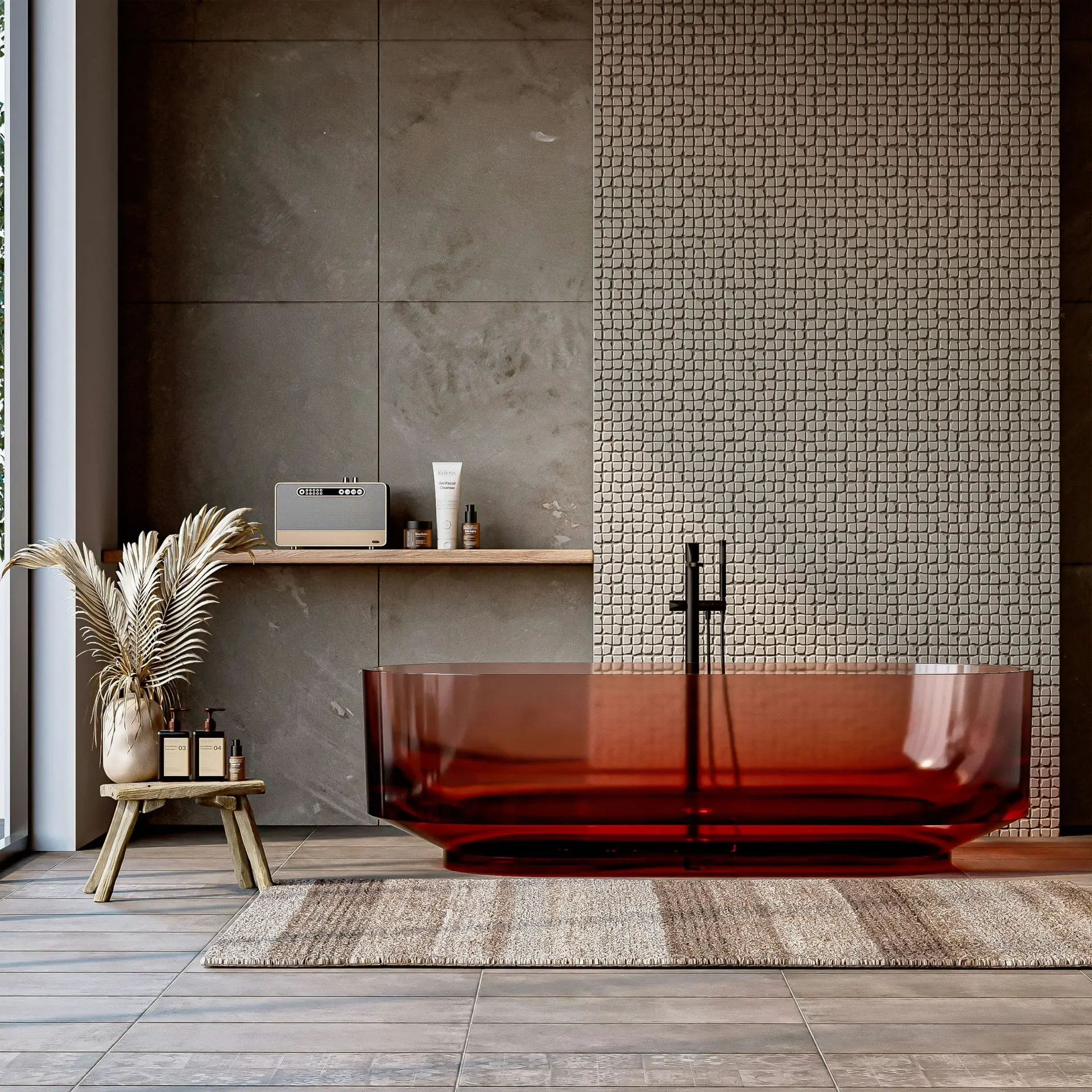
Advantages of Acrylic Bathtubs
1. Lightweight Construction
Acrylic tubs are much lighter than cast iron.
This makes:
- Installation easier
- Transportation cheaper
- The need for reinforcement of the floor is not as great.
Acrylic is commonly used by builders as it is installed quickly.
2. Affordable Price
Acrylic is good value without the luxury price tag.
Typical pricing ranges:
Material | Average Cost Range |
Acrylic | $300–$1,200 |
Cast Iron | $800–$3,500+ |
Solid Surface | $2,000–$5,000+ |
Fiberglass | $200–$800 |
Acrylic is in the middle.
3. Warm Surface Feel
Acrylic is not cold to the touch.
This minor difference makes the device more comfortable to use on a daily basis.
4. Many Design Options
Acrylic tubs are manufactured in:
- Oval shapes
- Rectangular styles
- Freestanding models
- Drop-in tubs
- Corner bathtubs
You get flexibility.
5. Easy Repairs
Small scratches tend to buff out.
Repair kits can also be used to repair minor damage.
Disadvantages of Acrylic Bathtubs
There is no material that is ideal for the bathtub.
Acrylic has limitations.
1. Scratches Can Appear
The surface can be damaged by sharp objects.
2. Lower Lifespan Than Cast Iron
Acrylic usually lasts
With proper care, 10–15 years or more.
Cast iron can have a much longer lifespan.
Best Applications for Acrylic Tubs
Acrylic is best used when you need to:
- Affordable bathroom upgrades
- Residential homes
- Rental apartments
- Fast installation projects
- Modern, stylish bathroom designs
Example:
Acrylic is often selected for a family that is remodeling two bathrooms as it can be an economical option without sacrificing the clean and modern aesthetic.
Cast Iron Bathtubs
What Is a Cast Iron Bathtub?
Cast iron bathtubs are made by pouring the molten iron into the mold. Once shaped, they are then covered with a thick enamel coating to protect and give them a shiny surface.
The result is one of the world's strongest and longest-lasting bathtub materials.
Cast iron bathtubs are renowned for their robust construction, timeless design, and longevity. Original cast iron tubs are still in use in many older homes and are strong after decades of use.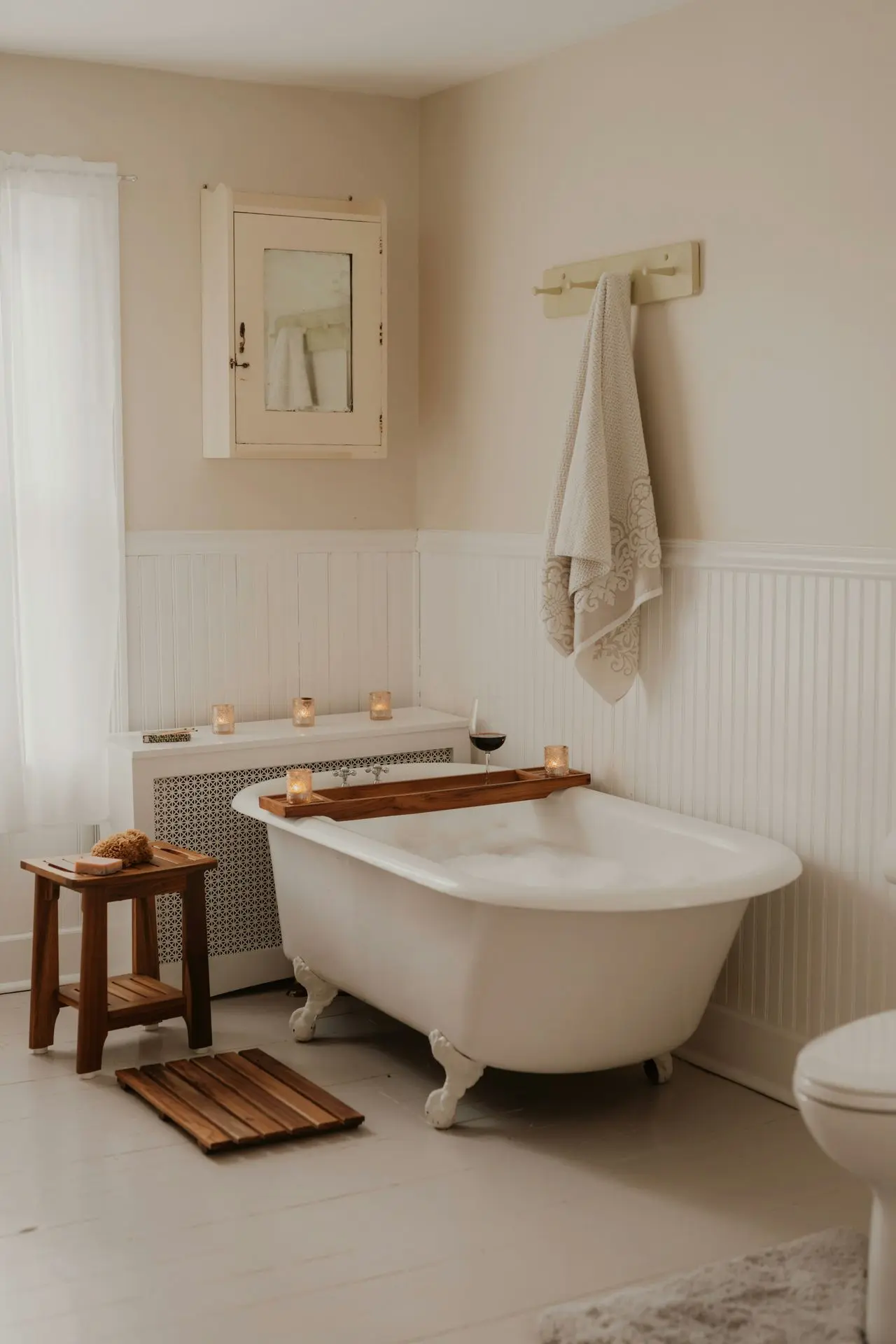
Advantages of Cast Iron Bathtubs
1. Exceptional Durability
Heavy daily use is okay on cast iron tubs.
Many last.
30–50 years or longer.
Some survive generations.
2. Excellent Heat Retention
Cast iron is very heat resistant.
Your bath water will stay hot for longer.
Those who like long baths tend to love cast iron.
3. Premium Appearance
Cast iron imparts a sense of luxury.
The shiny enamel coating is a beautiful finish.
For this reason, cast iron is often used in luxury villas and upscale hotels.
4. Scratch Resistance
Enamel coating resists:
- Scratches
- Dents
- Surface wear
Long lasting attractive finish.
Disadvantages of Cast Iron Bathtubs
1. Heavy Weight
Acrylic is much lighter than cast iron.
Some tubs are over 300 pounds before water is added.
Installation may require the following:
- Stronger flooring
- More labor
- Additional structural support
2. Higher Costs
The initial price of cast iron is higher.
Installation also costs more money for the project.
Best Applications for Cast Iron Tubs
Cast iron is suitable for:
- Luxury homes
- Long-term investments
- Premium renovations
- High-end hospitality projects
Example:
Cast iron may be the best option for a luxury villa owner who wants to renovate the bathroom and does not want to spend too much money on the process.
Solid Surface Bathtubs
What Is a Solid Surface Bathtub?
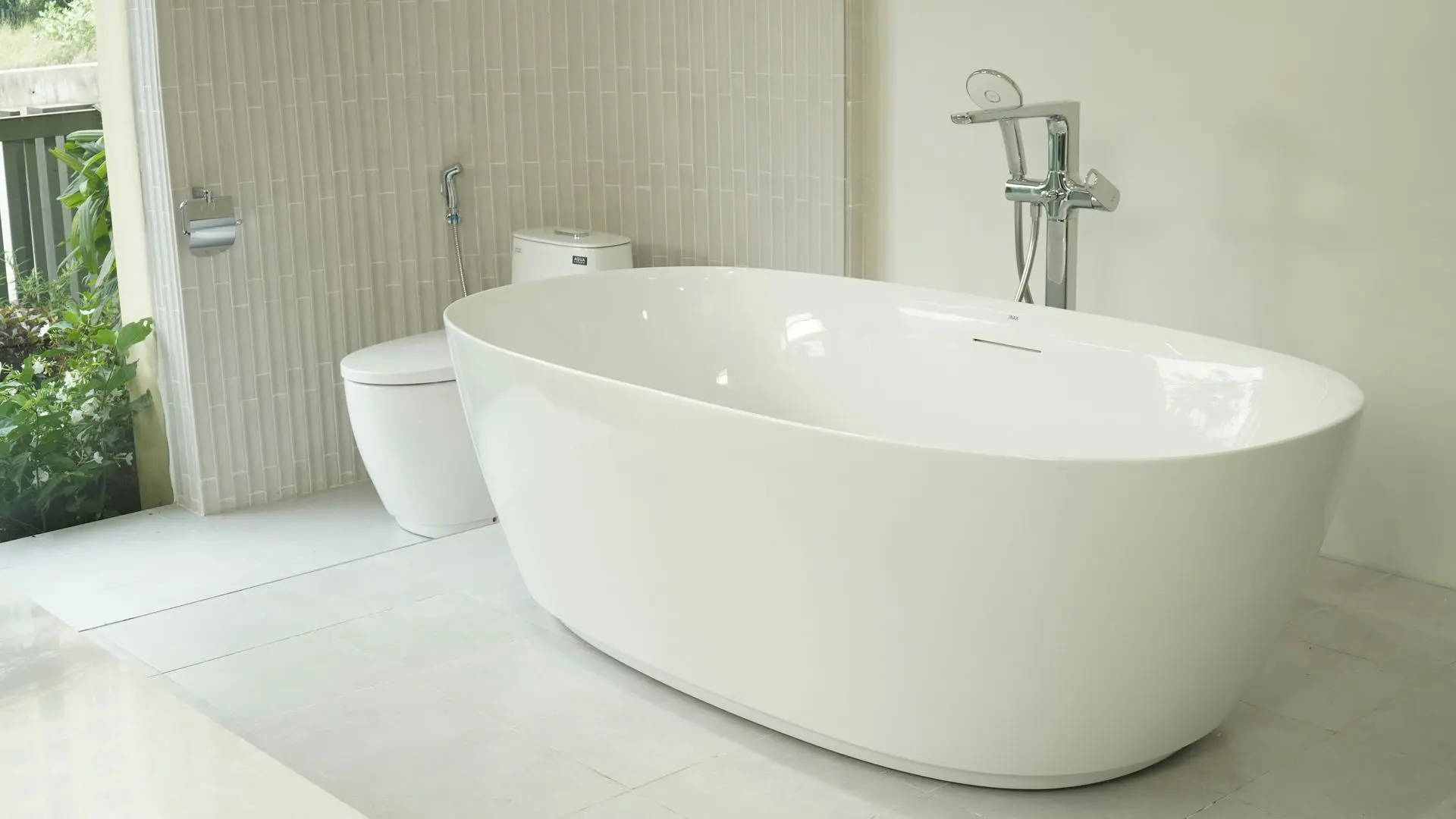
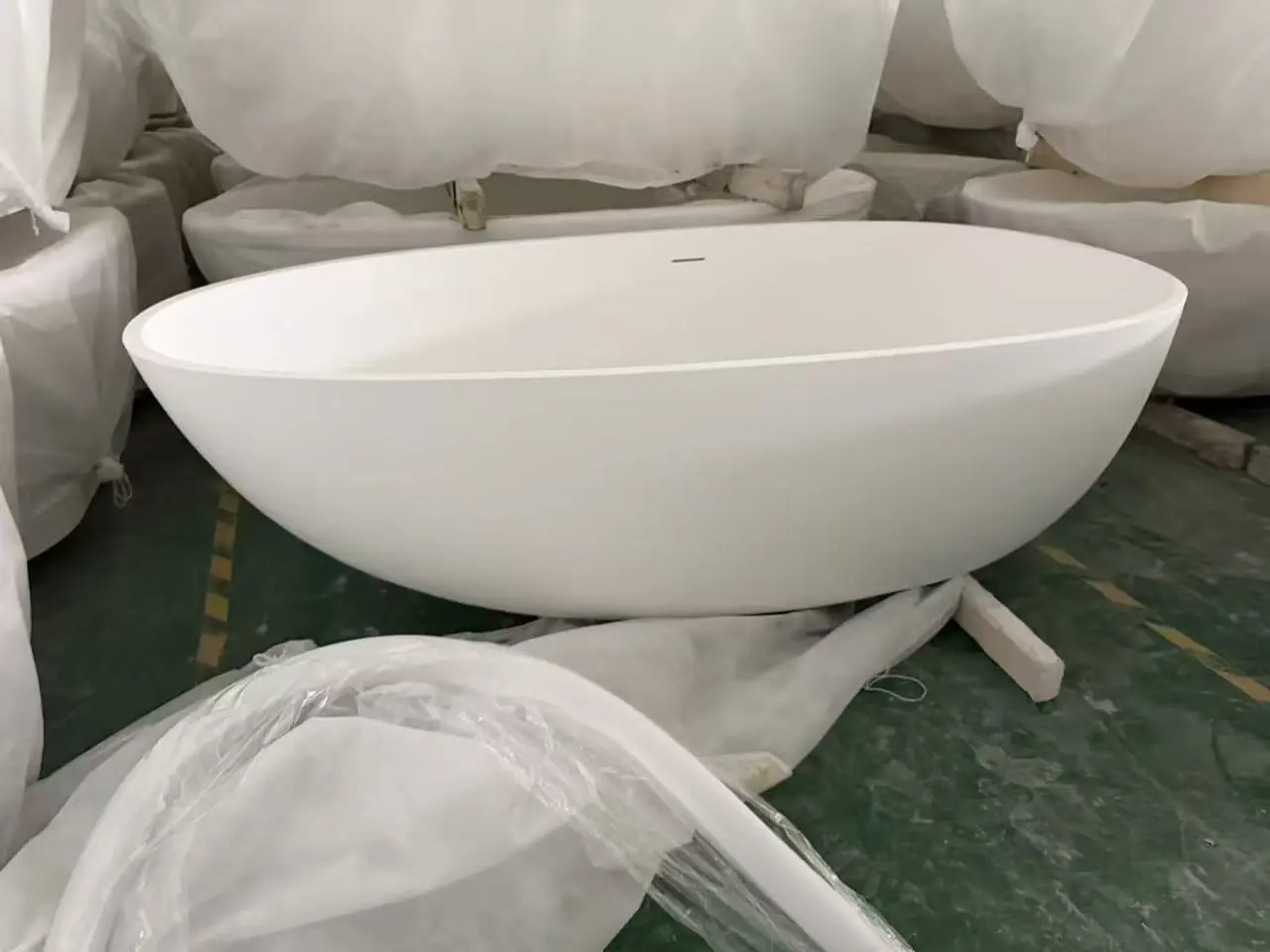
solid surface bathtubs are made from a combination of natural minerals and quality resins. These materials are blended and formed into a seamless, smooth, stone-like bathtub.
Solid surface is in the high end category and is commonly used in luxury interior design projects.
These bathtubs emphasize contemporary design, durability and luxurious finishes.
These tubs are frequently found in:
- Luxury hotels
- Designer homes
- Modern architecture projects
Advantages of Solid Surface Bathtubs
1. Luxury Modern Design
Solid surface tubs provide sleek, seamless looks.
This is commonly used in minimalist bathroom designs.
2. Excellent Durability
The material resists:
- Cracks
- Wear
- Surface damage
It works well for everyday use.
3. Strong Heat Retention
Solid surface keeps bathwater warm longer.
That improves comfort.
4. Repairable Surface
Some traditional materials may be more difficult to repair if damage occurs.
Disadvantages of Solid Surface Bathtubs
1. Higher Price
Solid surface is on the high end.
Be prepared for a higher initial cost.
2. Heavy Weight
Solid surface weighs more than acrylic and fiberglass.
Planning is crucial when it comes to installation.
Best Applications for Solid Surface Tubs
When you want to choose solid surface:
- Modern luxury bathrooms
- Designer interiors
- Premium hospitality projects
- Long-term aesthetic appeal
Example:
A boutique hotel developing luxurious guest experiences could opt for solid surface tubs as a way to reinforce the luxury brand.
Fiberglass Bathtubs
What Is a Fiberglass Bathtub?
Manufacturers make fiberglass bathtubs using layers of reinforced plastic and resin. They shape it and coat it for simple protection.
Fiberglass is one of the most affordable bathtub materials and is often used in low-cost construction projects.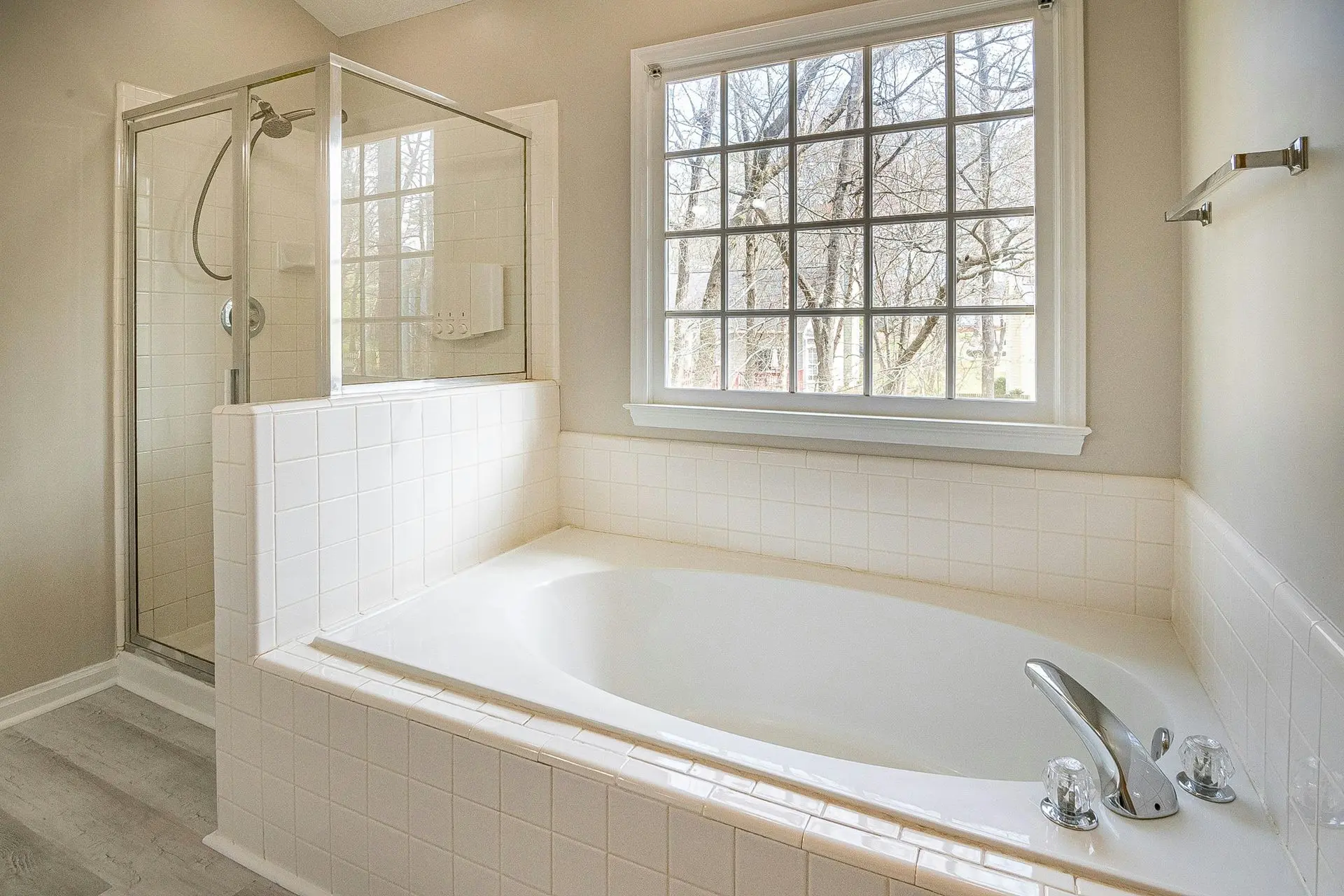
Advantages of Fiberglass Bathtubs
1. Budget-Friendly Pricing
The cost of fiberglass is typically lower.
It is appealing to:
- Apartments
- Starter homes
- Rental properties
2. Lightweight Design
Fiberglass is extremely lightweight.
Installation becomes easier.
There could also be reduced transport costs.
3. Simple Installation
Fiberglass is a fast installation process, typically done by contractors.
This lowers the labor costs.
Disadvantages of Fiberglass Bathtubs
1. Lower Durability
Fiberglass wears faster.
Surface cracks can form with time.
2. Surface Fading
Can become dull with long exposure.
3. Shorter Lifespan
Fiberglass often lasts
8–12 years.
That is less than acrylic, cast iron and solid surface.
Best Applications for Fiberglass Tubs
The fiberglass is ideal for use on:
- Budget projects
- Temporary solutions
- Rental properties
- Fast construction schedules
Example:
Fiberglass might be considered by a property developer who is overseeing several affordable housing units in order to manage project costs.
Acrylic vs Cast Iron vs Solid Surface vs Fiberglass: Side by Side Comparison
This is a straightforward comparison table.
Feature | Acrylic | Cast Iron | Solid Surface | Fiberglass |
Durability | Good | Excellent | Excellent | Basic |
Heat Retention | Good | Excellent | Very Good | Fair |
Weight | Light | Very Heavy | Heavy | Very Light |
Cost | Moderate | Premium | Premium | Budget |
Lifespan | 10 to 15+ Years | 30 to 50+ Years | 20 to 30+ Years | 8 to 12 Years |
Maintenance | Easy | Easy | Easy | Moderate |
Installation | Easy | Complex | Moderate | Easy |
Luxury Look | Good | Excellent | Excellent | Fair |
Explore Our Bathtub Catalogs
Browse our bathtub catalogs for acrylic, solid surface, and other bathtub options from Chinese manufacturers.
Which Bathtub Materials are Best for Your Bathroom
The best material for a bathtub is determined by your preferences, budget and the look you are going for in your bathroom. Here is a quick reference guide:
- Best for Budget Buyers: Consider fiberglass. It is the cheapest, and it is good for starter homes, rentals and temporary solutions.
- Best Choice for Price and Quality: Acrylic. Because acrylic offers a balance of affordability, durability and style, many homeowners choose it for their modern bathrooms.
- Best for Luxury Bathrooms: Choose solid surfaces. These tubs provide a sleek, seamless look and feel and are ideal for use in upscale projects.
- Long Term Durability: Cast iron is the best option. It is heavy and strong and can last decades and is perfect for people who want to invest in quality for a lifetime.
Common Mistakes to Avoid When Choosing Bathtub Materials
Many buyers make their decisions based on either appearance or price. To make sure you are satisfied for a long time, avoid these mistakes:
- Failure to Take Weight Requirements into Account: Cast Iron tubs require extra reinforcement of their floors. When purchasing a bathroom, always make sure to inspect the structural support.
- The decision to Go With Only Based on Price: Cheaper products may save money initially but could need replacement earlier. Think long term.
- Not Remembering the Maintenance Requirements: Every material has a set of maintenance requirements. Know how to clean and maintain before buying.
Not considering the style of your bathroom when choosing your bathroom design means you may be getting a bathtub that does not fit your bathroom. A modern bathroom could not fit into a traditional tub design.
Bathtub Materials Maintenance Tips
By keeping your bathtub properly maintained, you will make it last longer and keep it looking new.
Cleaning Acrylic Tubs
- Use soft cloths or sponges for cleaning.
- Avoid harsh scrubbers
- Wash every week to avoid accumulation
Taking care of Cast Iron Tubs
- To avoid enamel chips, avoid using sharp tools.
- Clean with gentle, non abrasive cleaners.
- Dry tub after use to preserve finish
Caring for Solid Surface Tubs
- Regularly wipe surfaces to avoid water stains.
- Do not use strong chemical cleaners.
- Minor scratches can be buffed out to ensure a smooth appearance.
Fiberglass Protection Tips
- Gently clean with soft cloths
- Do not use any abrasive scrubbers or harsh chemicals
- Fix small cracks as soon as you can to avoid more damage.
Simple care and cleaning routines can help lengthen the life of your tub.
Expert Tips for Choosing the Right Bathtub Materials
We suggest you consider the value of the product over the long term, not just the purchase price, at Guangzhou Sourcing. Here are some tips from the experts:
- Choose the material of the bathtub that matches the project's goals.
- Take maintenance into account before purchasing
- Tackle installation issues such as weight and floor support
- Keep the balance between budget and durability and quality
- Compare the life span and replacement costs
We have found that sometimes a higher initial cost can lead to lower running costs and increased customer satisfaction. Preplanning is a money and stress saver.
Conclusion
With an understanding of the performance characteristics of each type of bathtub material, the selection process is much simpler:
- Acrylic: Great value, fashionable design, simple installation.
- Cast Iron: Durability and heat retention are unmatched.
- Solid Surface: Modern luxury with a premium feel.
- Fiberglass: Budget friendly and lightweight for budget projects.
At Guangzhou Sourcing, we assist buyers, builders and developers in sourcing products that are of high quality and meet their project objectives, budgets and long-term performance requirements. Need assistance in picking bathroom materials or finding products for home or business applications, we can help you find solutions that suit your needs.
FAQs
What is the most durable bathtub material?
Cast iron is the most durable and can last for 30 to 50 years or longer.
Which bathtub materials holds heat the longest?
Cast iron is best for heat retention and a solid surface also retains heat very well.
Are acrylic bathtubs better than fiberglass?
Yes. Acrylic is more durable, lasts longer, is more scratch resistant and overall appears more premium.
Is cast iron worth the higher price?
If you want something that will last, cast iron is a good choice. There are often lower replacement costs associated with higher initial costs.
Which bathtub material works best for modern bathrooms?
For modern bathrooms, solid surface tubs are perfect because of their luxurious look and feel.
Which bathtub materials requires the least maintenance?
Acrylic and cast iron require little maintenance. They look terrific when cleaned regularly.
Can fiberglass bathtubs crack?
Yes. Cracks can occur with heavy impacts or over time, so they need to be taken care of.