
Benötigen Sie eine wirtschaftlichere und schnellere Methode, um Ihr Traumhaus zu bauen oder ein großes Bauprojekt umzusetzen? Sie sind nicht allein. Immer mehr Menschen suchen heute nach der Zukunft des Bauens. Der Begriff China-Fertighaus ist eines der Wörter, die Sie überall hören werden.
In diesem Leitfaden führen wir Sie durch alles, was Sie über die Beschaffung von Fertighäusern wissen müssen. Ob Sie ein Entwickler, ein Bauunternehmer oder einfach jemand sind, der eine komfortable Gartenvilla bauen möchte – dieser Leitfaden ist darauf ausgelegt, Ihnen den Einstieg zu erleichtern.
Warum ein China-Fertighaus in Betracht ziehen?
Die Welt entwickelt sich weiter, und damit auch der Bauprozess. Der herkömmliche Bauprozess ist aufwendig, kostspielig und in der Regel verschwenderisch. Aus diesem Grund ist die Nachfrage nach vorgefertigten Häusern weltweit stark angestiegen.
China hat sich zum weltweit größten Anbieter in diesem Markt entwickelt. Warum? Es geht um die drei C: Kosten, Kapazität und Anpassung. Chinesische Hersteller sind in der Lage, hochwertige Häuser zu einem Bruchteil der Kosten lokaler Bauunternehmen zu produzieren.
Wer sollte eine Beschaffung in China in Betracht ziehen?
Die Beschaffung von Fertighäusern aus China ist nicht nur auf große Bauunternehmen beschränkt. Eine Vielzahl von Unternehmen und Einzelpersonen kann von der Flexibilität, Effizienz und den Kostenvorteilen profitieren, die sie bietet.
- Entwickler, die ganze Wohnsiedlungen schnell und effizient bauen möchten.
- Bauunternehmer, die langlebige und zuverlässige Strukturen für Baustellen oder temporäre Einrichtungen benötigen.
- Distributoren und Wiederverkäufer, die daran interessiert sind, moderne Bausätze für Wohnhäuser in wachsenden Märkten anzubieten.
- Regierungsorganisationen und NGOs, die temporäre Unterkünfte oder groß angelegte Wohnlösungen bereitstellen.
- Hausbesitzer, die eine moderne, individuell gestaltete Villa ohne die hohen Kosten des traditionellen Bauens errichten möchten.
Am Ende dieses Leitfadens werden Sie verstehen, wie Sie den richtigen Lieferanten finden, die Produktqualität bewerten und Ihr Fertighaus erfolgreich direkt an Ihre Haustür liefern lassen können.
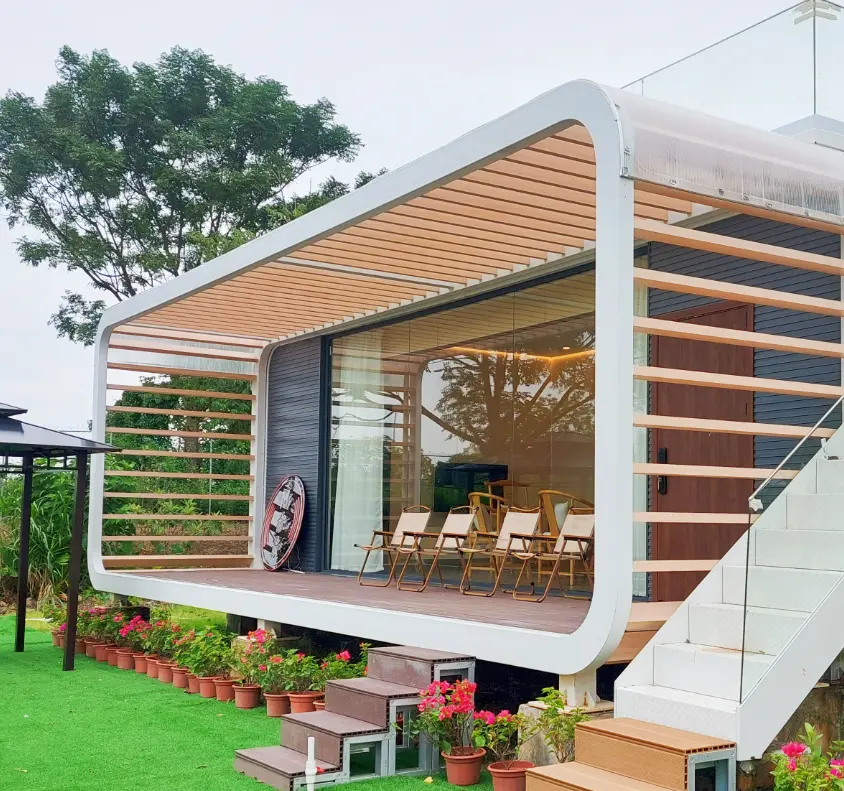
Was ist ein China-Fertighaus? (Fertighaus vs. Modulhaus vs. Containerhaus)
Ein China-Fertighaus ist ein Haus, bei dem der größte Teil der Bauarbeiten in einer Fabrik abgeschlossen wird, bevor es zur endgültigen Baustelle transportiert und dort installiert wird. Anstatt Wände, Dach und Böden im Freien bei Regen und Wind zu errichten, werden diese Bauteile in einer kontrollierten Innenumgebung gefertigt.
Fertighaus vs. Modulbau vs. Containerbau
- Fertighaus: „Fertighaus“ ist ein allgemeiner Begriff für jedes Haus, das aus in der Fabrik hergestellten Komponenten besteht, die vor Ort zusammengebaut werden.
- Modular: Dabei handelt es sich um sehr große LEGO-ähnliche Bausteine. Ganze Räume werden in der Fabrik fertiggestellt und vor Ort zusammengesetzt.
- Container: Containerhäuser werden aus Schiffscontainern oder containerähnlichen Rahmenstrukturen gebaut. Sie sind bekannt für ihre Stabilität, Mobilität und schnelle Installation.
Häufig verwendete Materialien in einem China-Fertighaus
Die meisten in China hergestellten Fertighäuser verwenden eine Stahlrahmenkonstruktion, die als Haupttragstruktur des Gebäudes dient.
Die Wände bestehen in der Regel aus Sandwichpaneelen, die aus zwei äußeren Schichten aus Metall oder Zementplatten mit einer dazwischenliegenden Dämmung bestehen. Gängige Dämmmaterialien sind EPS (Schaumstoff), Steinwolle oder Glaswolle, die dazu beitragen, angenehme Innentemperaturen sowohl in heißen als auch in kalten Klimazonen aufrechtzuerhalten.
Arten von China-Fertighäusern
Das Verständnis der verschiedenen in China verfügbaren Arten von Fertighäusern hilft Ihnen dabei, die Struktur auszuwählen, die am besten zu Ihrem Projekt, Ihrem Budget und Ihren langfristigen Zielen passt. Jeder Typ ist für bestimmte Anwendungen konzipiert, von großen Industriegebäuden bis hin zu luxuriösen Wohnvillen.
Fertighaus mit schwerer Stahlkonstruktion
How it's built Wie es gebaut wird
Diese Strukturen verwenden schwere H-Träger- oder I-Träger-Stahlrahmen und gehören damit zu den stärksten Optionen im Fertigbau. Sie sind im Grunde die Schwergewichte der Fertigbauwelt.
Am besten geeignet für:
- Große Lagerhallen
- Mehrstöckige Fabriken
- Flugzeughangars
- Industrielle Anlagen, die große Spannweiten und hohe Langlebigkeit erfordern
Neueste Innovation
Viele moderne Systeme verfügen heute über selbstheilende Schutzbeschichtungen, die helfen, Korrosion zu verhindern, wenn die Stahloberfläche während der Bauphase zerkratzt wird. Dadurch kann die Lebensdauer des Gebäudes auf über 50 Jahre verlängert werden.
Leichtstahlrahmen (LGS) Häuser
How it's built Wie es gebaut wird
LGS-Häuser werden aus kaltgeformten, verzinkten Stahl-C- oder U-Profilen gebaut. Nach der Fertigstellung ähneln sie hochwertigen traditionellen Häusern mit Fassadenverkleidung und herkömmlichen Dachsystemen.
Am besten geeignet für:
- Dauerhafte Wohnhäuser
- 2–3-stöckige Villen
- Vorstadthäuser für Familien
Moderne Merkmale
Viele LGS-Bausätze verfügen heute über vorgefertigte Öffnungen für Elektroinstallationen und Sanitärleitungen, wodurch der Arbeitsaufwand vor Ort um bis zu 20 % reduziert wird. Viele Konstruktionen sind zudem so ausgelegt, dass sie Erdbeben mit einer Stärke von bis zu 8,0 standhalten können.
Modulares China-Fertighaus (volumetrische Bauweise)
How it's built Wie es gebaut wird
Bis zu 90 % des Hauses werden in der Fabrik fertiggestellt, einschließlich Küchenschränken, Badezimmerausstattungen und Bodenbelägen. Die Einheiten werden als vollständig ausgebaute Räume oder Module geliefert und vor Ort zusammengesetzt.
Am besten geeignet für:
- Schnell realisierbare Hotelprojekte
- Student accommodations
- Glamping resorts and space capsule projects
Recent Developments
New stackable pod technology allows owners to expand buildings later by adding extra floors or wings years after the original installation.
Container House from China
How it's built Wie es gebaut wird
These homes follow standard ISO shipping container dimensions (20ft or 40ft) or use reinforced container-style frames designed for plug-and-play installation.
Am besten geeignet für:
- Container cafés and pop-up retail spaces
- Backyard offices
- Budget-friendly small homes
Current Trend
A growing trend is the expandable container, which arrives as a standard shipping unit but can unfold on-site to expand up to three times its original size.
Portable & Foldable Prefab House
How it's built Wie es gebaut wird
Designed with heavy-duty hinges and folding systems, these structures collapse flat for easy transport, with walls, roof, and floors folded into a compact form.
Am besten geeignet für:
- Emergency disaster relief housing
- Temporary site offices
- Short-term guest accommodations
New Technology
New models include hydraulic assist systems, allowing a single person to unfold a 20-square-meter house in less than 15 minutes using remote control operation.
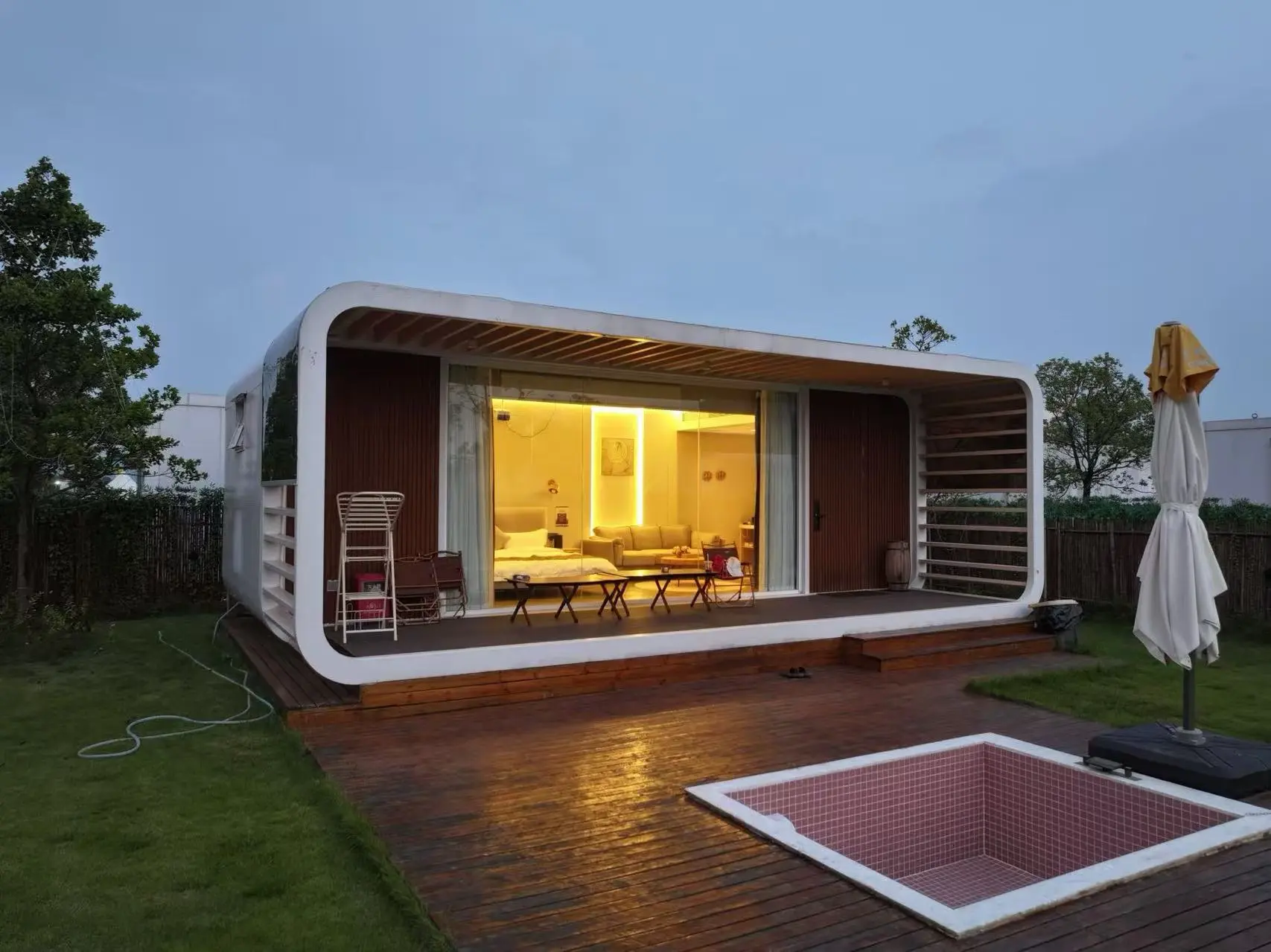
Luxury China Prefab Villa (Apple Cabin Style)
Design Features
These high-end prefab homes feature futuristic designs with aviation-grade aluminum exteriors and panoramic glass walls, ceilings, and flooring elements.
Am besten geeignet für:
- Luxury Airbnb rentals
- Mountain retreats
- Modern garden studios or private villas
Advanced Innovation
Many luxury units now include smart glass technology, which adjusts tint at the touch of a button, along with built-in AI voice control systems for lighting, climate, and security management.
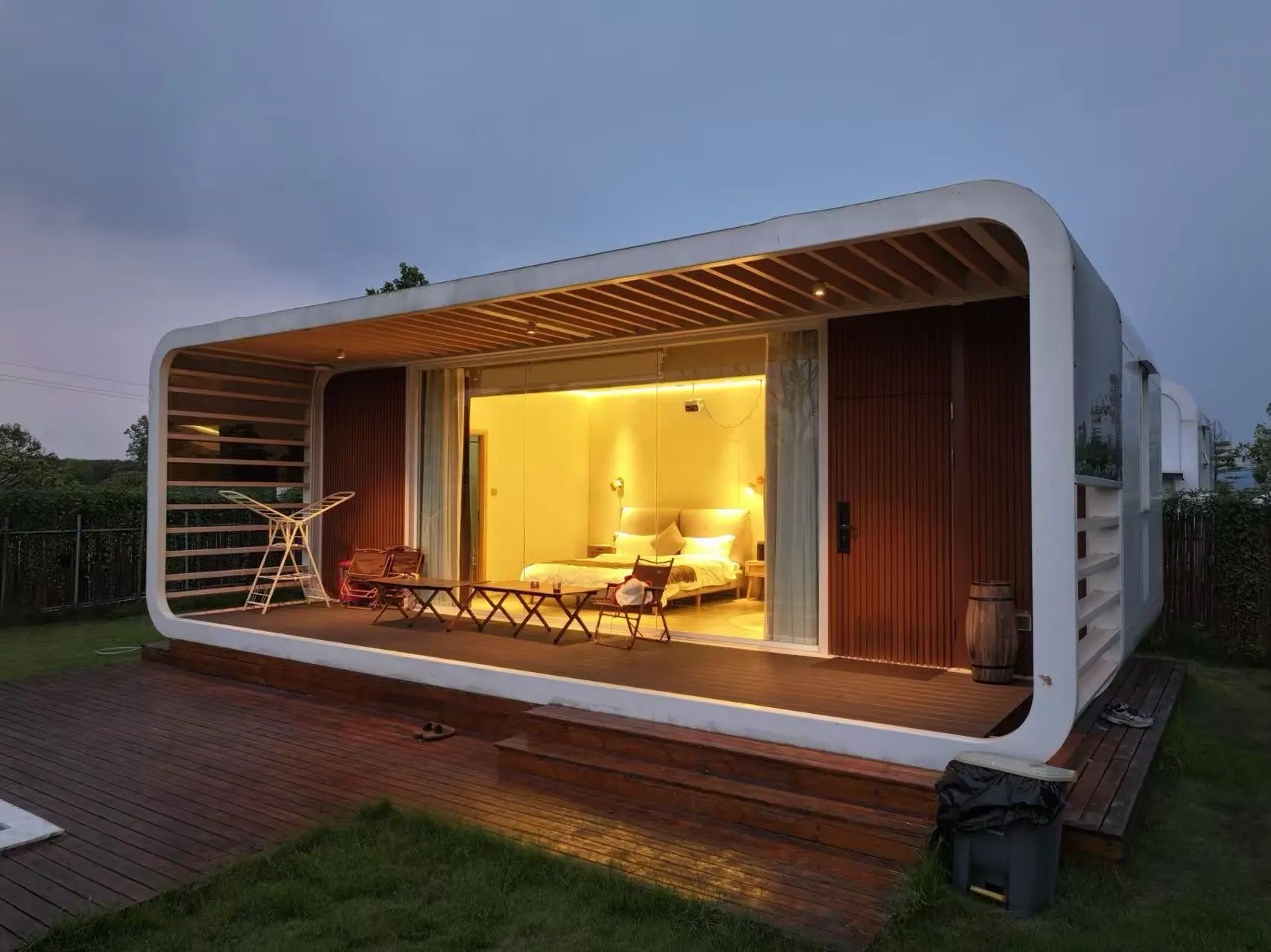
Explore Our Prefab House Catalog
Explore our prefab house collection, including modular homes, modern prefab villas, and other factory-built housing solutions sourced from China.
Why Source a China Prefab House?
1. Cost Efficiency
Labor and production costs in China are lower as compared to the west. Since the factories purchase materials in huge amounts, they transfer these to you. You can usually save 30 percent or 50 percent as compared to construction locally.
2. Large Manufacturing Capacity
Mega-factories in China deploy the services of robotic welding arms and plant CNC machines. This makes the 1st house the same as the 100th house, which is crucial to large-scale resorts.
3. Customization Options
By 2026, BIM (Building Information Modeling) will be used by most of the suppliers. You can upload the 3D file to them and they can make your unique brand colors or some changes on the floor plans in real time before manufacture.
4. Fast Production & Delivery
Standardized Flat-pack designs make 4 to 6 units per container (40ft High Cube) being loaded and delivered, which reduces the shipping cost per unit substantially.
Key Factors to Consider Before Sourcing
Before sourcing a prefabricated house from China, clear planning helps avoid delays, unexpected costs, and quality issues.
1. Define Your Project Requirements
Know your purpose first. Is the building temporary or permanent? What climate conditions will it face?
Share your local weather and building regulations with the supplier so they can recommend the correct steel structure, insulation, and specifications.
2. Budget Planning
Look beyond the house price. Include:
- Shipping: A 40ft container typically costs around $3,500–$6,000, depending on destination and market conditions.
- Import duties and taxes in your country.
- Installation costs, including labor and equipment.
Planning ahead helps control overall expenses.
3. Certifications & Standards
Always request test reports, not just certificates.
Check that:
- Sandwich panels have at least a B1 fire rating.
- Steel is galvanized to 275 g/m² for corrosion protection.
These steps ensure safety, durability, and compliance with international standards.
How to Find Reliable China Prefab House Suppliers
Finding the right supplier is one of the most important steps when sourcing prefab houses from China. Here are the main ways to identify reliable manufacturers:
B2B Platforms:
- Alibaba: The largest sourcing platform; use Trade Assurance for payment protection.
- Made-in-China: Strong for industrial and construction suppliers.
- Global Sources: Focuses on verified and higher-end manufacturers
Trade Fairs & Exhibitions
If possible, visit the Canton Fair in Guangzhou or specialized prefab and modular building exhibitions, where you can see actual units and meet suppliers face-to-face.
Google & Direct Websites
Search terms like “LGS house manufacturer China.” Review the company’s website and check the About Us page to see their experience and background.
Factory Verification
Never purchase without verification:
- Request a live factory tour via WeChat or WhatsApp.
- Hire a third-party inspector before shipment.
- Order a sample (such as a wall panel) to test material quality.
How to Evaluate a China Prefab House Manufacturer
Choosing the right manufacturer is critical to the success of your project. When speaking with potential suppliers, ask these key questions to assess their reliability and capability:
- Experience: How many years have you been exporting, and do you have experience shipping to my country?
- Production Capacity: What is the number of units that you can produce in a month?
- Case Studies: Can you share photos or examples of completed projects, especially in my region?
- Quality Control: Do you have a dedicated QC team that inspects every order before shipment?
- Support: Does your team communicate clearly in English and provide detailed technical drawings?
Asking these questions helps you understand whether the supplier has the experience, systems, and support needed to deliver your prefab house successfully.
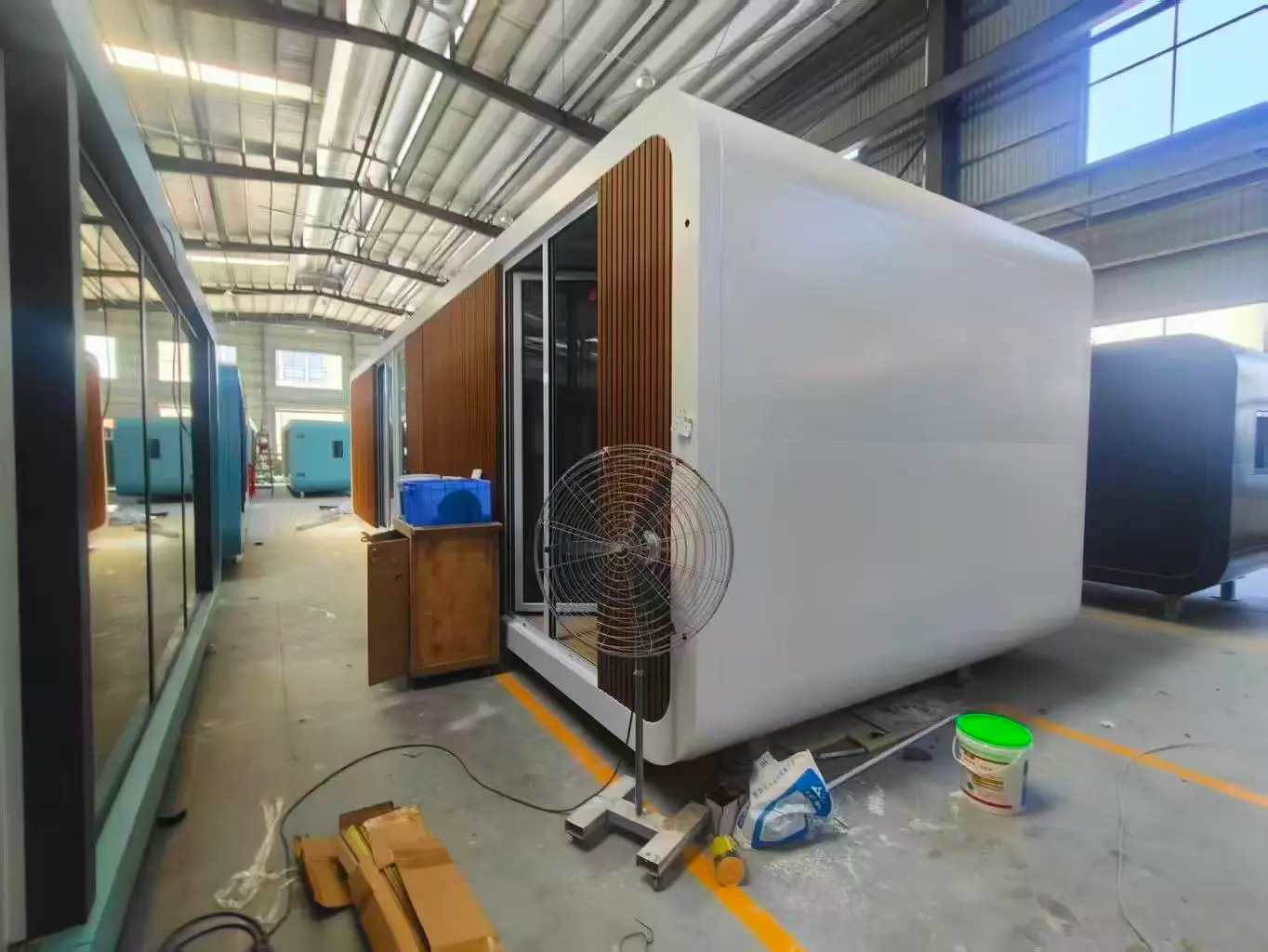
China Prefab House Pricing Structure
Prefab house prices from China are usually quoted in two common ways:
- FOB (Free On Board): The price covers delivery to a Chinese port. From there, you are responsible for shipping, insurance, and all remaining logistics costs.
- CIF (Cost, Insurance, and Freight): The price includes shipping and insurance up to your local port, making it a more convenient option for many buyers.
What to Watch Out For:
Material Thickness
Low-cost quotations often use thinner materials, such as 0.4mm wall panels or 1.2mm steel frames. For permanent housing, it’s safer to request at least 0.5mm wall panels and 1.8mm steel frames for better durability.
Hidden Costs
Always confirm what is included in the quotation. Check whether flooring, windows, and basic plumbing or electrical systems are part of the package to avoid unexpected expenses later.
Shipping & Logistics Process
Understanding shipping and logistics helps ensure your prefab house arrives safely and without delays.
- Packaging Methods
Shipper-Owned Containers (SOC) are becoming more common for shipping prefab houses. This lets buyers keep the container on-site and use it again without having to pay return fees.
- Shipping Timeframes
Sea freight typically takes 25–45 days, depending on the destination. You should also plan on an extra 7 to 10 days for customs clearance and local processing after the shipment arrives.
- Required Documents
Be sure that your supplier has a Packing List that identifies each box. When the Box #4 lacks a bolt, the packing list gives you the answer on what to order.
Import Regulations & Local Compliance
Prior to arrival at the house, contact your local city hall. You need building permits. You must also make sure the electrical and plumbing components also comply with the safety regulations in your country (such as UL in the US or AS/NZS in Australia).
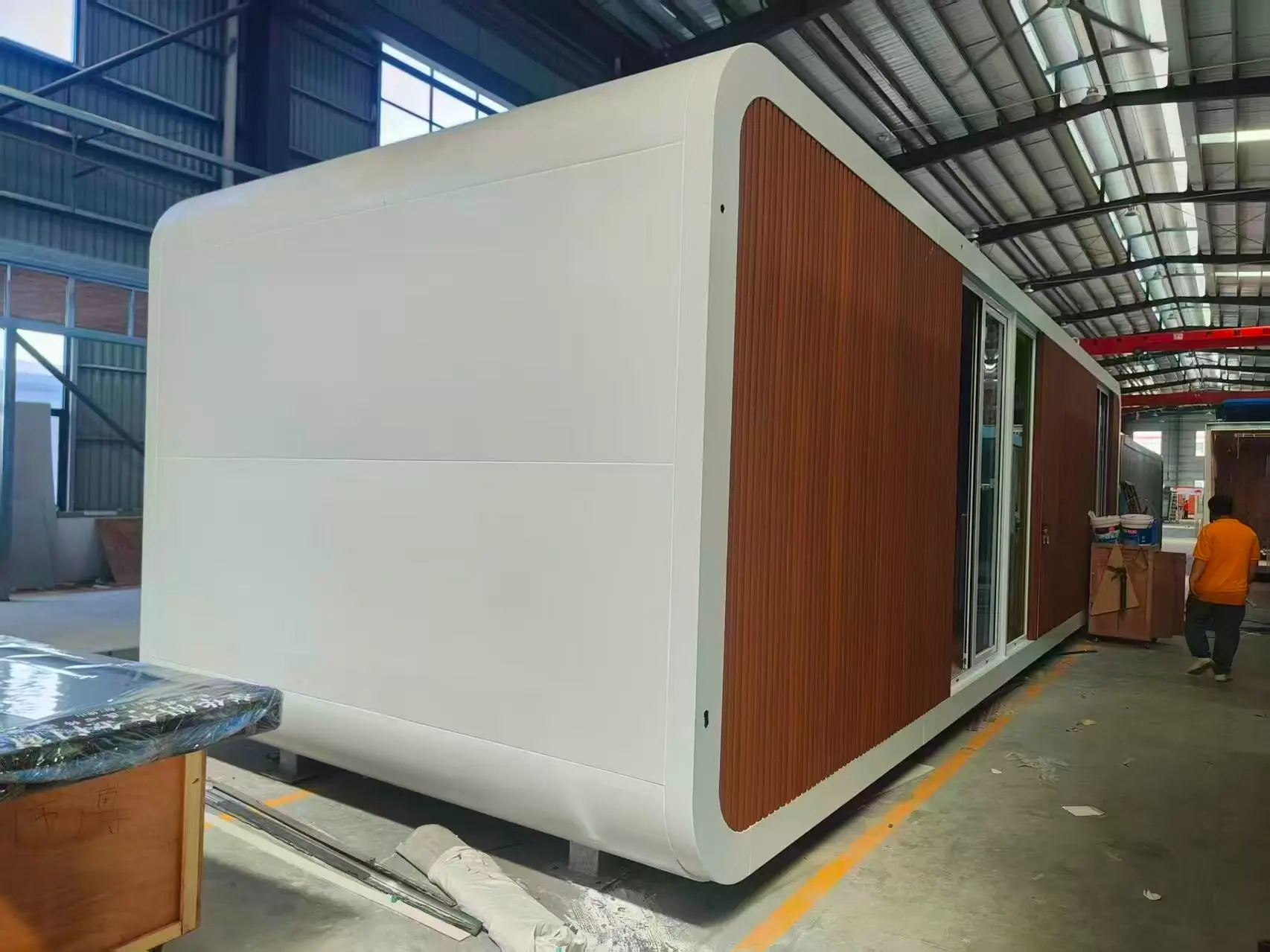
Installation Process
You have Two Choices:
DIY: Certain houses include an IKEA manual. Good for small cabins.
Professional Team: In the case of a large home, a crane and local crew are required. The majority of the suppliers offer technical support videos or may even dispatch an engineer at a charge.
Common Challenges (And How to Avoid Them)
- Quality Inconsistency: This is to always insist on a Pre-Shipment Inspection. When the house has gone on the ocean, it is too late to correct a manufacturing error.
- Miscommunication: This is due to the use of technical terms instead of descriptive terms (thick, heavy, warm).
- Late Delays: Never order any house earlier than 3 months before you need it.
Negotiation Tips for China Prefab House Orders
- Payment Terms: Large orders can be split into 10/20/70: 10 percent payment will be received initially, 20 percent will be received upon building the frame, and 70 percent will be received upon final inspection but before being shipped.
- MOQ: When purchasing a small house, inquire about whether they have a sample price per unit.
- Partnership: Inform them that you will purchase more in the future; they may give you a favorable bargain now.
Sustainability & Eco-Friendly Benefits
Prefab houses are environmentally friendly in the sense that they do not generate a lot of waste. Steel is 100% recyclable, and the insulation is of high quality; thus, these homes are highly efficient in terms of energy. Solar panel integration is now an attribute being provided as an addition by many Chinese suppliers.
Case Study Examples
- Residential: The California LGS home was built to incorporate Screw pile foundation, which enabled the family to construct on a slope without incurring huge excavation expenses.
- Resort: The Maldives "Capsule" hotel incorporated aviation quality aluminum exteriors to ensure that it could not be corroded by seawater—a necessity when building on the coast.
- Emergency: The provision of shelter by the use of foldable houses in the case of a natural disaster.
Final Thoughts: Is a China Prefab House Right for Your Project?
The China prefab house is a good strategy to acquire in case you are in a hurry and wish to spend less. Although the procedure takes a lot of steps, such as picking a design and going through customs, the results of having a modern, friendly-to-the-planet, inexpensive home make it worth it.
This is what we do at Guangzhou Sourcing, making this process stress-free. We become your boots on the ground in China, finding the most trustworthy manufacturers to handle, doing quality inspection and dealing with your shipping logistics.
Is it possible to have our team assist you to locate the ideal supplier for your project today? Get in touch with us here and get started!
FAQs
1. How much does a China prefab house cost per square meter?
Prices differ, yet the basic units cost between 150 and 300 per square meter, and luxury villas may cost up to 800 or more.
2. Are they safe for extreme weather?
Yes. Recent steel-framed houses are constructed in such a way that they can withstand 8-magnitude earthquakes and category 4 hurricanes.
3. How long do they last?
A standard LGS (Light Gauge Steel) house has a lifespan of 50 to 70 years, just like a conventional house would have.
4. Can I get a mortgage on a prefab house?
This is based on your local bank. In case the house is permanently founded and is within the local codes, most banks will finance it.
5. Do they come with bathrooms and kitchens?
Yes! A majority of turnkey modular houses are fitted with toilets, showers, cabinets and sinks.