
Einführung
When ordering custom furniture, you might encounter two frequently used terms: COM (Customer's Own Material) and COL (Customer's Own Leather). Both indicate materials provided by the customer instead of being chosen from the furniture maker's standard selection.
This allows the buyer to have greater flexibility with leather and fabric that complements the buyer's specifications, design scope of work and price range. They are often specified for residential hotels, restaurants, offices, and other commercial projects.
It's important to know about COM & COL for businesses that source custom furniture from China. So that they could better work with the manufacturer and make the production plan. Guangzhou Sourcing provides services like furniture sourcing, manufacturer coordination, product specification, and quality inspection to international buyers for an easier handling of the custom furniture order for hospitality and commercial purpose.
What Are COM and COL?
COM and COL are a furniture manufacturing industry term for fabrics or upholstery selected and supplied by the customer.
- COM (Customer's Own Material): Material provided by the customer to be used in the covering of the furniture.
- COL (Customer's Own Leather): Leather that is provided by the customer for upholstering furniture.
Instead of choosing from the manufacturer's available options, customers can source materials that better suit their project.
These options are commonly used for custom sofas, lounge chairs, dining chairs, headboards, office seating, hotel furniture, and restaurant booths. Interior designers, architects, and purchasing teams often specify COM or COL to maintain a consistent look throughout a project.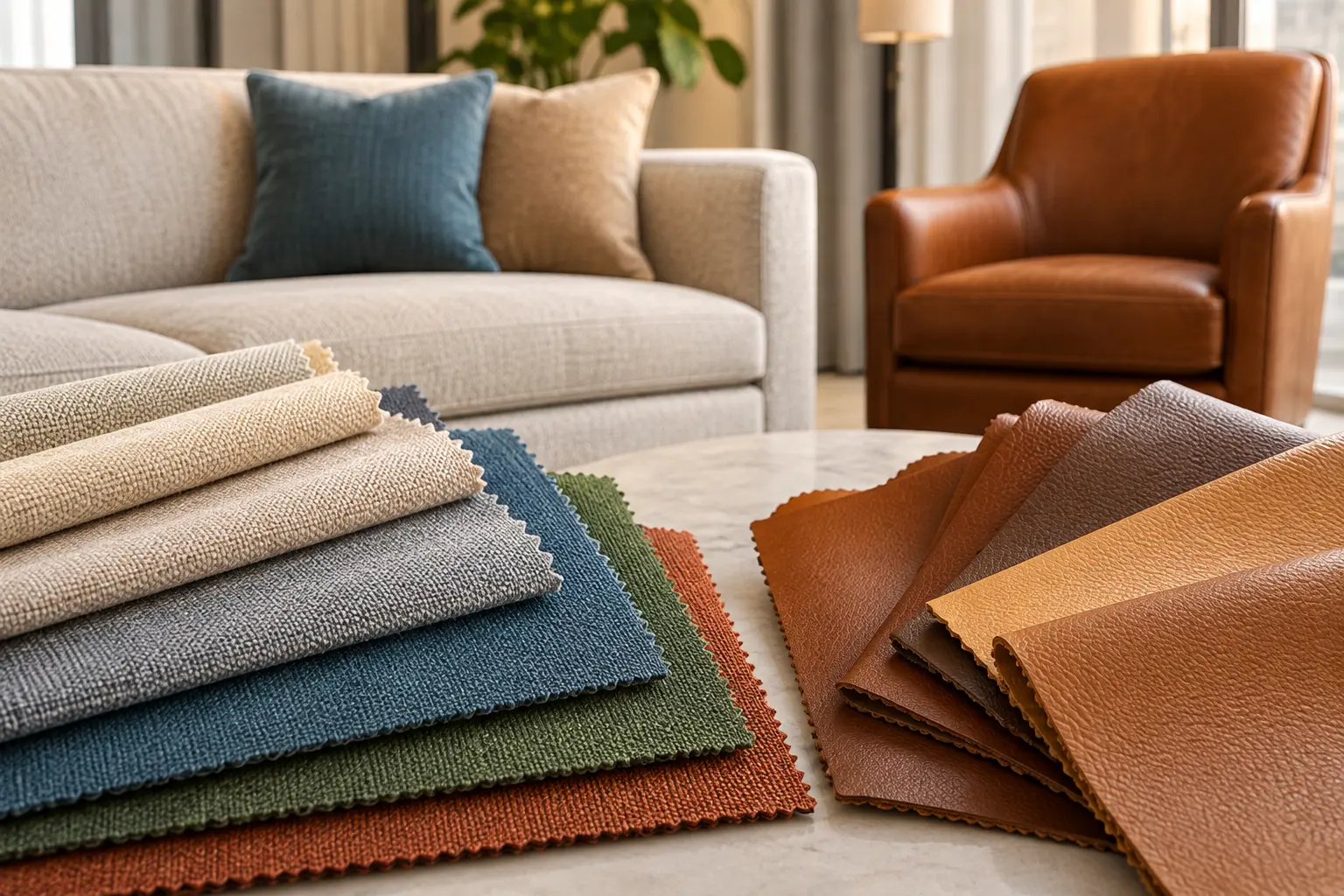
What Does COM Mean in Furniture?
Customer's Own Material (COM) refers to customer-provided fabric used for upholstered furniture products like sofas, chairs, benches, ottomans, headboards, banquettes, etc.
The fabrics are procured from sources like textile mills, design centers, distributors, specialized providers for the product. Such fabrics could be velvet, linens blend, patterned fabric, performance fabric, outdoor fabric, recycled fabric, etc. satisfying the requirements of the manufacturer.
With COM, customers have more control over their furniture.
- The color, texture, pattern of the fabric.
- The fiber type and performance of the fabric.
- The direction and placement of the pattern.
- It is easier to coordinate curtains, carpets, etc. of the interior, etc.
For example, a hotel may supply fabric in its brand colors, while an interior designer may select a specific textile to match a restaurant's seating and decorative finishes.
As an instance, a hotel could use the fabric with their brand color while an interior designer may prefer a specific fabric for a restaurant's seating and their interior finishesWhat Does COL Mean in Furniture?
COL stands for Customer's Own Leather, which is similar to COM except the customer provides the leather instead of fabric.
COL is often used for sofas, lounge chairs, dining chairs, office chairs, headboards, reception furniture, and other furniture with upholstery.
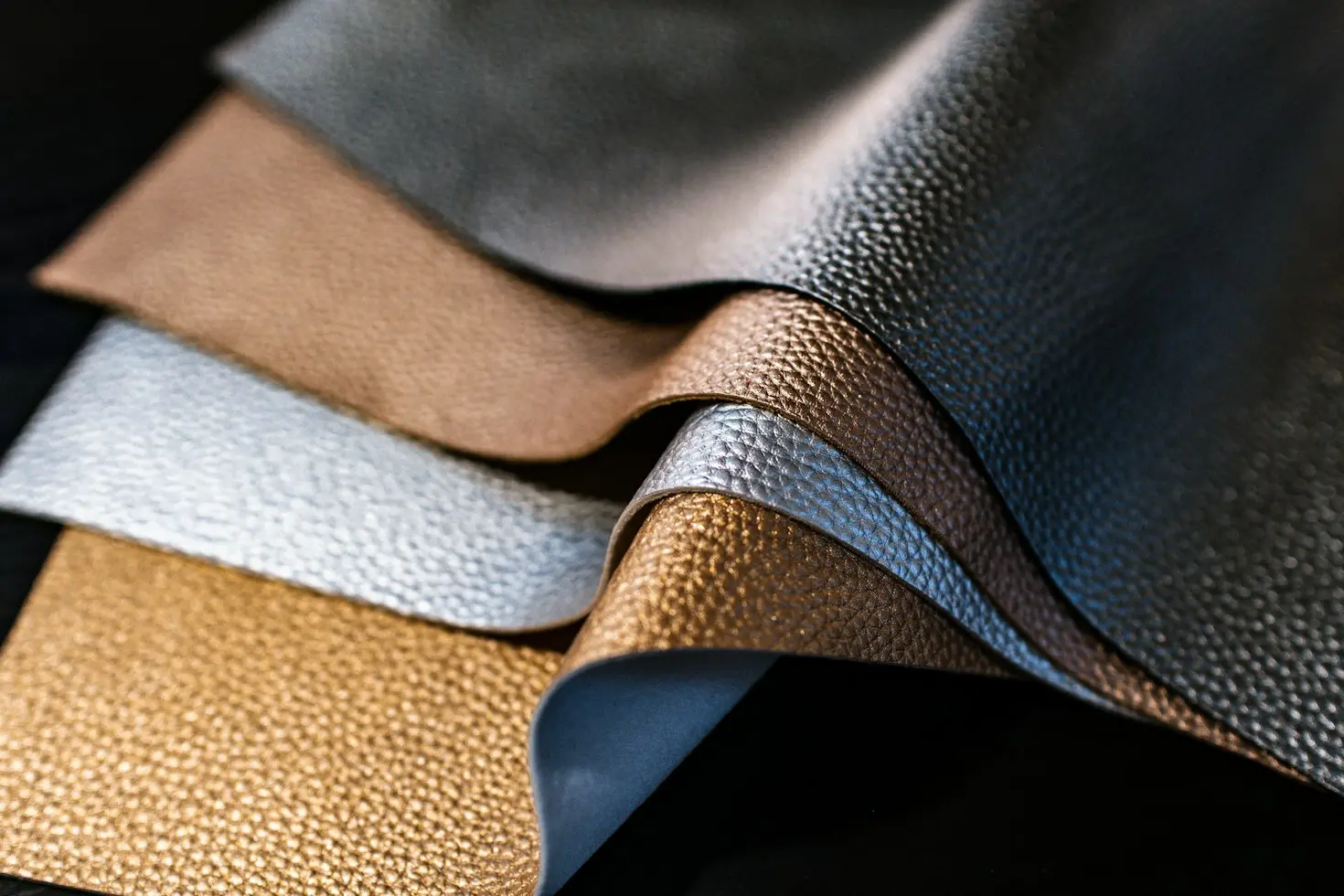
A customer might select COL in order to get a specific grade, color, finish, and/or grain for leather that isn't available in a manufacturer's standard collection.
Types of leather include full-grain, top-grain, corrected-grain, aniline, and semi-aniline. Each one has different characteristics, including how it looks, feels, how it should be cared for, and durability. The manufacturer should verify that the leather selected is appropriate for the design of the furniture prior to manufacturing.
COM vs. COL: Main Differences
| Feature | COM | COL |
| Meaning | (Kundeneigenes Material) | (Kundeneigenes Leder) |
| Main material | Fabric or textile | Leather or hide |
| Common measurement | Linear yards or meters | Square feet or square meters |
| Typical uses | Sofas, chairs, cushions, banquettes, headboards | Seating, sofas, chairs, ottomans, headboards |
| Main concerns | Fabric width, pattern repeat, stretch, direction | Hide size, grain, scars, thickness, stretch |
| Material approval | Required by many manufacturers | Required by many manufacturers |
| Extra material | Often required for patterns and matching | Often required for cutting around natural marks |
| Visual result | Pattern, weave, color, and texture define the look | Grain, finish, color, and natural variation define the look |
While both options offer material flexibility, fabric and leather behave differently during cutting, sewing, stretching, and installation. A COM fabric may require extra yardage because of a stripe or pattern. COL may require extra square footage because leather hides vary in size and can contain natural marks.
How the COM Process Works
The COM process begins with the choice of furniture style and preferred fabric. The manufacturer will then review material information and calculate the amount of material needed.
Most furniture manufacturers estimate material based on standard fabric widths (often 54 inches wide) and with no pattern repeat. If fabric is smaller, or has stripes or plaids, or large patterns, it may need more yards.
A typical COM order follows these steps:
- Select the furniture style and dimensions.
- Choose the fabric from a supplier.
- Submit a fabric sample or specification sheet.
- Confirm fabric width, composition, pattern repeat, and direction.
- Ask the manufacturer to calculate the required quantity.
- Purchase and ship the approved fabric.
- Confirm that the factory has received the material.
- Approve a sample or cutting plan, if required.
- Proceed with upholstery and quality inspection.
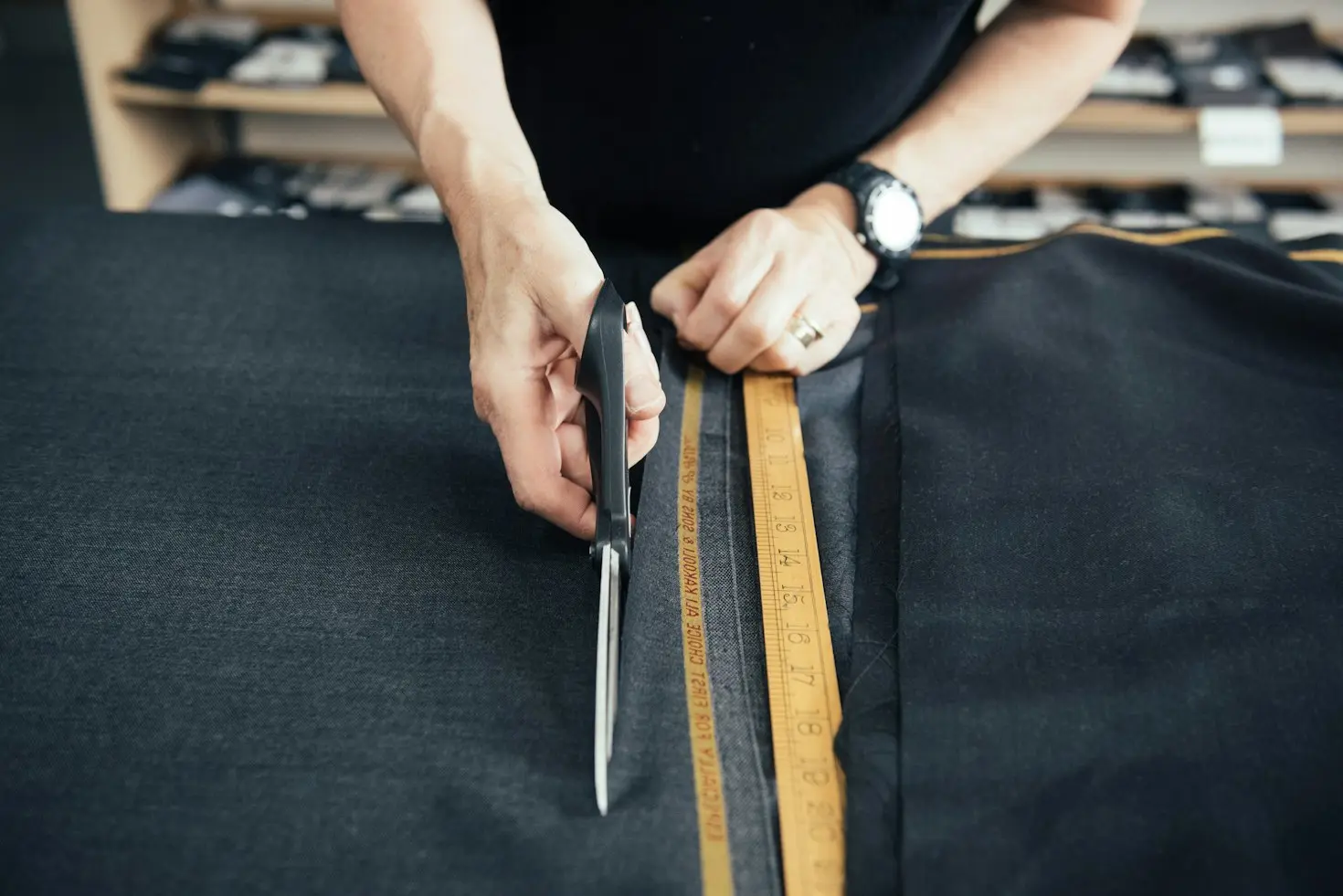
Don't buy fabric based on a generalized online estimate, as the amount of material needed will be different based on the size of the furniture, layout of the cushions, piping, positioning of the pattern, etc., and how the material needs to be cut.
How the COL Process Works
Similar to the COL process but instead of fabric yards the measurement for leather is usually an area, in sq.ft.
Prior to a sale, the customer should give the following information to the manufacturer:
- Leather type and grade
- Hide size and thickness.
- Color and finish.
- Grain characteristics
- Available quantity.
- Performance or fire-rating certifications, if required.
- Supplier information
The manufacturer will determine if the leather will work for your furniture. Some styles might need a more flexible leather to shape to the curve of the surface and other styles might need a heavier hide for added strength.
Different manufacturers will have different formulas for calculating the amount of leather needed. In some cases a manufacturer may use the equivalent of 18 sq.ft. as one yard of fabric and others may use the equivalent of 20 sq.ft. Please follow the formula that the furniture quote gives you.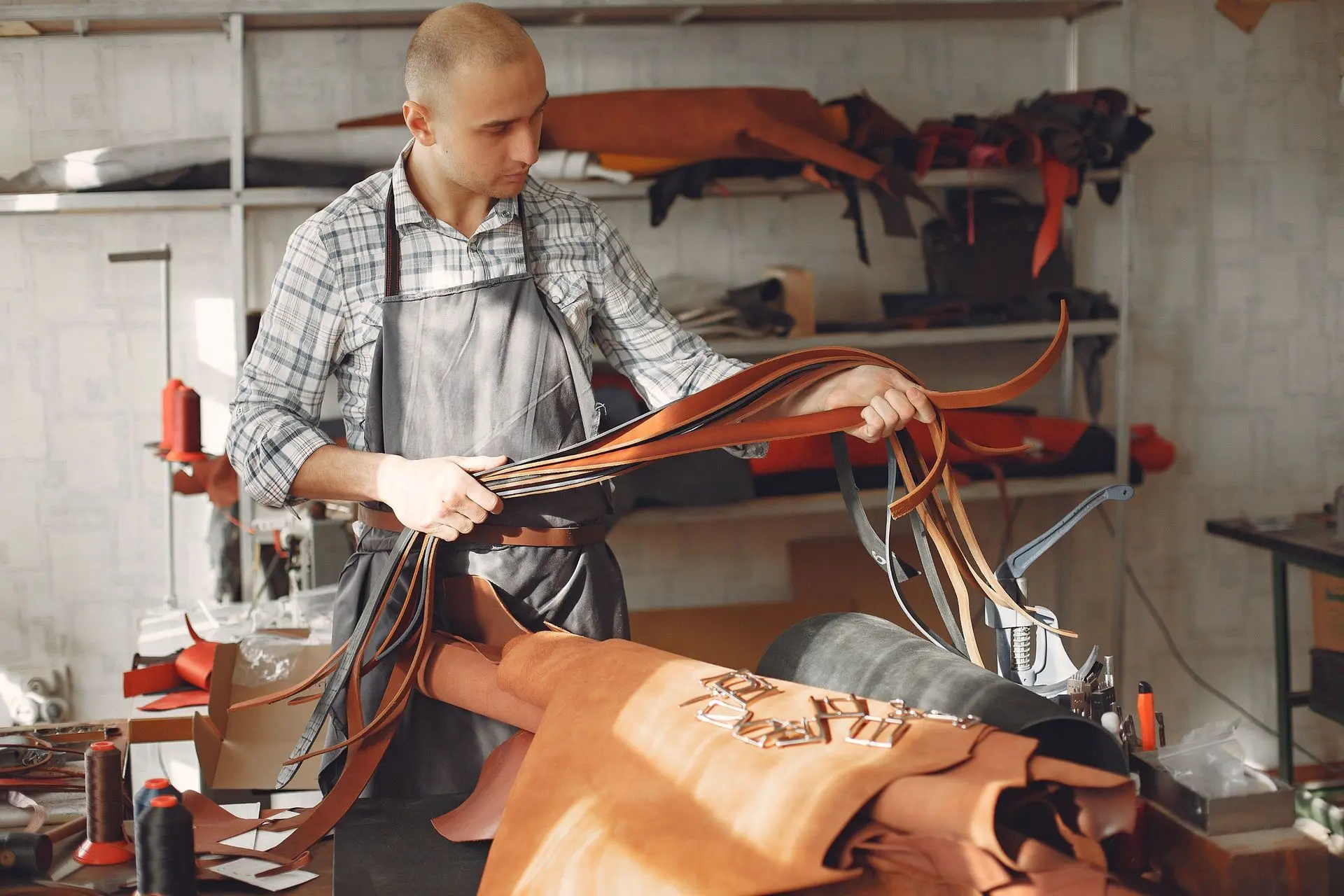
Why Fabric Width and Pattern Repeat Matter
More than furniture dimensions, fabric width and pattern repeat will influence fabric yardage requirements.
Fabric width is the distance measured from one selvage edge to the opposite selvage edge. Many upholstery estimates assume fabric that is 54 inches wide as a standard measurement. Fabrics that are narrower than this standard width may need additional yardage to complete a project.
Fabric pattern repeat refers to the distance, usually measured in inches, before a design or motif repeats. Patterns may have horizontal or vertical repeats, stripes, plaids, or one-way designs.
For patterned COM fabrics, provide the manufacturer with:
- Fabric width.
- Vertical and horizontal repeats.
- Pattern direction.
- Whether the fabric can be railroaded.
- Any requirements for centered patterns or matching seams.
Extra material is necessary for large patterns as the design must be matched up across the cushions, arms, and back panels. Sample and full specifications sheet will enable the factory to work out the amounts correctly.
Benefits of Using COM and COL
Greater design freedom
COM and COL are the materials that the customer offers outside the manufacturer's collection. This is perfect when your project needs colors finishes patterns, or textures.
Better Interior Coordination
Material provided by the customer helps to coordinate furniture with curtains carpets wall coverings, cushions, and other interior furnishings.
Consistent Brand Identity
Preferred fabrics and leathers can be used to carry consistent color and finish throughout chain franchise hotel, restaurant, and commercial properties.
Access to specialty materials
Customers can choose performance fabrics, outdoor textiles, recycled materials, or specific leather finishes not currently available within a furniture collection.
Personalization
Choosing your own upholstery gives custom furniture a distinctive appearance. A particular fabric or leather can transform a standard furniture design into something that better reflects the project's style.
Important Risks and Limitations
COM and COL provide a greater range of material options, but customers also bear greater liabilities.
Material suitability
Not all fabric or leather decorative fabrics are appropriate for upholstery. Look for abrasion resistance, tear strength, flexibility, and backing.
Request the suppliers provide technical specifications including fiber content lightfastness flammability classification, cleaning instructions and suggested use.
Lead time
Custom orders could require additional time for ordering, screening, or handling. Production schedule is subject to change, delay, or otherwise impacted if the factory not only receives but also accepts or approves the materials supplied.
Shipping and handling
It is usually the customer's duty to organize the transportation for delivery to our furniture factory. The materials must be suitably packed to avoid soaking staining wrapping and transport damage. International shipments may include additional customs paperwork and costs.
Warranty conditions
Warranty coverage on furniture constructed with customer supplied material can be different. Some manufacturers will warranty the frame and workmanship, but not the fabric or leather supplied by the customer.
Always review the warranty terms before confirming an order.
Material waste
Unused material might be left after cutting due to pattern matching, natural leather features, or flaws in the material. Check with the manufacturer if unneeded material will be given back after production.
COM and COL in Hospitality Projects
COM and COL are popular choices for hospitality furniture, where hotels, restaurants, lounges, and clubs need upholstery that matches their interior design and brand identity.
Common applications include:
- Performance fabrics for guest-room seating.
- Stain-resistant textile for restaurant booths.
- Commercial-grade leather for lobby sofas.
- Outdoor fabric for poolside furniture.
- Fire-retardant fabric for public areas.
- Branded colors across multiple properties.
Choosing the right material involves more than appearance. Upholstery must also meet the project's durability, cleaning, maintenance, and fire-safety requirements. Fabrics that cannot withstand frequent use or cleaning may wear out quickly.
For hospitality projects sourcing furniture from China, Guangzhou Sourcing helps coordinate with furniture manufacturers, review product specifications, and arrange quality inspections. From custom upholstered seating to hotel and restaurant furniture, we help buyers check that materials and finished products meet their project requirements before shipment.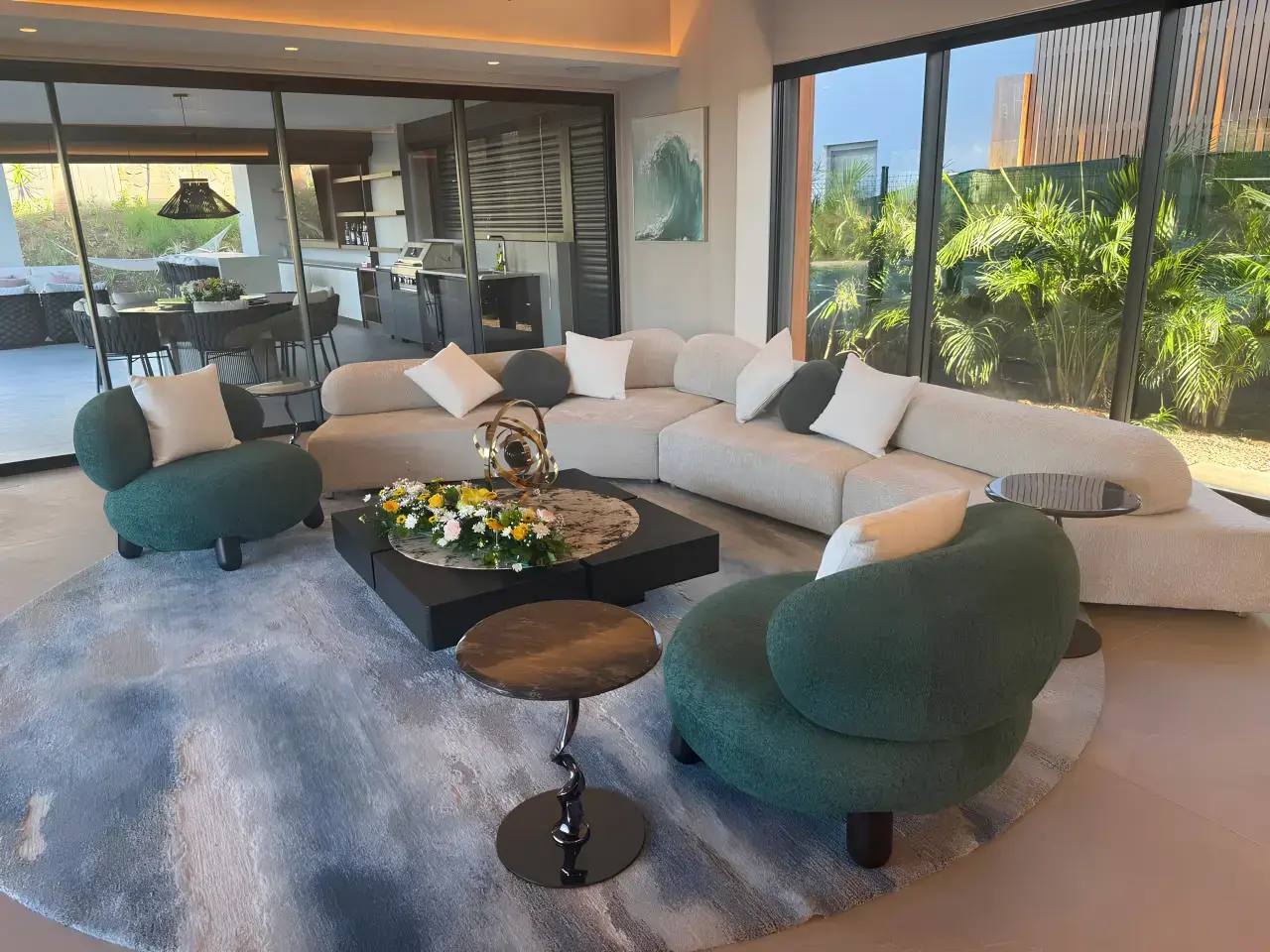
Questions to Ask the Manufacturer
Before sending COM or COL materials, confirm the following with your furniture supplier:
- What fabric width is used for the yardage estimate?
- How much extra material is needed for pattern matching?
- Does the fabric need to be approved before production?
- What performance standards must the material meet?
- How much leather is needed in square feet?
- Are partial rolls or split hides accepted?
- Who covers shipping and customs charges?
- What happens if the material arrives damaged?
- Will unused material be returned?
- Which warranty conditions apply to COM or COL orders?
- Can the manufacturer provide a cutting layout or upholstery sample?
Getting these details confirmed in writing helps prevent costly mistakes, especially for large furniture orders involving multiple suppliers.
Conclusion
COM (Customer's Own Material) and COL (Customer's Own Leather) give customers greater control over the appearance and finish of custom furniture. COM refers to customer-supplied fabric, while COL applies specifically to customer-supplied leather.
Both options are suitable for residential, hospitality, and commercial projects that require specific materials or consistent interior finishes. However, choosing the right upholstery involves more than appearance. Material quality, quantity, pattern matching, shipping, production time, and warranty conditions should all be considered.
For businesses sourcing furniture from China, Guangzhou Sourcing supports international buyers with furniture sourcing, supplier coordination, product specifications, factory inspections, and quality control. Whether you're furnishing a hotel, restaurant, or commercial space, we help coordinate the sourcing process to ensure your furniture meets your project requirements.
Looking for custom furniture manufacturers in China? Contact Guangzhou Sourcing to discuss your project and sourcing needs.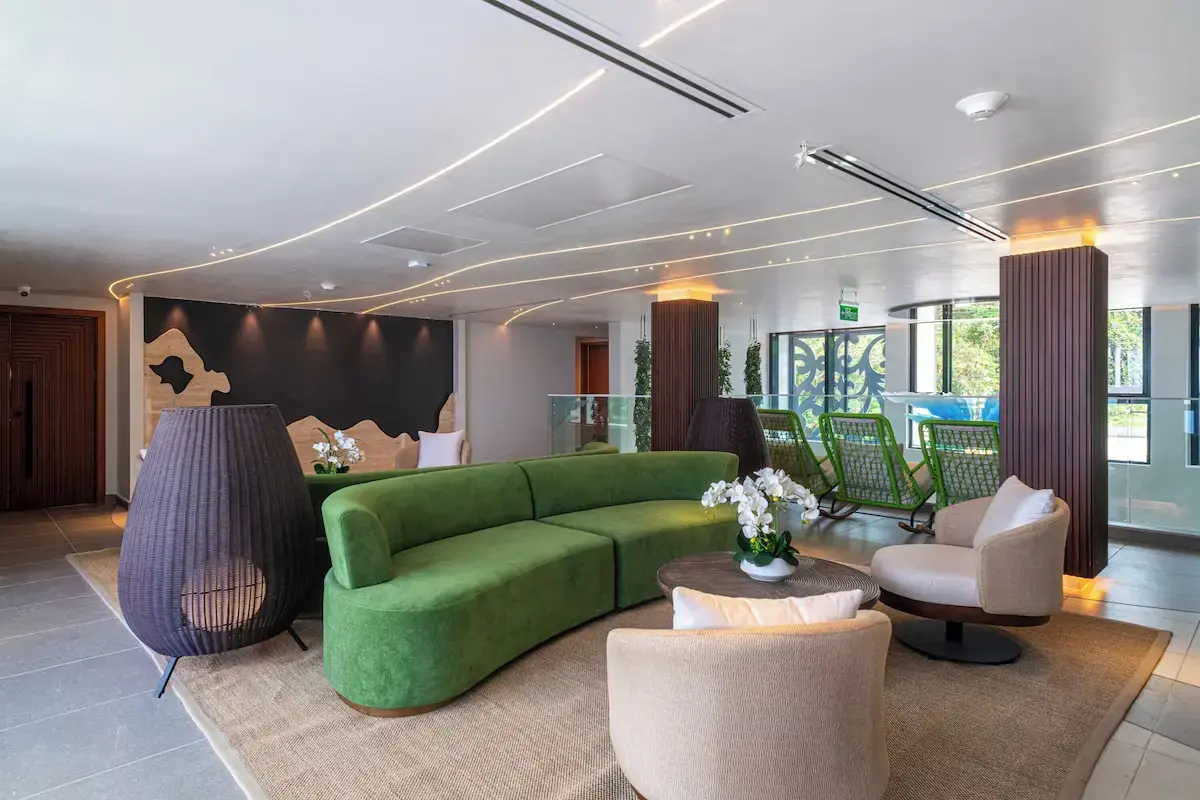
Frequently Asked Questions About COM and COL
1. What is the difference between COM and COL in furniture?
COM (Customer's Own Material) refers to fabric supplied by the customer, while COL (Customer's Own Leather) refers to customer-supplied leather. Both allow buyers to choose upholstery materials outside the manufacturer's standard collection.
2. Can I use any fabric or leather for COM and COL orders?
No. The materials must meet the manufacturer's requirements for upholstery, including durability, thickness, flexibility, and performance. Always submit samples or technical specifications for approval before production.
3. How much fabric or leather is needed for custom furniture?
The quantity depends on the furniture design, dimensions, fabric width, pattern repeat, and cutting requirements. For COL, leather requirements are usually calculated by square footage. Ask the manufacturer to confirm the exact quantity before purchasing.
4. Does using COM or COL affect furniture production time?
Yes. Production may take longer because the manufacturer needs to receive, inspect, and approve the customer-supplied materials. International shipping and customs clearance can also affect delivery schedules.
5. Can I use COM and COL for hotel and commercial furniture projects?
Yes. COM and COL are commonly used for hotel rooms, restaurant seating, lobby furniture, office chairs, and other commercial applications. Choose materials that meet the project's durability, cleaning, maintenance, and fire-safety requirements.