
Natural-fiber rugs add warmth, texture and an ageless appearance to homes and commercial properties. For those seeking natural fibers that can complement various interior aesthetics, Sisal and jute rugs are popular options.
When you're looking for sisal and jute rugs from China, you'll want to think more than just about what they look like and how much they cost. Before you place a bulk order, you should know the differences between these materials, know the right manufacturers, verify the quality of the products, and plan shipping.
This guide will help you to select the appropriate rugs, compare Chinese suppliers, handle customization, and check your rugs before they are shipped. You will also discover how a sourcing partner can make the purchasing process easier and how they can assist you to manage the procurement risks.
Why Source Sisal and Jute Rugs from China?
China allows buyers to tap into a vast network of manufacturing and export resources, product customization, and supplier comparison. There are various rug designs, materials, sizes, production methods, and more to choose from to suit your business needs.
Below are some key considerations to give China for your rug sourcing.
Wide Supplier Network
There are various manufacturers and trading companies that provide natural-fiber rugs and other floor coverings. Comparing suppliers helps you understand their product ranges and capabilities.
But keep in mind that not all suppliers will specialize in both Sisal and Jute. Make sure to verify its product experience before proceeding.
Customization Opportunities
Depending on the equipment and production capacity of Chinese manufacturers, they can provide various options for customization.
For instance, you can ask for:
- Rugs that are cut to fit or made in unique shapes.
- Various types of weave patterns and textures.
- Natural or dyed colors.
- Backing made of cotton or synthetic.
- Various finishes of borders and edges.
These options make it easier to choose rugs that suit your interior design plans.
Competitive Manufacturing Costs
Getting more than one factory quote will enable you to find a balance between price and quality. But don't go with the lowest-priced manufacturer.
Before you make your decision, be sure to look at the fiber grade, weaving quality, backing material, packaging, and shipping costs.
Bulk Production for Commercial Projects
As a hotel, resort, apartment development, or furniture retail owner, you might require more rugs.
A manufacturer who can manage your order size will allow you to have consistent designs and product specifications throughout your project.
Sisal vs. Jute Rugs: Which Material Should You Choose?
Sisal rugs are firmer and tend to be more durable, while jute rugs are softer and have a more natural look. The decision comes down to the room, the amount of foot traffic, comfort, and maintenance.
Now, let's take an in-depth look at both materials.
Sisal Rugs
Sisal is made from the leaves of the agave plant. The fibers are removed from the plants and then made into yarn and woven into various items, such as rugs.
Sisal rugs have a firm, slightly coarse texture. They have high-performance fibers that are good for many dry high-traffic indoor applications.
Main benefits of sisal rugs:
- Durability: Sisal is more likely to resist the wear and tear of everyday use than jute.
- Natural Appearance: It is a neutral color that can be used in modern, traditional, and minimalist interior settings.
- Structured Texture: The texture is structured and provides a neat and tidy look.
- Design Flexibility: Manufacturers can vary the weaving patterns, colors and edge finishes.
But not all environments are suited to sisal. May stain or brown when exposed to moisture and be uncomfortable in bare feet due to its coarse texture. Do not keep in bathrooms or other wet spots.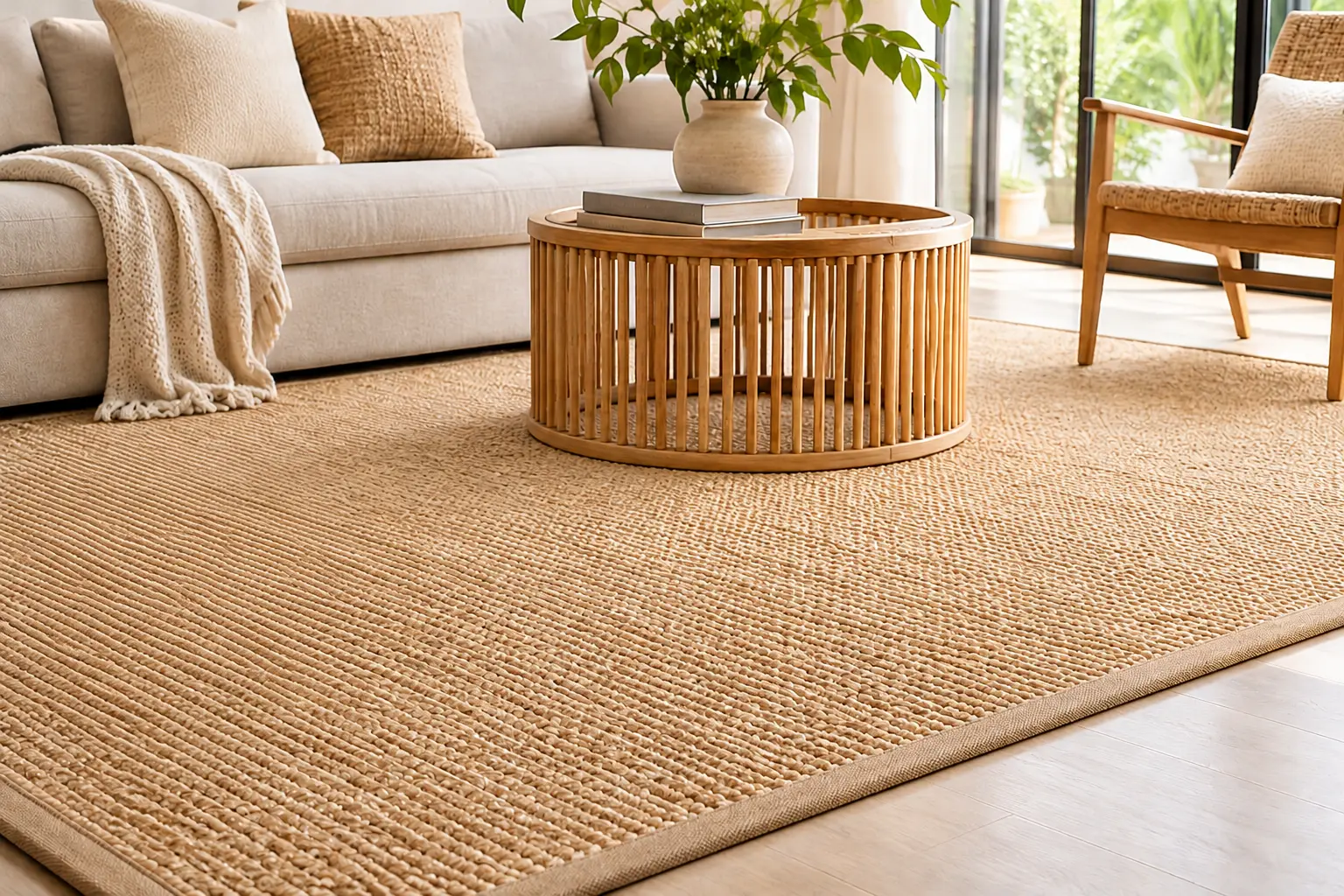
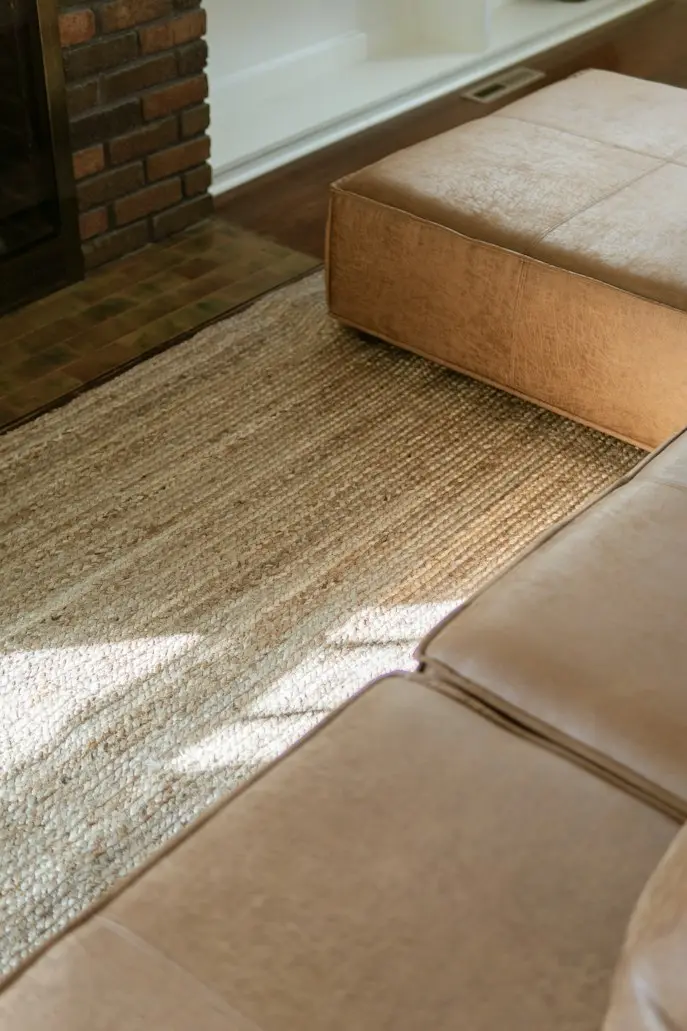
Jute Rugs
The raw material for jute is the stem of the jute plants. The manufacturers separate the fibers, turn them into yarn, and weave them into rugs and other textile products.
Jute rugs are softer than Sisal and have warm, earthy colors. They are ideal for an environment where comfort and natural decoration are more important than rugged performance.
Main benefits of jute rugs:
- Softer Texture: Jute is typically softer to stand on than sisal.
- Natural Colors: It has warm beige and brown tones that will work well with wooden furniture and neutral decor.
- Decorative Appeal: Textured look provides warmth in bedrooms and living rooms.
- Design Variety: There are braided, flat woven and other textured designs.
There are also some disadvantages of jute. It is moisture absorbent and can wear out quicker than sisal in high-traffic areas. So, do not use it in humid rooms or areas where there are a lot of spills.
Key Differences Between Sisal and Jute Rugs
Feature | Sisal Rugs | Jute Rugs |
Fiber Source | Agave leaves | Jute plant stems |
Texture | Firm and coarse | Softer and textured |
Durability | Generally higher | Low to moderate |
Appearance | Structured and natural | Warm and rustic |
Moisture Sensitivity | High | High |
Best Applications | Dry hallways and areas of high traffic | Bedrooms and low traffic areas |
Expert Tip: Sisal is a better option if durability is more important than softness. If you are looking for a softer and more decorative rug for a room that does not see a lot of use, opt for jute. Both materials are unsuitable for use in wet areas.
What Should You Check When Choosing a Sisal or Jute Rug Manufacturer in China?
A good rug company will provide appropriate materials, quality manufacturing, customization options, and good communication. Don't rely solely on online photos or written product descriptions when ordering a product, but check the supplier's actual manufacturing capacity.
Here are some key factors to keep in mind:
Manufacturing Experience
Inquire about the supplier's experience in making natural fiber rugs and what types of materials they have regularly worked with.
Ask for product catalogs, past project samples, and information about its production facilities. These particulars can help you determine if the supplier can fulfill your requirements.
Material Sourcing
Inquire about the source of the manufacturer's sisal and jute fibers. Chinese rug makers can process or weave fibers from other nations.
Test fiber quality, consistency, color, and processing quality. Additionally, request any material information or documentation from the manufacturer.
Production Capabilities
See if the supplier can create your desired sizes, shapes, weaving patterns, and backings.
For instance, a hotel venture could require 200 rugs of the same design but various dimensions. Check the manufacturer's ability to meet the order without any modification to the approved specification.
Quality Management
Inquire about the process of inspection that the supplier follows. A good manufacturer should inspect raw materials and monitor production quality, weaving consistency, dimensions, finishing, and packaging.
Export Experience
Determine if the supplier has experience getting products to your target market. Before placing your order, discuss packaging, export papers, shipping terms and delivery dates.
What Customization Options Can You Request When Sourcing Sisal and Jute Rugs from China?
Natural fiber rugs can be tailored to the size of the project, the decor of your home, the type of fibers you need, and the desired finish. Each of these options, however, requires the manufacturer to have the capacity to produce it and to have the appropriate materials available.
These are the principal customization choices to talk about.
Size and Shape
Different dimensions can be requested based on the project requirements.
Common options include:
- Rectangular area rugs.
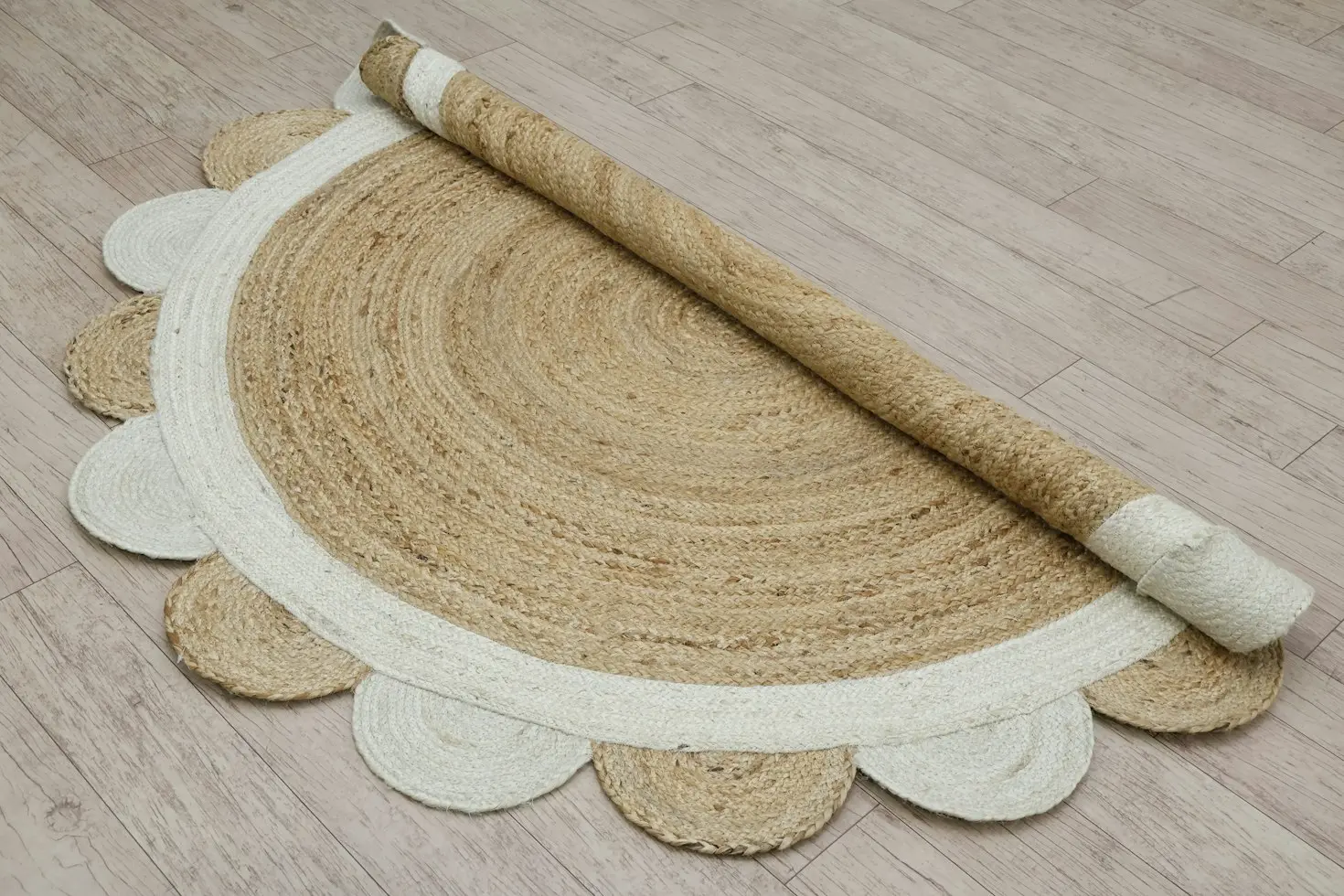
- Round and oval rugs.
- Long hallway runners.
- Rugs of any size for hotel rooms.
- Rugs for commercial buildings and large living room rugs.
For instance, a hotel might require long rugs for hallways and square rugs for the rooms. Specify exact measurements to your supplier before asking for a quote.
Weave styles & patterns
Variations in the weaving process result in varying surface characteristics and looks.
You can explore:
- Flatwoven designs.
- Braided constructions.
- Basketweave patterns.
- Simple geometric textures.
- Mixed natural-fiber designs.
Request samples or close-ups of the products to compare the quality of the weaving.
Colors and Finishes
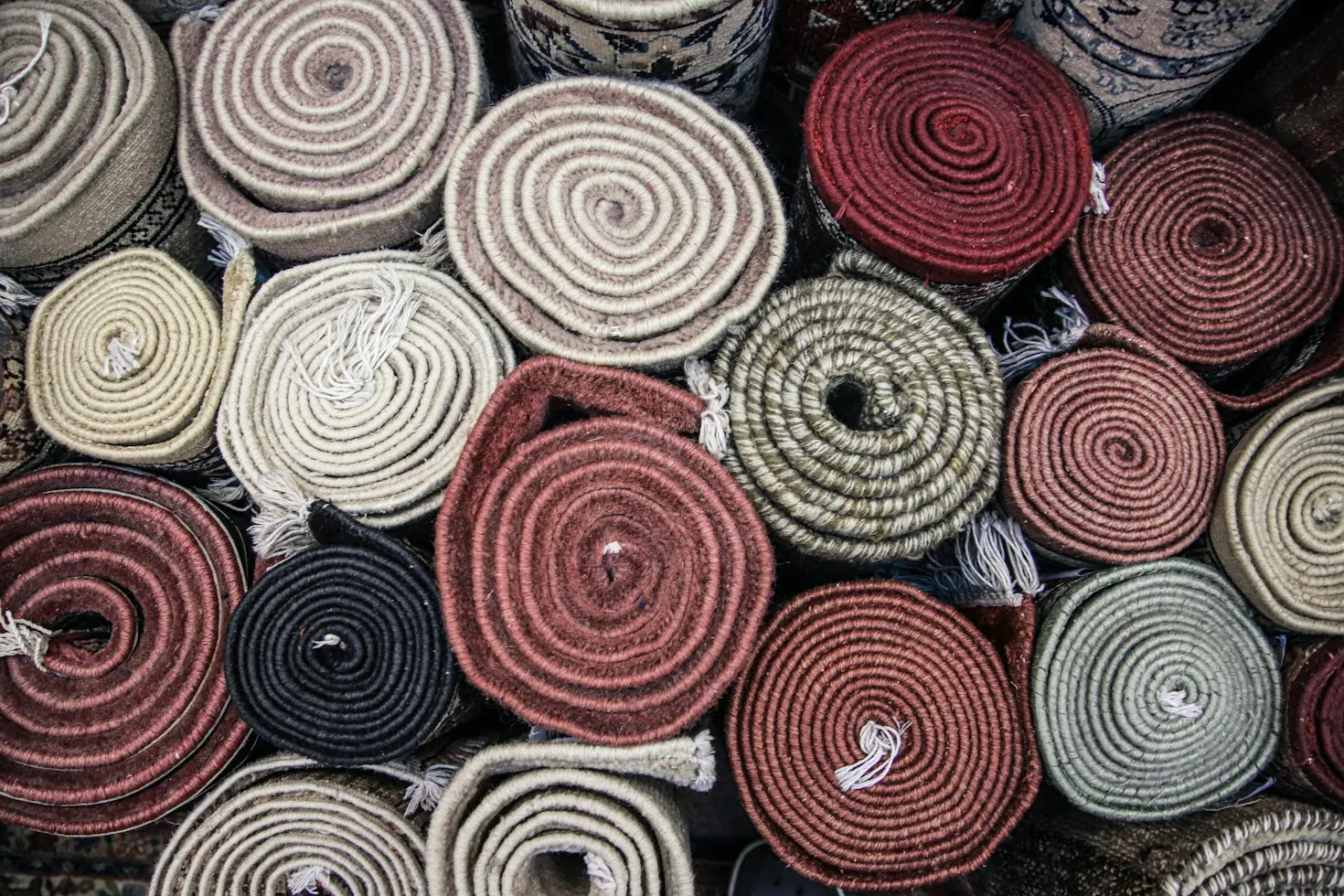
Natural sisal and jute rugs typically come in beige, cream, brown, and tan colors.
Depending on the fiber and manufacturing process, dyed colors and custom patterns can be requested. Please note that the final color may differ from the displayed image and always approve a physical sample.
Backing and Edge Finishing
Backing enhances the stability and adaptability of the rug to various flooring materials.
Inquire for cotton, latex or synthetic backing, depending on the construction of the product. Bound edges, serged finishes, and decorative borders can also be discussed.
How Can You Check Sisal and Jute Rug Quality Before Placing a Bulk Order?
Before approving a bulk order, it is important to check the fiber quality, weaving, dimensions, color consistency, backing and packaging. Ask to see the product in person before ordering to make sure that it meets your needs.
A picture of a rug can't capture all the details of its construction. Make use of these quality checks so that you can make a better purchase.
Fiber Quality
Inspect fibers to see if they are clean, even, and have no excessive loose fibers. Watch for strange-looking colors, broken hair and uneven texture.
Also be sure that the manufacturer is using the material you requested and not replacing it with another natural or synthetic fiber.
Weaving Consistency
Look for any loose threads, gaps, or uneven weaving on the rug's surface.
Feel the surface to see how it feels. Test various parts to see if the manufacturer has a consistent finish.
Color Consistency
There may be some natural shade variations in natural fibers. But there can be significant variations between rugs in the same order, which can cause issues in commercial projects.
Ask for a sample of color and agree to a range of color before production.
Dimensions and Shape
Measure and compare the sample to your approved sample.
Check:
- Length and width.
- Thickness.
- Edge alignment.
- Shape and corners.
- Dimensional consistency.
For instance, if you order 100 rugs of 200 × 300 cm, ensure that your supplier is aware of the agreed rug size and tolerances of measurement.
Backing Quality
Test to see if the backing is securely attached to the rug. Check for peeling, uneven application, or edges that are damaged.
If a non-slip backing is required for your project, request the supplier to describe what it is and how it performs. Don't expect all backings to offer the same degree of traction.
Moisture and Packaging
Natural fibers will absorb moisture; therefore, storage and packaging are important.
Request your manufacturer to protect and keep rugs dry. Inspect for moisture, odors and mold before accepting shipment.
Expert Tip: Draw up a written inspection checklist, which you can give your supplier before production. This provides clarity of the expected quality for all.
What Affects the Cost of Sourcing Sisal and Jute Rugs from China?
China sisal and jute rugs' prices are influenced by fiber quality, size, weaving pattern, quantity, customization, and freight. It's the overall purchasing price that needs to be compared, not just the factory price.
Let's get to know the key cost drivers.
Fiber Type and Quality
The price may vary depending on the fiber type and processing techniques. The price of sisal and jute is also different due to the different properties of the materials and their availability.
Request suppliers to clarify the specifications of the materials in their quotes.
Rug Dimensions
The larger the rug, the more raw material and time that will be needed to make it. There can also be extra cutting, weaving, or finishing that can be needed for a custom-sized rug.
Weaving and Design Complexity
Simple flatwoven rugs might be less expensive than rugs with intricate patterns, detailed borders, or unique construction.
When a custom design is required, request the manufacturer to break out material and custom costs in the quote.
Order Quantity
Manufacturers can provide various unit prices for different order quantities.
A distributor might offer a different price for 50 rugs, 200 rugs, and 500 rugs, for instance. Check to see if these quantities match your project requirements and storage capacity.
Customization and Finishing
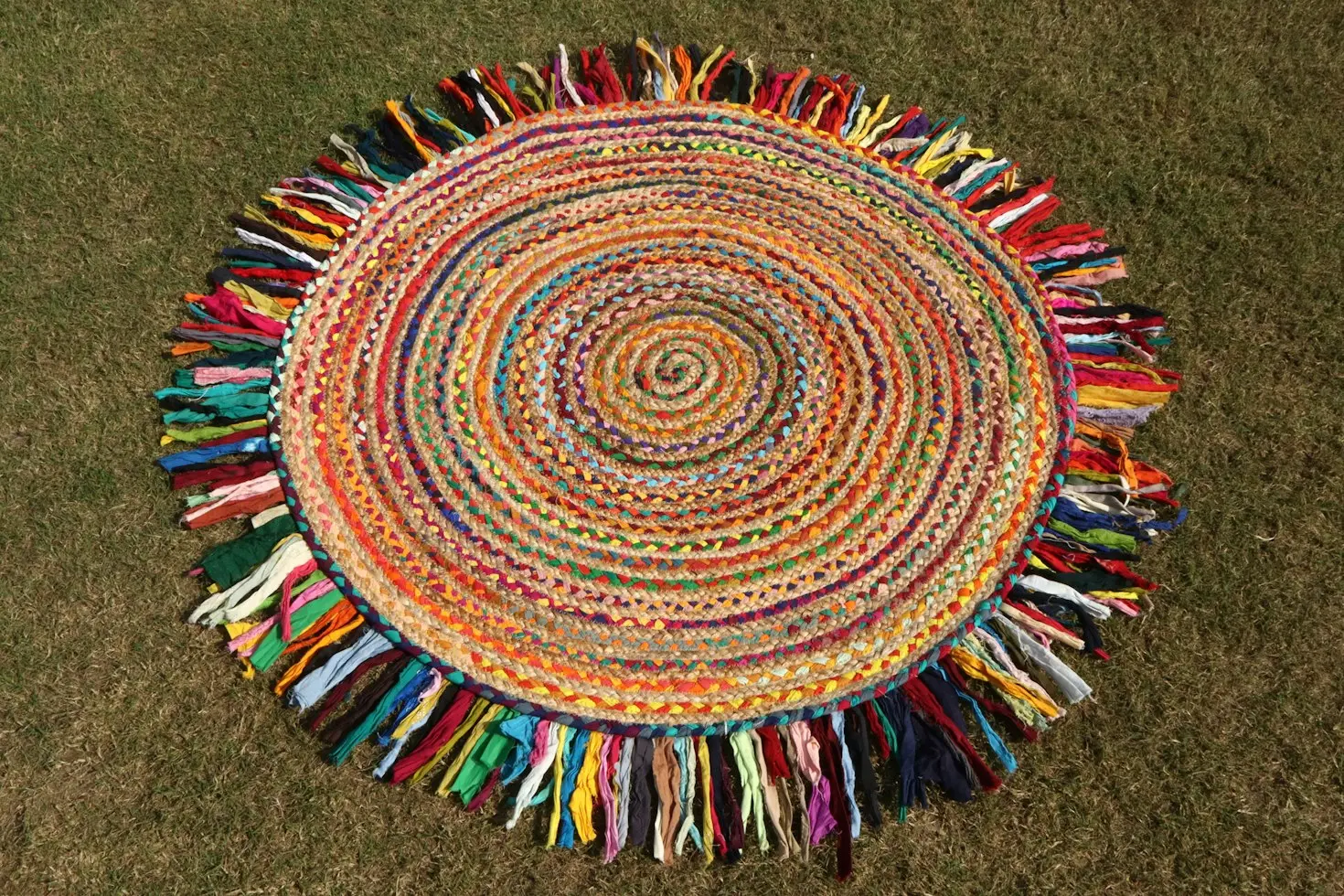
Special colors, backing materials, edge treatments, and packaging can add to the final cost.
Request vendors to break them down and let you know where your money is going.
Packaging and Shipping
Also consider adding to your procurement budget:
- Factory packaging.
- Transportation within China.
- Export documentation.
- International freight.
- If applicable, cargo insurance.
- Duties and destination charges.
- Final delivery.
Expert Tip: Ask all suppliers for a quote based on the same specifications. The price of one manufacturer quoting for a basic rug and another manufacturer quoting for a custom rug with backing cannot be compared.
How Do You Manage Production, Quality Control, and Shipping from China?
By following a clear process, you can better manage the rug procurement process from China, which involves defining your requirements, selecting suppliers, approving samples, monitoring production, inspecting finished products, and arranging shipping.
The following is a description of each stage.
Step 1: Define Your Rug Specifications
The first step is to create a comprehensive product requirement sheet.
Include:
- Fiber type and quality.
- Rug size and thickness.
- Weaving style and design.
- Color requirements.
- Backing material.
- Edge finishing.
- Order quantity.
- Packaging requirements.
- Specifications eliminate confusion when manufacturing.
Step 2: Find and Evaluate Suitable Suppliers
Shortlist manufacturers who can fulfill your product needs.
Make comparisons on their product experience, factory capacity, quotations, MOQs, production schedule etc.
It is also advisable to know their business background and whether they are manufacturing companies or trading companies.
Step 3: Request and Approve Samples
Have samples submitted by shortlisted suppliers before placing a bulk order.
Test the fiber texture, weaving, color, size, backing and finishing. After you approve a sample, you can take it as your reference for the bulk production order.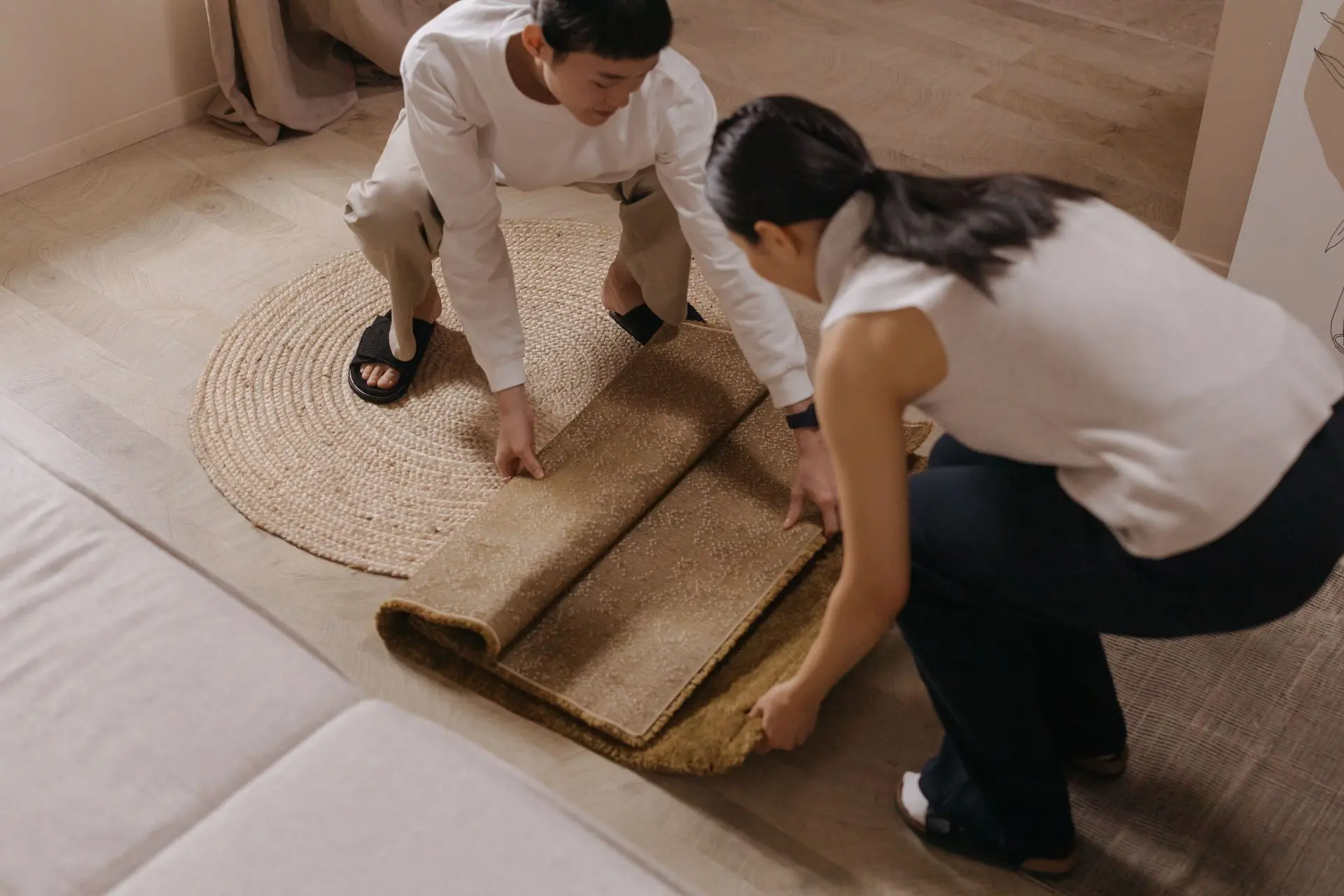
Step 4: Monitor Manufacturing
Maintain communication with the supplier during production.
Request updates of progress and verify that the manufacturer is adhering to approved specifications. If you're ordering a lot of items, schedule an in process inspection to find out if there are issues before the factory finishes the whole order.
Step 5: Conduct Quality Inspections
Check finished rugs prior to shipping.
Your inspection should cover:
- Fiber and material requirements.
- Weave and surface.
- Dimensions and shape.
- Color and finishing.
- Backing quality and edges.
- Order quantity.
- Packaging condition.
Pre-shipment inspection is a chance to solve the defects prior to the products leaving China.
Step 6: Coordinate International Shipping
Select a shipping option based on your shipping volume, shipping destination and shipping budget.
Shipping Method | Best For | Main Advantage |
Large orders | Dedicated container space | |
Smaller orders | Share space within containers with other shipments. |
Also, it is important to know the shipping terms of your quotation.
For instance, FOB usually means the seller has to place the goods on board the ship at the agreed port, and CIF means the seller has to pay for the goods, insurance, and freight to the port of destination.
Both parties should agree to responsibilities before signing the purchase agreement.
What Common Mistakes Should You Avoid When Sourcing Sisal and Jute Rugs from China?
Common sourcing pitfalls are selecting suppliers by price alone, not taking samples, overlooking material requirements, and not checking products before they're shipped. These issues can drive up costs and cause delays once your goods have arrived.
Don't make these mistakes when ordering.
Choosing the Cheapest Supplier
A low quote could be accompanied by low fiber quality, poor backing or inconsistent finishing.
Please check the full manufacturing conditions and product specifications before deciding.
Ordering Without Samples
The photographs of the products cannot accurately depict the texture, thickness, or weaving quality.
Never order any quantity without first asking for and accepting a sample.
Ignoring Material Differences
Sisal and jute vary in texture, durability, and moisture sensitivity.
The material you select for a bustling hotel lobby or a bedroom might not be exactly what you want if you select the wrong one.
Providing Incomplete Specifications
Ambiguous dimensions, colors, and backing and finishing specifications can result in the wrong products.
Draw up a full specification sheet and check all the relevant details with the manufacturer.
Skipping Quality Inspections
Never take for granted that a supplier will be able to deliver the same quality over a large production order.
Arrange suitable inspections to check the finished goods against your approved sample and specifications.
Forgetting Shipping and Import Costs
The prices quoted are factory prices and may not be final purchase prices.
Always determine freight, insurance, customs, local transport, and other charges prior to order confirmation.
How Can Guangzhou Sourcing Help You Procure Rugs from China?
It can take a lot of time to manage a number of suppliers, compare quotations, verify product quality and coordinate shipping. A China sourcing partner can help you with all of these activities and take care of the procurement process better.
We provide international buyers with supplier sourcing, supplier due diligence, price negotiation, sample coordination, quality control, and logistics management services.
Our sourcing support comprises the following services:
Supplier Identification and Verification
We find potential suppliers based on your product specifications, order quantity, and project requirements.
Supplier due diligence is also conducted to assess business backgrounds, manufacturing facilities, and production capabilities.
Price Negotiation
At Guangzhou Sourcing, we check out supplier quotes and bargain the purchase conditions, such as price, payment terms, etc.
We help you understand the differences between supplier offers to make informed purchasing choices.
Coordination
We arrange product samples and relay your needs to the potential manufacturers at Guangzhou Sourcing.
We make sure you don't overlook key information before you proceed to bulk production.
Production Monitoring
We arrange to follow up on the production process and confirm if the supplier is satisfying your agreed production requirements.
We help maintain communication throughout the manufacturing process.
Quality Control
Quality inspection is conducted to verify product specifications, workmanship, finishing, quantities, and packaging at Guangzhou Sourcing.
We assist you to detect potential problems before your products are shipped from China.
Logistics and Shipping Coordination
As for shipping, we will arrange shipping, including FCL, LCL, and container consolidation when necessary.
We take care of the logistics process and link the various stages of procurement so that you can manage your China orders more efficiently.
Our goal is to support every stage of sourcing while keeping your purchasing needs and quality expectations in focus.
Conclusion: Source Quality Sisal and Jute Rugs from China with Confidence
When purchasing sisal and jute rugs from China, one must plan carefully, select the appropriate materials, and coordinate with suppliers. Make manufacturer comparisons, sample checks, verify product details, and schedule quality checks prior to ordering. These measures will prevent you from some pitfalls in the buying process and ensure the quality of the product.
At Guangzhou Sourcing, we assist businesses in handling their China procurement needs, whether it involves identifying suppliers, verifying factories, negotiating prices, quality control, or international logistics. Contact us today and talk about your rug sourcing needs and receive help finding the right rug suppliers for your next project.
Frequently Asked Questions
1. Is China a good place to source sisal and jute rugs?
Yes, China is a great choice for companies seeking natural fiber rugs, various designs, and customization services. It is advisable to compare different manufacturers, the quality of their materials, and their production capacity before ordering.
2. What is the difference between sisal and jute rugs?
Sisal rugs tend to be stiffer and more durable, while jute rugs are softer and more casual. Sisal is suitable for dry and high-traffic areas, while jute is good for bedrooms and other relatively low-traffic spaces.
3. Can I order custom-sized sisal and jute rugs from Chinese manufacturers?
Yes, there are many rug manufacturers who can customize the rugs as per their manufacturing capacity. Specific dimensions, shapes, colors, weaving patterns, backing materials, and edge finishes can be requested. Always check options and samples before bulk production.
4. How can I check the quality of sisal and jute rugs before importing them from China?
Ask for samples and check the quality of the fiber, the consistency of the weave, the size, the color, the backing and the finishing. Also, make sure that you set up a pre-shipment inspection to ensure that the work done on the order is to your approved specifications.
5. What is the MOQ for sourcing sisal and jute rugs from China?
The minimum order quantity (MOQ) varies from manufacturer to manufacturer, rug design, material, and customization needs. Depending on the supplier, smaller orders of standard designs may be accepted and larger quantities may be required for custom designs. Contact multiple suppliers to find out their MOQ and compare the terms before ordering.