
Low-E glass has become one of the most sought-after types of glass in residential, commercial and hospitality properties like hotels, office buildings, apartments, and private homes with the biggest reason being energy efficiency. That is also something important in construction. Apart from energy use, the choice of windows can also be a big influence on occupant comfort and long-term operating costs.
The special feature of Low-E or Low-Emissivity, glass is its thermal performance; it reduces the transfer of heat that occurs through windows. Thanks to its high-tech coating, Low-E glass not only keeps the temperature down in the summer and up in winter but also ensures the occupants of the building are comfortable and saves on energy costs.
In the world, it is a major player in the production of Low-E windows and architectural glass products. Chinese suppliers with their quality production, low costs, and extensive experience in export, energy-efficient glass solutions can be found in projects all over North America, Europe, Australia, the Middle East, and Southeast Asia.
Here, you will understand more about Low-E glass including the benefits, main features, the different types, and sourcing high-quality Low-E windows from China.
What Is Low-E Glass?
Low-E glass is a type of glass that is highly energy efficient. It includes a very thin and transparent layer of metal or metallic oxide applied in its surface. This unique coating works by reducing heat transfer but still letting daylight come through the glass.
Glass without any coating will generally transmit quite a lot of heat into or out of a building. But with Low-E coated glass, you get a highly see-through type of glass, but one that is capable of reflecting infrared rays. This way, one can maintain a more consistent indoor temperature throughout the year.
At first glance, the coating cannot really be seen with a human eye, so architects and designers are also able to enjoy the benefits of natural light without compromising visual appeal. Because of the growing role of sustainability and energy performance in building codes, the use of Low-E glass has become a routine requirement in many construction works.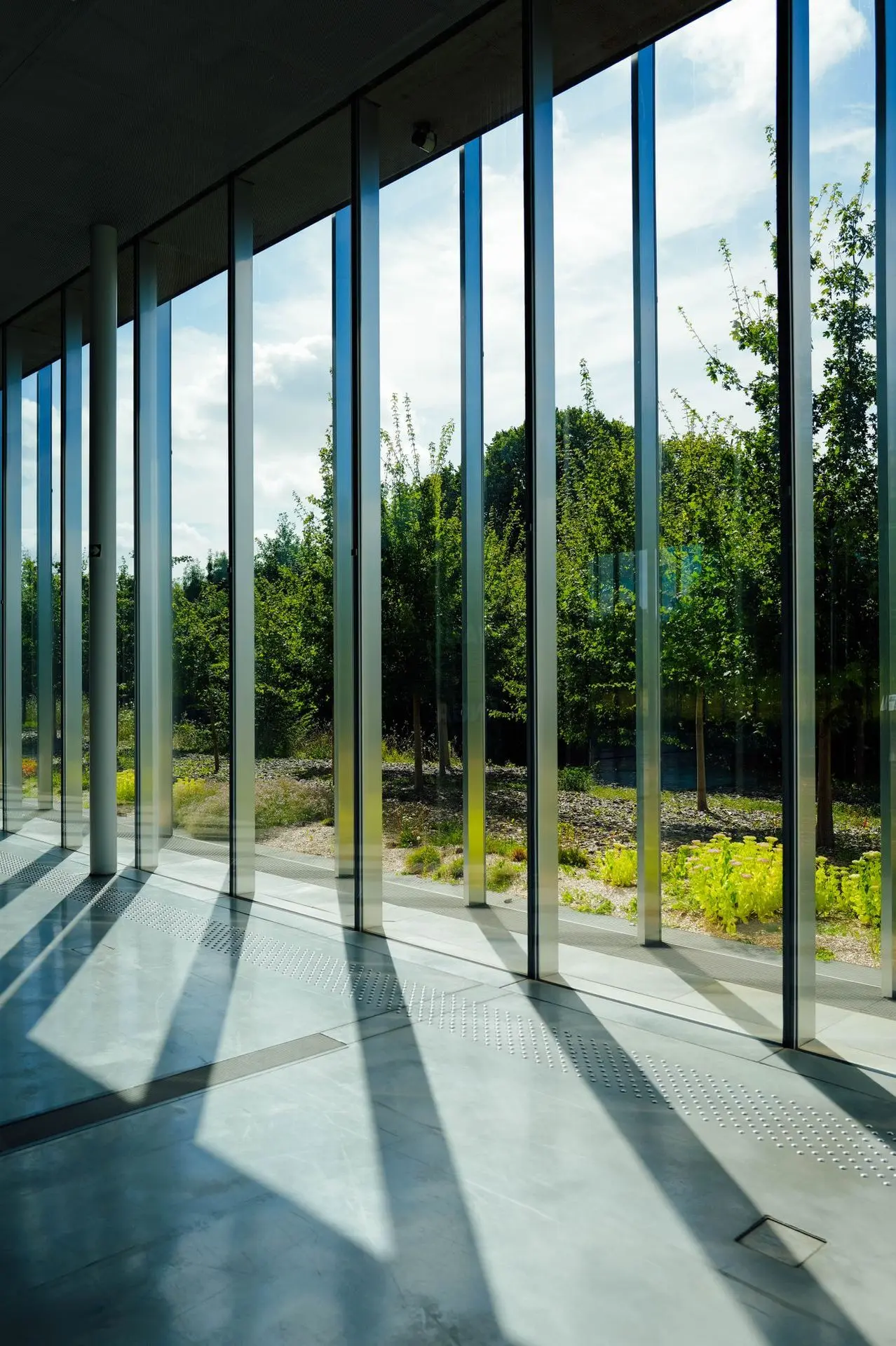
How Does Low-E Glass Work?
While Low-E glass is highly effective, the principle behind the technology itself is quite straightforward.
The metal coating on the glass reflects the infrared heat while allowing visible light to pass through. During winter, the indoor heat is reflected back inside the building, and heat loss through windows is reduced. In summer, it acts by bouncing off the solar heat, which means the building gets less unwanted heat.
This way, indoor temperatures can be kept more stable, and this in turn reduces the amount of heating and cooling that the HVAC systems need to do. So, energy consumption is less and the cost of running the building is also lower.
Nowadays, most Low-E windows are insulated glass units (IGUs). These type of windows usually have two or more glass panels separated by an air or gas layer. This offers great thermal insulation and enhances energy efficiency to a great extent.
Key Features of Low-E Glass
Low-E glass offers many performance features that make it an important part of today’s building projects.
Thin coating technology
Low-E glass is characterized by a microscopically thin coating. This invisible film of transparent metal or metal oxide acts as a thermal barrier while still allowing light to pass through.
High transparency and low reflectivity
Modern Low-E glasses allow a good amount of natural light inside while still blocking glare and mirror reflection. This way the indoor environment is well lit and visually comfortable without being too bright due to direct sunlight.
Cutting-Edge Manufacturing
Premium Low-E glass is produced by vacuum sputtering coating machines that apply several tiny layers of metal on the glass film. This technique also makes sure that the glass is consistently of high quality and durable over a long period.
Double silver and triple silver options
There are many varieties of Low-E products with different levels of performance features. Double silver Low-E IGUs offer great insulation against heat loss and also solar control, whereas triple silver Low-E are used to achieve maximum energy efficiency even in very demanding projects.
Tempered and laminated options
Low-E coatings can also be used with tempered or laminated glass. Tempered Low-E glass provides strength and safety. Laminated Low-E glass provides security and sound insulation.
Benefits of Low-E Glass
Low-e glass offers numerous significant advantages to building owners and occupants.
Improved energy efficiency
Something important that leads developers to pick Low-E windows is their capacity to drastically reduce heat transfer. The special coating works to retain warm air inside during the winter while limiting heat entering in the summer, which decreases the need for HVAC systems and cuts down energy costs.
Enhanced comfort
Having large glass surfaces can cause the creation of hot and cold spots in a building. With the help of Low-E glass these temperature fluctuations get reduced leading to a consistently comfortable indoor environment throughout the year.
Lower heating and cooling expenses
Better insulation is one of the key features of Low-E glass, which usually results in less energy consumption when it comes to heating and cooling the buildings. As time passes these savings can be quite significant not only for property owners but also for developers.
UV-Protection
Low E Glass is effectively capable of blocking a very high fraction of harmful UV rays. Greatly reduces the damage to furniture floor curtains and artwork caused by direct sunlight.
Reduced glare and better natural light
Low-E glass presents the dual advantage of bringing in natural daylight as well as cutting down the glare. This results in a more pleasant and brighter interior without the downside of excessive sunlight.
Less condensation
In properly sealed insulated glass units, low-E windows can help keep the inside glass surface warmer during cold weather, reducing condensation.
Improved sound insulation
Double and triple glazed Low-E windows can also improve acoustical performance. This is especially helpful for hotels, apartments, office buildings and projects near busy roads or airports.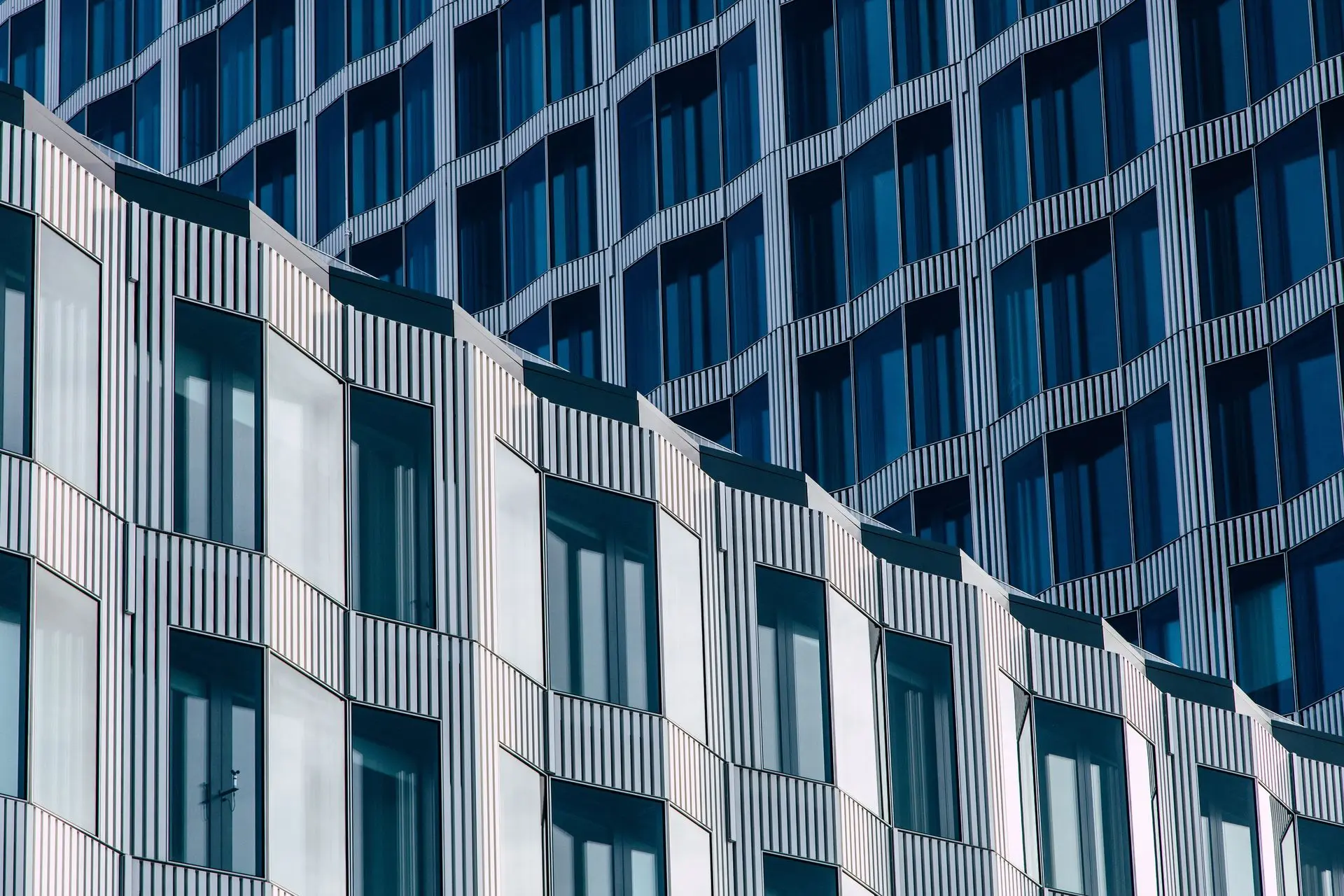
Common Applications of Low-E Glass
Low-E glass is a popular choice in different kinds of buildings since it not only makes buildings more sustainable but also allows daylight to enter their spaces. Residential windows, hotel building exteriors, office towers, curtain walls, skylights and patio doors are the most common uses of this product. These applications benefit a lot from enhanced thermal performance, glare reduction and elevated comfort levels.
On top of that, the main areas of application for low-E glass are commercial and hospitality sectors as the glass not only helps in cooling the building but also blocks the UV rays thereby protecting the interior decor. Besides this, if your project is located near a loud highway or airport and you want to improve sound insulation then going for double- or triple-glazed systems is an excellent choice.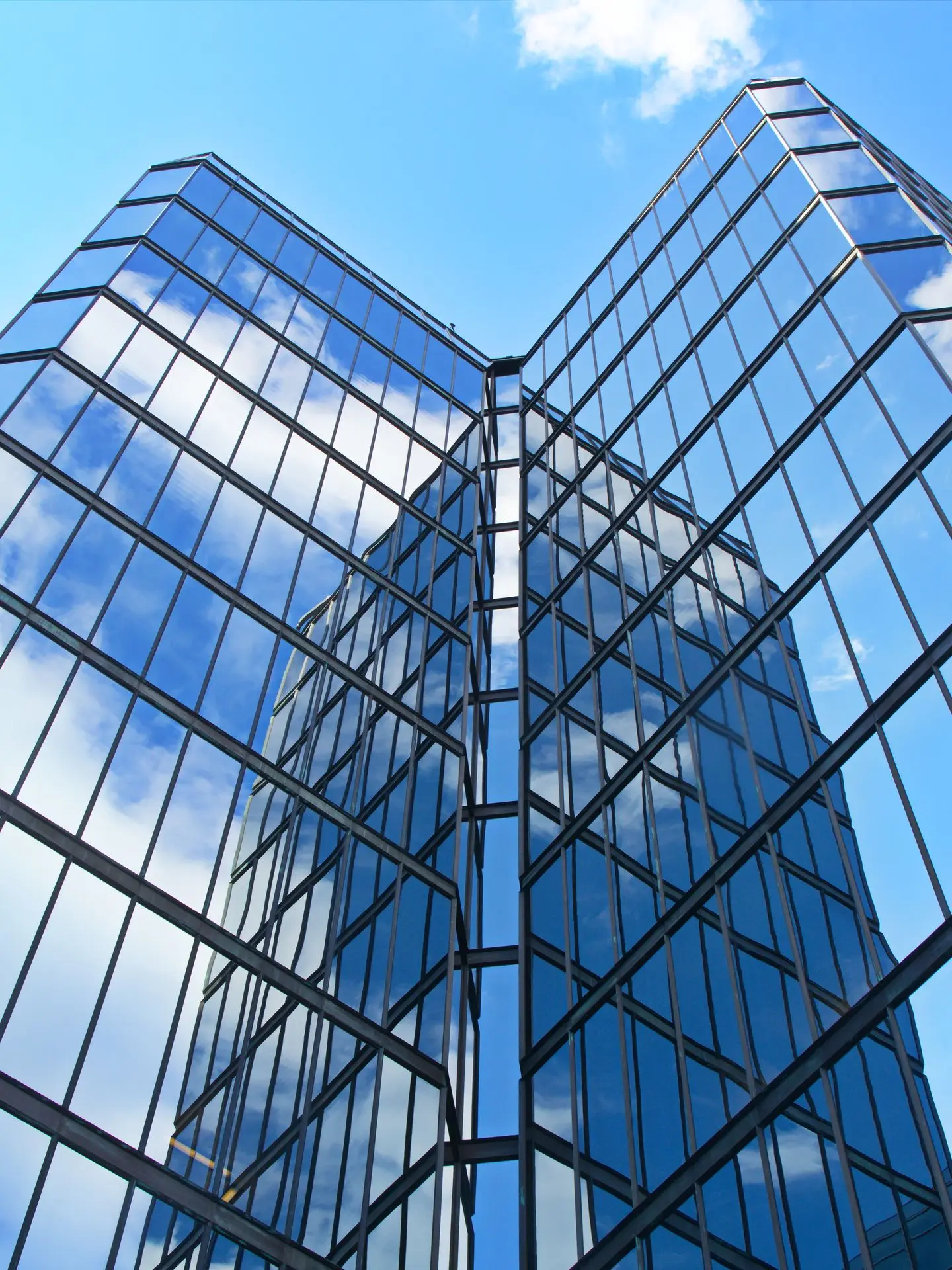
Why Source Low-E Glass from China?
Being a leading manufacturer and exporter of glass products worldwide, China offers buyers an excellent opportunity for price, scale and product availability.
Availability of raw materials
China is rich in the natural resources required for glass production like silica, limestone and soda ash. This not only helps keep the production cost low but also allows for stable supply.
Large production capacity
There are many Chinese manufacturers of Low-E glass that produce at a large scale, having exposure to advanced production lines and coating systems. Because of this, they are able to undertake both smaller and larger projects with a steady output.
Competitive Prices
Low-E glass from China is often cheaper than many alternatives because it’s easier to manufacture and less labor intensive. This is a big plus for buyers dealing with large orders or tight budgets.
Experience in export
Many supplier in China have built up working relationships with international buyers. They understand export packaging, shipping procedures and documentation which can be a major source of cross border procurement facilitation issues.
Quality assurance
Excellent manufacturers have very rigorous quality control measures and also possess certifications like ISO 9001, CE Compliance, ASTM compliance, etc. Being able to meet these standards ensures the consistent, safe and high-performance products.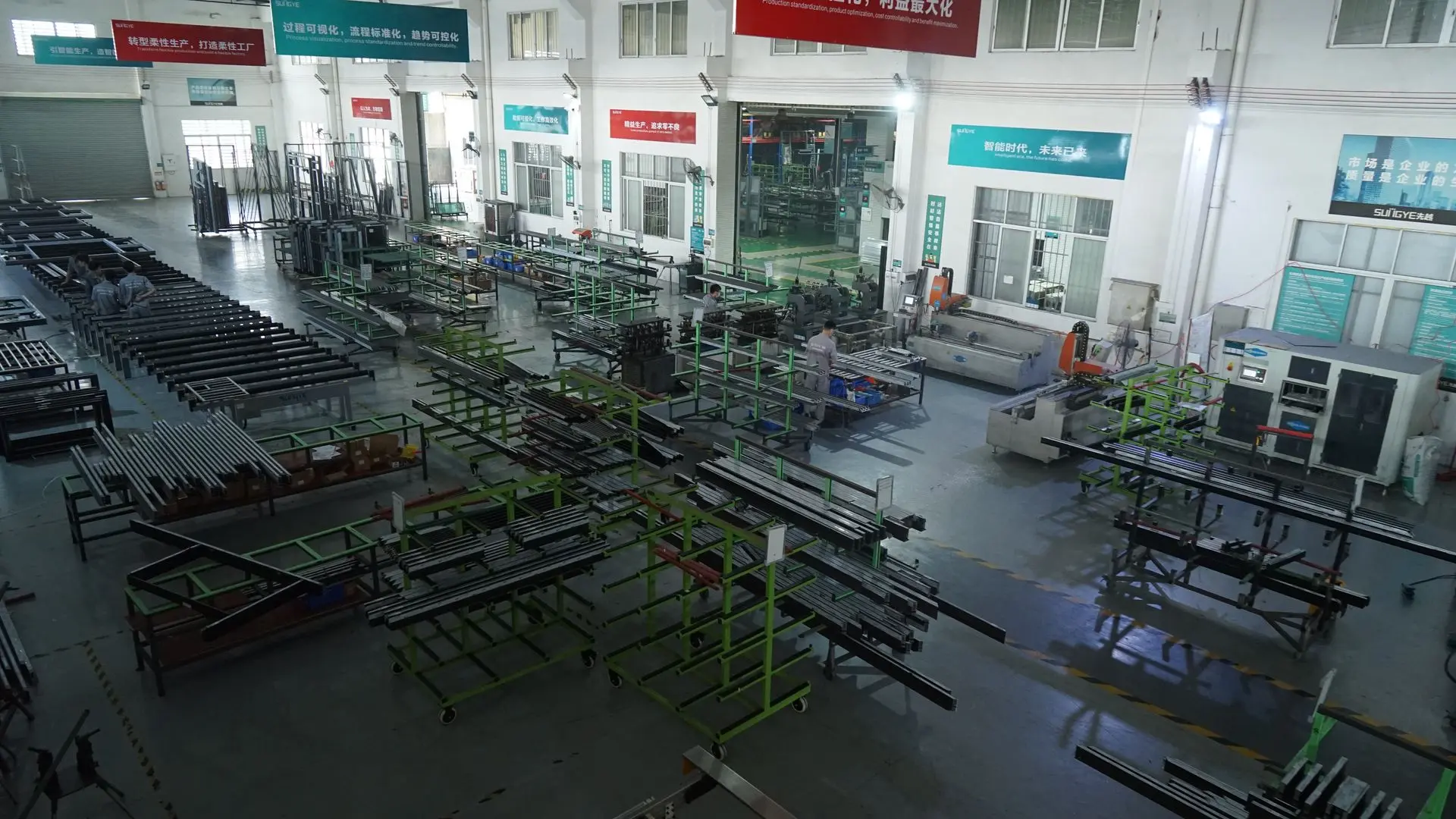
Why Work with Guangzhou Sourcing
Working with a China sourcing agency is one of the best ways for international buyers to make the whole procurement experience a piece of cake. These companies will locate for you the reliable manufacturers, give you price quotations, verify the authenticity of the products and deal with suppliers.
This also becomes very important when you are sourcing items that require high technical accuracy and precision like Low-E windows for example, product specifications and quality standards have to be conveyed only in the clearest terms so there is no room for misunderstanding or mistakes In particular when dealing internationally. Besides that, conducting factory audits, checking samples, negotiating and booking shipments can also be done through them. Not having a team locally in China can be a major disadvantage but having a purchaser's counterpart there must be your choice because a sourcing partner can help you mitigate risk, save time and overall make your project run smoothly.
Because of this, the entire buying process becomes much simpler and less stressful.
Quality Control When Sourcing Low-E Windows
When you source Low-E windows from China, quality control should be one of the key focus areas. These types of glass windows are typically used in energy efficient buildings. Even a minor defect in the coating, seal or thickness of the glass can greatly impact the performance of the product. To be on the safe side, buyers should ask for technical data sheets, test reports as well as production samples before making any large order.
But, it is also essential that the glass is examined at various stages of production. Defect reduction can be a lot achieved by conducting pre-production checks, in-line inspections, and final pre-shipment inspections. When it comes to large-scale projects, bringing in third-party inspection teams for a double layer of protection and to instill greater trust in product quality among buyers, is definitely a great idea.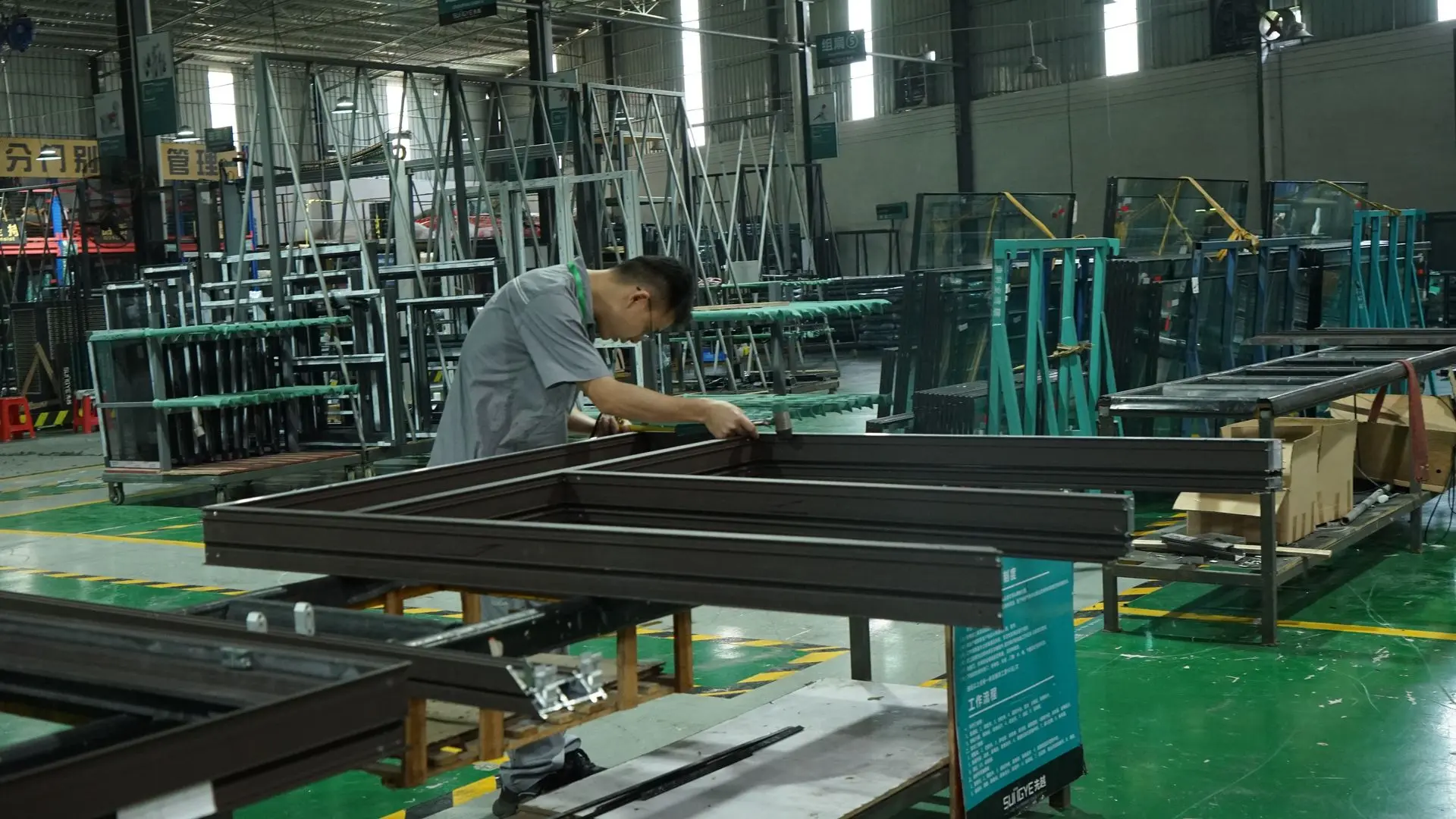
Types of Low-E Glass to Consider
It's useful to know the main product options when purchasing Low-E windows.
Silver coatings: single, double, and triple;
Basic performance with single silver coated Low-E glass. Double silver Low-E glass offers superior insulation and solar control. Triple Silver Low-E glass is the highest performing glass and is often used in premium projects.
Tempered Low-E glass
It is heat treated for extra strength and safety. It is often used for doors, facades and high-traffic areas.
Laminated Low-E glass
Laminated glass has an interlayer that holds the glass together if it breaks. It improves safety, security and soundproofing, making it suitable for use in hotels, healthcare facilities and urban buildings.
How to Find a Reliable Supplier in China
The choice of the right product is as important as the choice of the right supplier. Good sourcing processes can help avoid quality issues and delays.
- Research and compare: Check out manufacturers on B2B platforms, trade directories and industry exhibitions. Compare their product range , price , certification and experience of export .
- Verify Certifications: Request documents like ISO 9001, ISO 9001, CE, ou ASTM. You should also ask for technical data sheets and test reports for the specific Low-E products you wish to buy.
- Communicate clearly Let us know your project requirements early. This includes glass thickness, coating type, dimensions, delivery schedules and packaging requirements. Good communication stops mistakes down the line.
- Request samples: Samples should be requested before ordering in bulk to check clarity, quality of coating and finish. This is especially critical for large scale or high value projects.
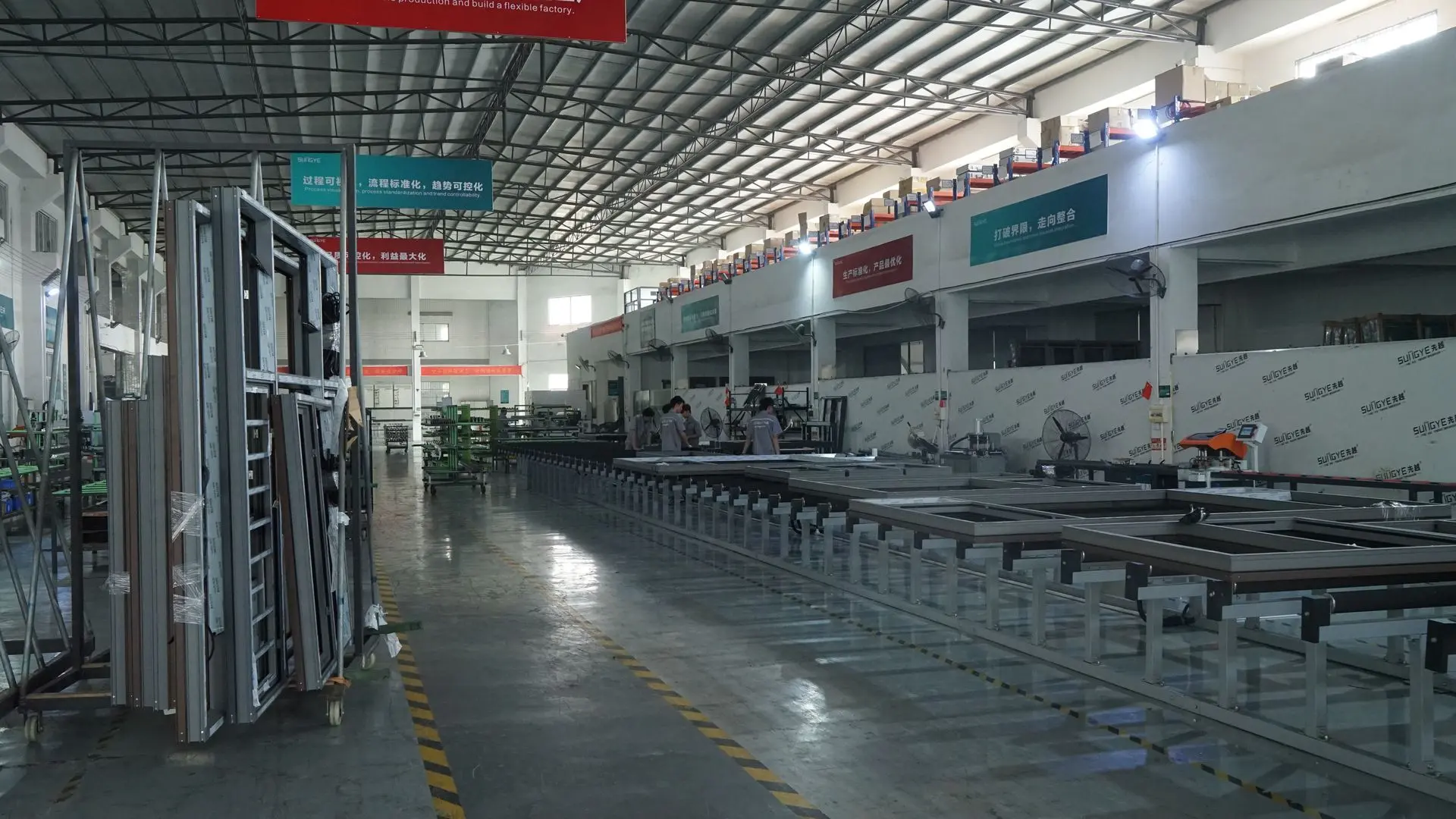
- Visit the factory: A factory visit gives you a closer look at production systems, quality control and overall capability. If travel isn’t possible, request a virtual tour or video showing the production in detail.
- Negotiate terms and conditions: Be sure that the contract covers all the important details, like pricing, payment terms, delivery schedule, inspection requirements, warranty coverage, etc.
- Set up quality control: Perform pre-production, in-process, and final inspections before shipment. This will catch problems early and protect your order.
- Review after-sales support: The right supplier will be able to answer technical questions and deal with issues once the product is delivered. A good after-sales support is a good sign of a long term business partner.
Conclusion
En conclusion, l’approvisionnement en verre Low-E en Chine constitue un moyen rentable et efficace d’acquérir des fenêtres de haute qualité qui améliorent l’efficacité énergétique. En comprenant les avantages du verre Low-E et les avantages de l’approvisionnement en Chine, vous pouvez prendre des décisions éclairées qui correspondent aux objectifs de votre projet.
Pour réussir le processus d'approvisionnement, il est essentiel de mener des recherches approfondies, de vérifier les certifications des fournisseurs et d'établir une communication claire. De plus, la mise en œuvre d'un plan de contrôle qualité rigoureux et la garantie d'un service après-vente fiable vous aideront à établir un partenariat fructueux avec le fournisseur que vous avez choisi.
En suivant ces étapes, les entreprises peuvent augmenter leurs chances de trouver un fournisseur réputé de verre Low-E en Chine, leur fournissant ainsi des produits de haute qualité et un excellent service client. Alors que la demande de solutions écoénergétiques continue de croître, l'approvisionnement en verre Low-E en Chine restera une option viable pour les entreprises qui cherchent à améliorer leurs projets tout en optimisant les coûts.