
China is currently the world's biggest producer of ceramic and porcelain tiles, supplying builders designers developers, interior and sourcing professionals across the whole world with its products. Chinese tile factories are known for offering excellent combinations of high design creativity, cost-effectiveness of production and quick deliveries when furnishing hotels, residential developments or other kinds of commercial spaces. With the help of this guide you will learn how to source tile from China efficiently: from your choice of the material type, knowing the advantages of different parts of the country that are active in tile production, to logistics management of imports as well as the quality inspection of tile products.
If your goal is to achieve the right mix between design, durability and cost, this guide will help you make the right sourcing decisions.
Why China Leads in Tile Manufacturing
The scale of China’s tile industry, combined with its advanced production lines and competitive pricing, is remarkable. In the past decade, quality standards have risen dramatically and many factories now produce tiles that meet or exceed the standards of Europe.
The major benefits include:
- Wide range of products comprising ceramic, porcelain, full-body, glazed and specialty tiles.
- Competitive pricing through economies of scale and the best supply chains.
- Strong customization capabilities for large projects.
- Quick production process and ability to deliver products of large quantity on time.
- New trends in design with the help of digital printing and surface treatments.
For example, a hospitality developer working on a 200-room hotel can source marble-look porcelain tiles, wood-look planks, and mosaic bathroom accents all from one region, simplifying procurement and logistics.
Key Tile Production Hubs in China
Knowing the tile production areas will help you locate good manufacturers more quickly.
Foshan, Guangdong
Foshan is the center of China tile industry, occupies large share of production. It has a large range of ceramic tiles from entry level to premium porcelain slabs with advanced finishes. Most foreign buyers begin here because of the concentration of suppliers and the variety of products.
Shandong and Fujian
This region mainly produces natural stone and granite tiles. They are mainly selected for exterior applications like paving, facades, and landscaping that require high-quality materials.
Zhejiang
Zhejiang is specialized in mosaic tiles and decorative objects. This makes it a good location for projects that require artistic details and elaborate patterns.
For sourcing professionals, Foshan is usually the easiest place to start, especially when you have mixed product requirements.
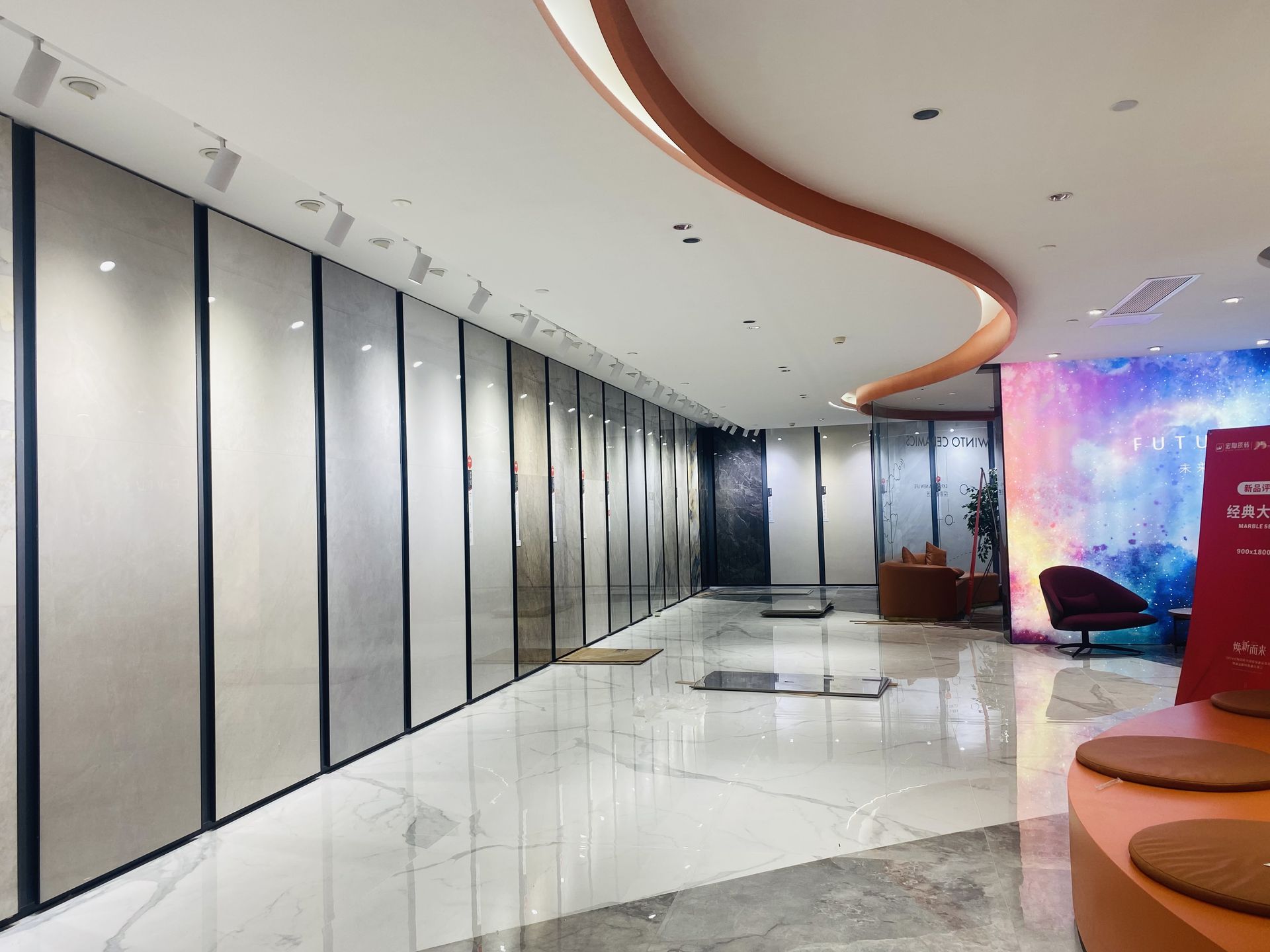
Ceramic vs. Porcelain Tiles: What to Choose
One of the first decisions you make when you’re sourcing tile is whether to go ceramic or porcelain. They may look alike but they are worlds apart in performance.
Ceramic Tiles
Ceramic tiles are the result of a process in which clay is fired at high temperatures, normally followed by a glaze to add the finishing touch. Compared to porcelain, they are more absorbent, porous, and so easier to stain.
- Best for walls and low traffic areas.
- Less expensive.
- Easier to cut and install.
- Broad availability of patterns and designs.
Porcelain Tiles
Porcelain tile comprises of finer clay, mixed less water to achieve higher concentration, then subjected to fire at a much higher temperature than the normal one to get a harder and less porous type of tile.
- Water absorption of 0.5% or less, making it ideal for wet areas and outdoor use.
- Ideal for high-traffic zones such as lobbies, kitchens, and outdoor spaces.
- Higher resistance to scratches, stains, and impact.
- Longer lifespan under heavy use.
If you are sourcing tiles for a resort pool area or commercial flooring, porcelain is typically the better choice due to its strength and moisture resistance.
Ceramic vs. Porcelain Tiles Comparison
| Feature | Ceramic Tiles | Porcelain Tiles |
| Material | Standard clay | Refined, dense clay |
| Water Absorption | Above 0.5% | 0.5% or less |
| Durability | Good | Excellent |
| Density | Less dense | Highly dense |
| Scratch Resistance | Moderate | High |
| Moisture Resistance | Suitable for dry indoor areas | Suitable for wet areas and outdoors |
| Installation | Easier to cut | Harder to cut due to density |
| Best Applications | Walls, bedrooms, light-traffic floors | Kitchens, bathrooms, commercial spaces, outdoor areas |
| Maintenance | Easy | Easy |
| Cost | More affordable | Higher initial cost |
Glazed vs. Full-Body Tiles
Beyond the material type, tile construction can influence how tiles perform and look over time.
Glazed Tiles
The tiles are colored, textured, and patterned by a surface layer.
- Offer more design variety including marble and wood effects.
- Protective surface makes it easier to clean.
- Suitable for walls in housing and moderate floors.
But when the surface is chipped away, one can see the base material underneath.
Full-Body Tiles
These tiles are all the same color and composition throughout the whole tile.
- Very resistant to scratching and wear.
- Perfect for retail flooring, commercial spaces and airports.
- Retain appearance after years of tough use.
For example, a shopping mall developer will usually select full-body porcelain tiles for corridors and common areas to provide a uniform look in the face of heavy foot traffic.
Here’s a comparison in a table:
| Feature | Glazed Tiles | Full-Bodied Tiles |
| Appearance | Wide variety of colors, patterns, and finishes | More limited colors with consistent color throughout |
| Durability | Suitable for residential and light commercial use | Excellent for heavy commercial and high-traffic areas |
| Scratch Visibility | Scratches and chips may reveal the tile body | Scratches are less noticeable due to consistent color throughout |
| Maintenance | Easy to clean and stain resistant | Easy to maintain; sealing may be recommended depending on the finish |
| Best Applications | Homes, bathrooms, kitchens, feature walls | Shopping malls, airports, offices, hotels, schools, and public spaces |
Popular Tile Designs and Trends
China’s tile manufacturers offer a vast array of designs, with something to appeal to both modern and classic tastes.
Marble-Look Tiles
Widely used in luxury hotels and residential interiors are natural marble-like porcelain tiles. They offer the same visual appeal but without the maintenance issues of real stone.
Wood-Look Tiles
They combine the warmth of wood with the durability of porcelain, perfect for kitchens, bathrooms and even outdoor decks.
Large-Format Tiles
Modern interiors are getting more and more popular with tiles 600x1200 mm or more. They minimize grout lines and provide a seamless look.
Mosaic Tiles
Used for feature walls, pools, and bathrooms, mosaics add visual interest and customization potential.
Textured and Anti-Slip Tiles
These are vital for outdoor areas, walkways and wet zones where safety is a concern.
Sustainability is also gaining ground, with some factories offering tiles made from recycled materials or produced with lower emissions.
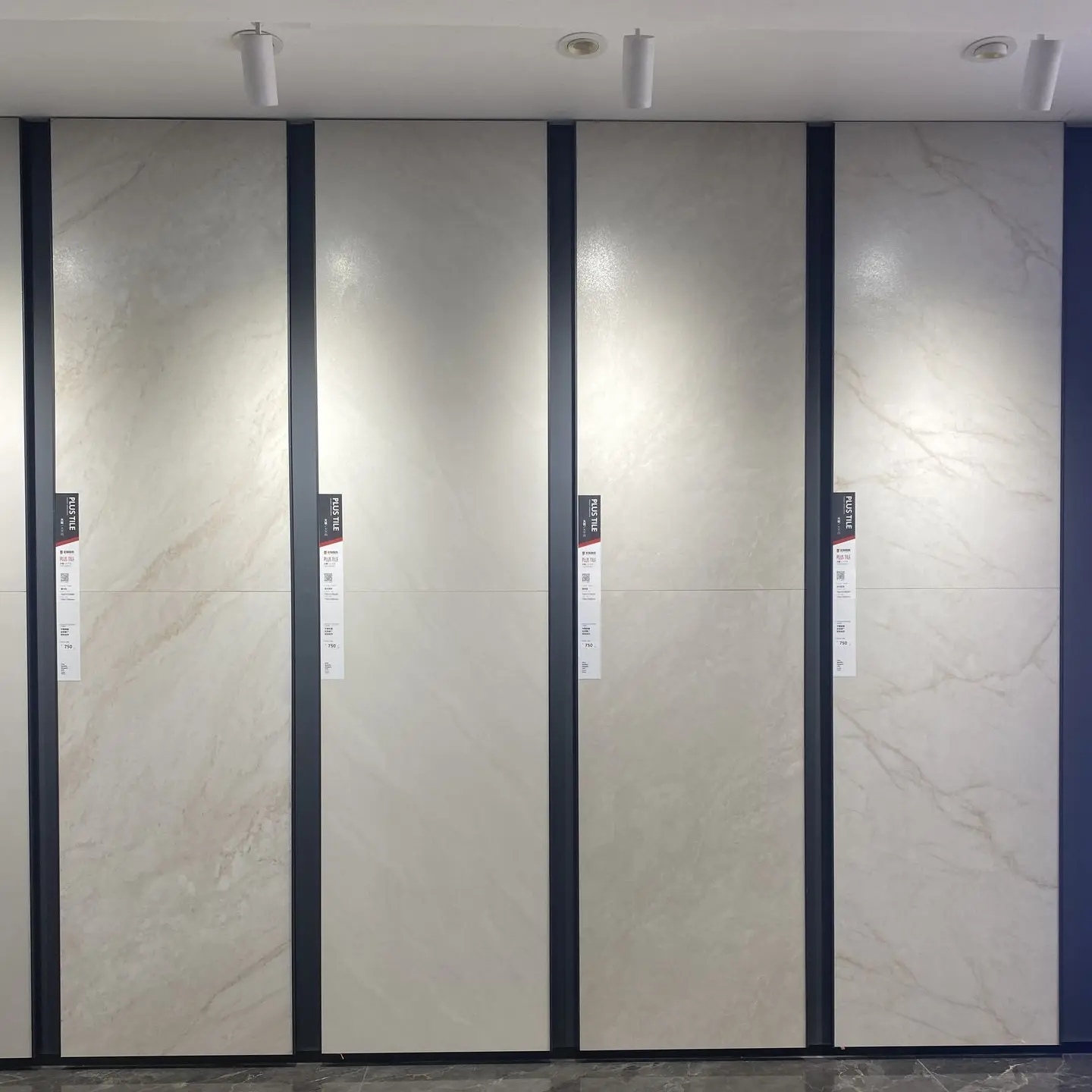
How to Source Ceramic and Porcelain Tiles from China
A well-defined sourcing process reduces risk and enhances results.
Define Your Requirements
Start with clear specifications:
- Tile type (ceramic or porcelain)
- Size and thickness
- Finish (matte, polished, textured)
- Quantity and packaging requirements
- Target price range
Supplier Selection
Work with verified manufacturers or sourcing partners who understand export requirements. Foshan-based suppliers are often the most experienced with international clients.
Request Samples
Always review physical samples before placing bulk orders. Photos and catalogs can be misleading, especially for color tones and surface textures.
Negotiate Pricing and MOQ
Most factories have minimum order quantities. Larger orders usually result in better pricing.
Quality Inspection
Arrange pre-shipment inspections to ensure tiles meet agreed specifications. This step is critical for avoiding costly issues after delivery.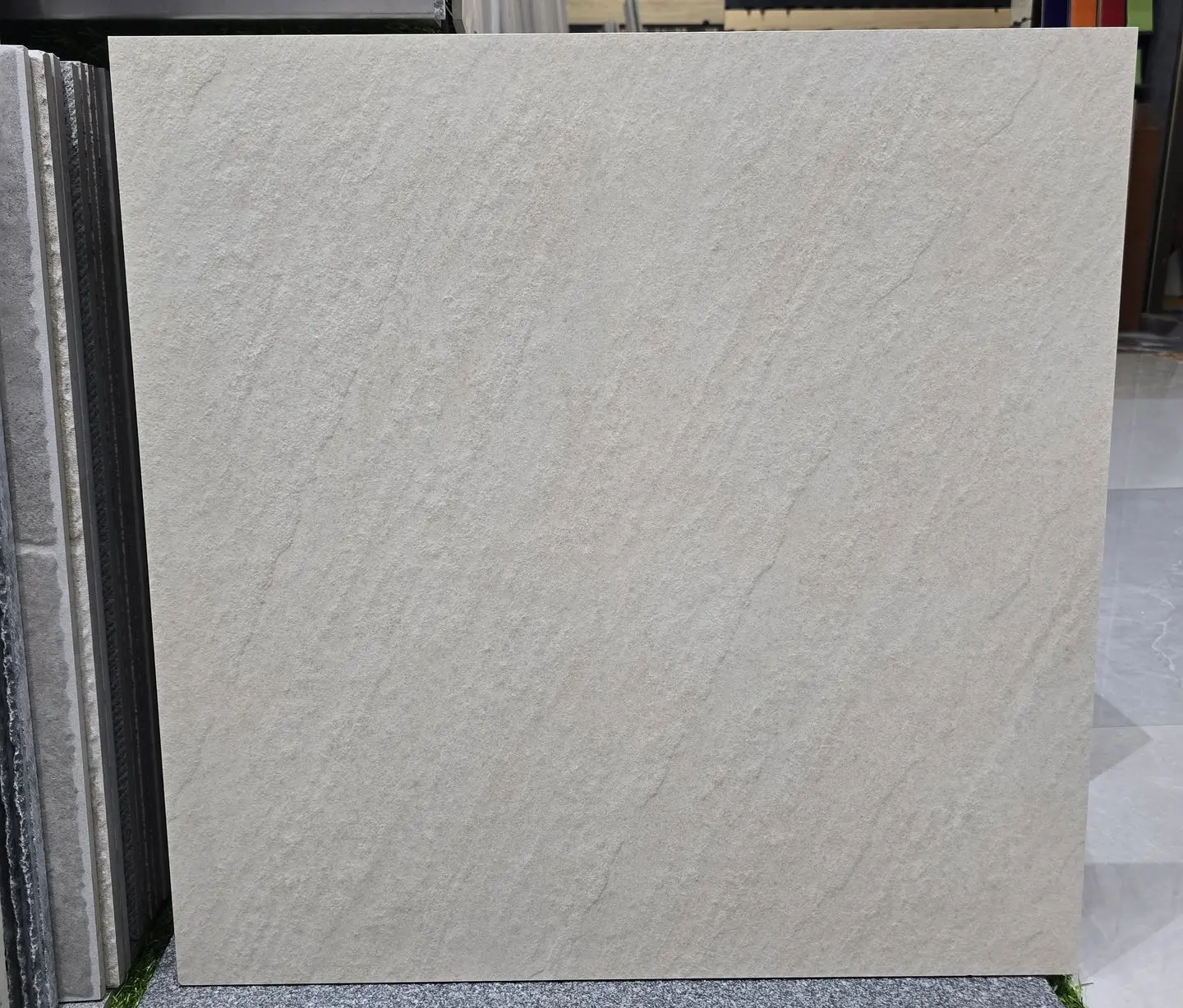
Import Duties and Trade Considerations
Importing tiles involves additional costs beyond the product price. These vary depending on your destination country.
Import Duties
Standard tariffs applied to imported goods. Rates depend on tile type and local regulations.
Anti-Dumping Duties
Some countries impose extra duties on Chinese tiles to protect local industries. These can significantly increase total costs.
Countervailing Duties
Applied when imported goods are considered subsidized by the exporting country.
For example, in certain markets like the United States, anti-dumping duties on Chinese tiles can exceed 100 percent, making it necessary to evaluate alternative sourcing strategies or adjust pricing models.
To manage these risks:
- Confirm duty rates before placing orders.
- Work with customs brokers or trade consultants.
- Consider diversifying sourcing if duties are too high.
Common Mistakes When Buying Tiles from China
Even experienced buyers can encounter issues when sourcing tiles internationally.
Color Variation
Tiles from different batches may vary slightly in color. Always confirm batch consistency and order extra for replacements.
Breakage During Shipping
Improper packaging can lead to damage. Ensure suppliers use export-grade packaging and reinforced pallets.
Specification Mismatch
Detailed product specifications should be documented clearly, including tolerances and finish expectations.
Communication Gaps
Working with suppliers who have strong export experience helps minimize misunderstandings.
Sustainability in Tile Manufacturing
Sustainability has become an important consideration for developers and architects.
Many Chinese tile manufacturers have adopted environmentally responsible production methods, including:
- Recycling production waste
- Energy-efficient kilns
- Water recycling systems
- Lower-emission manufacturing
- Eco-friendly packaging
If your project is pursuing green building certifications, ask suppliers whether their products meet the required environmental standards.
Why Work with a Sourcing Partner?
Managing overseas procurement involves supplier selection, factory communication, production monitoring, inspections, shipping, and documentation. Engaging a China sourcing agent can simplify the entire process and help you avoid common sourcing challenges.
A sourcing partner can help you:
- Identify reliable manufacturers
- Compare multiple quotations
- Verify factory capabilities
- Arrange product sampling
- Monitor production
- Conduct quality inspections
- Coordinate shipping
- Reduce procurement risks
Instead of communicating with several factories independently, you have one experienced team managing the process from supplier selection through final delivery.
This approach saves time, improves communication, and helps ensure the products arriving on-site match your project specifications.
How Guangzhou Sourcing Helps You Source Tiles from China
Finding a supplier is only one part of the procurement process. Managing production, quality, logistics, and communication across different time zones can quickly become challenging, especially for large construction projects.
At Guangzhou Sourcing, we work closely with developers, contractors, architects, interior designers, wholesalers, and retailers to simplify tile procurement from China.
Whether you're sourcing for a boutique hotel, a residential development, a commercial building, or a hospitality project, our team provides practical support throughout every stage of the purchasing process.
Our services include:
- Supplier identification and verification
- Product sourcing and quotation comparison
- Sample collection and evaluation
- Factory audits in China
- Quality inspections before shipment
- Production follow-up
- Container consolidation
- Shipping coordination
- Export documentation
With years of experience working with trusted manufacturers, we help clients source ceramic and porcelain tiles that meet both design expectations and project budgets.
Three Proven Methods of Collaboration
Sourcing tiles from China is easier with the right partner. At Guangzhou Sourcing, we help developers, contractors, architects, and retailers connect with trusted manufacturers while managing the sourcing process from start to finish.
- Buying Trip to China: Visit leading tile manufacturers and showrooms to compare products and make informed decisions.
- Sample Matching: Send us your preferred tile sample, and we'll find matching or similar products from reliable suppliers.
- Exploring Our Catalogues: Browse curated tile collections with expert recommendations based on your design, budget, and project requirements.
From supplier selection and quality inspections to shipping and logistics, our team helps ensure your tiles arrive on time and meet your expectations.
Conclusion
China continues to be one of the leading destinations for sourcing ceramic and porcelain tiles, offering an extensive range of designs, reliable manufacturing capabilities, and competitive pricing for projects of every size.
A successful purchase starts with selecting the right manufacturer, reviewing samples, confirming technical specifications, and carrying out quality inspections before shipment. These steps help reduce delays, minimise unexpected costs, and ensure the finished product meets your project's expectations.
Whether you're sourcing tiles for a residential, commercial, or hospitality project, our China Sourcing Solutions can help you identify trusted manufacturers, manage quality control, and coordinate logistics from China to your destination.
Start your tile sourcing journey with confidence. Contact Guangzhou Sourcing today for expert sourcing and procurement support.
FAQs
Are Chinese porcelain tiles good quality?
Yes. Many Chinese manufacturers produce porcelain tiles that meet international quality standards and supply projects worldwide. Product quality depends on selecting the right factory and carrying out inspections before shipment.
Which tile is better for commercial projects?
Porcelain tiles are generally preferred because they are denser, harder, and more resistant to moisture, scratches, and heavy foot traffic.
Can I customise tile designs?
Many manufacturers offer custom colours, patterns, finishes, sizes, and packaging for projects that meet their minimum order quantities.
How much extra tile should I order?
Most contractors recommend ordering 5–10% extra to cover cutting, breakage, future repairs, and matching dye lots.
Should I inspect my order before shipping?
Yes. A pre-shipment inspection confirms that the products match the approved samples, meet quality standards, and are packaged correctly before they leave the factory.