
Every business has to find a way to stay competitive while keeping costs down, especially in today's fast-paced global economy. One of the best ways to achieve this is through direct material sourcing from China. As one of the world's biggest manufacturing hubs, it offers businesses looking for high-quality resources, large-scale production capability, and competitive price.
But finding a factory and placing an order is not enough for successful sourcing. It requires a comprehensive strategy that includes managing risks, building partnerships with suppliers, quality control, risk management, and digital transformation. This guide delves into practical techniques for organizations to optimize their sourcing efforts in China, increase supply chain performance, and ensure long-term value.
Why direct sourcing from China matters
Over the last two decades, China's manufacturing sector has grown into a key supplier to almost every major industry, including textiles, building materials, sanitary ware, lights, electronics and furniture. Directly sourcing from Chinese factories offers numerous advantages for businesses that rely significantly on raw materials or components.
- Cost-Efficiency - Buying directly from manufacturers,cuts out the middleman, which lowers markups and raises profit margins.
- Scalability - Chinese factories can produce large volumes swiftly , which is suitable for growing businesses or seasonal demand.
- Product Variety- China has one of the largest product ranges in the world, allowing for customization in terms of materials, finishes, and requirements.
- Technological Progress - Many factories employ AI and automation to check their work, which helps keep the quality high and the output fast.

Understanding the Chinese market and supply chain
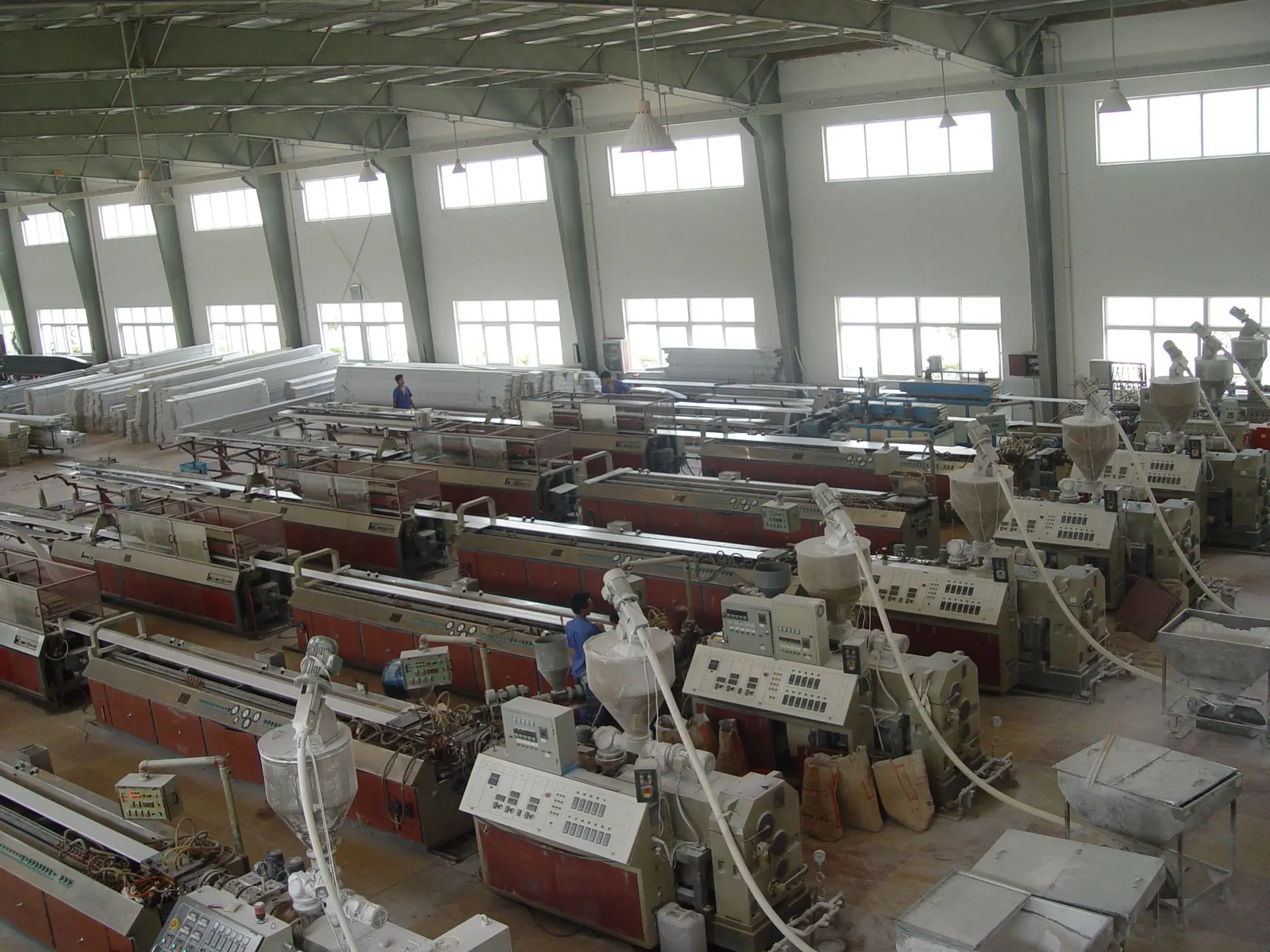
The supply chain ecosystem of China is complex and multilayered. Local clusters, like Guangdong for electronics, Zhejiang for textiles, and Fujian for furniture, focus on specific product categories. Knowing these geographical strengths might help you find the correct suppliers and save money on transportation or logistics.
Cultural factors also plays an important impact. In Chinese business culture, trust, long-term cooperation, and mutual respect more than purely contractual arrangements. Instead of focusing on short-term advantages, success is frequently determined by demonstrating dedication and reliability over time.
Here are a few important things to build a strong sourcing base:
- Look into regional specialty to find manufacturers that are a good fit for your industry.
- Know the rules and laws that apply to your country and your area, such as export controls, certifications, and environmental standards.
- Establish a local presence, even if it's only temporary, to facilitate quicker communication and closer supervision.
By making this initial investment, you reduce future risks associated with miscommunication or gaps in compliance while also increasing productivity.
Building strong supplier relationships
One of the key components of successful sourcing in China is establishing solid, long-lasting relationships with suppliers. A trustworthy supplier is a partner who cares about your success, not just a manufacturer.
- Clear Communication: Establish clear channels of communication with your Chinese suppliers to ensure that expectations and requirements are understood on both sides.
- Cultural Understanding: Take the time to learn about Chinese business customs and etiquette to show respect and build trust with your suppliers.
- Face-to-Face Interaction: Whenever possible, visit your suppliers in person to strengthen relationships and demonstrate your commitment to the partnership. Trade shows like the Canton Fair or CIFF are wonderful places to start these relationships.
A supplier who trusts you is more likely to put your orders first, give you better prices, and let you see new materials or technology before anybody else. These are benefits that can't be measured on a balance sheet.
Implementing quality control measures
Every sourcing strategy needs strong quality control to work. Even slight problems might cause delays in shipping, complaints from customers, and expensive rework. To keep your supply chain reliable and consistent:
- Conduct factory audits before finalizing a supplier agreement. Third-party inspectors can evaluate equipment, hygiene, production capacity, and labor conditions.
- Implement pre-shipment inspections for random sampling of goods to ensure compliance with your specifications.
- Request quality documentation like ISO certifications, test results, and material compliance reports.
A lot of companies also use AQL (Acceptable Quality Limit) standards during production. This system measures defect levels that can be statistically tolerated, so inspections are always the same.
Chinese firms can now make sure that everything is done right during production thanks to automated optical inspection tools and IoT-connected sensors. This greatly lowers the number of mistakes. Working with suppliers who use technology can help you save time and money on re-inspections or rework.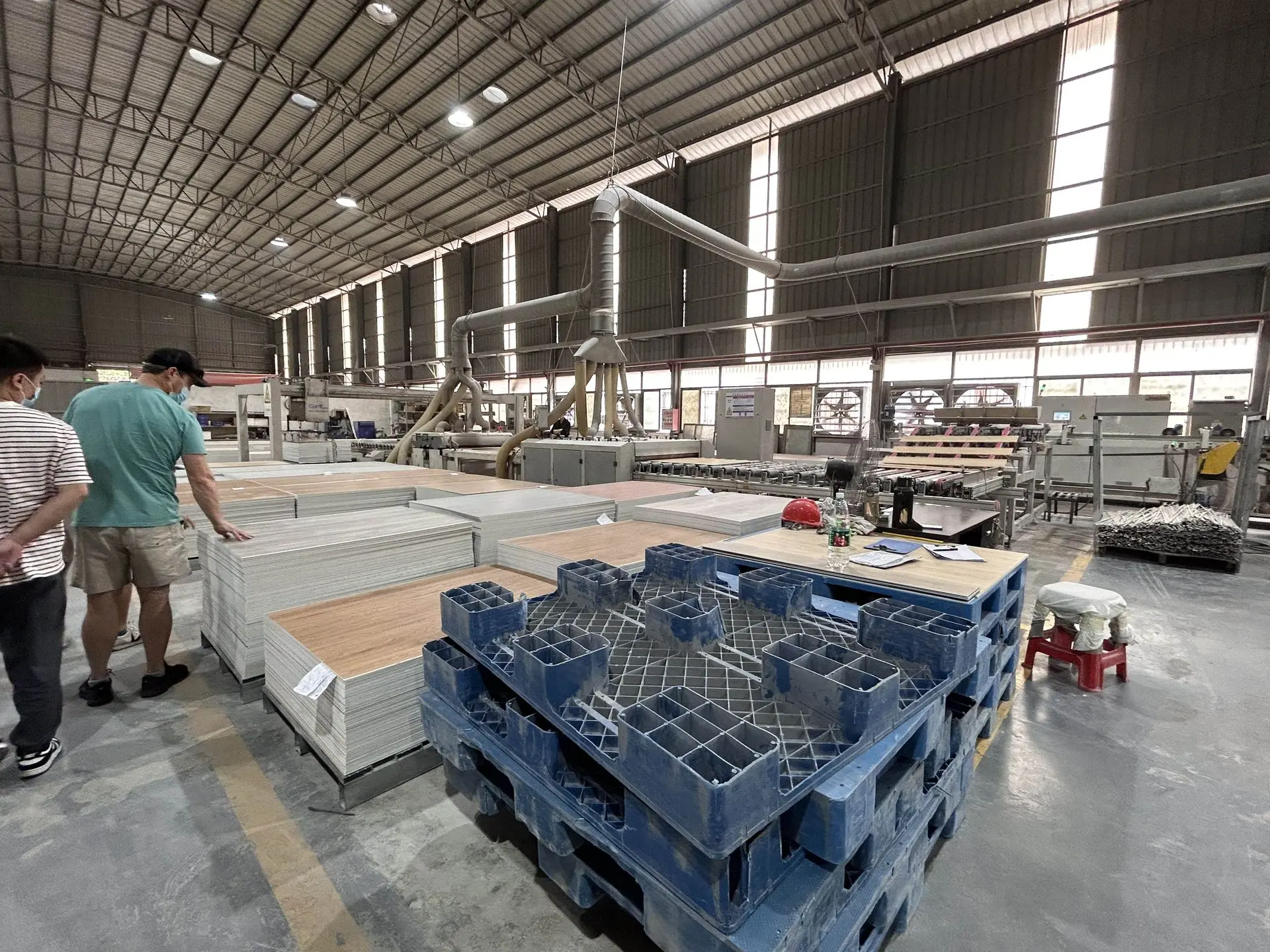
Negotiating pricing and contract terms
Price negotiation is more than just bargaining; it's about aligning expectations and creating mutual benefit. Chinese suppliers frequently prioritize long-term partnership above short-term earnings, so careful bargaining can result in better deals over time.
- Request quotations from multiple suppliers to compare prices, minimum order quantities and lead times.
- Negotiate for value, not just cost; consider including quality guarantees, enhanced packaging, or improved lead times in your terms.
- Make sure to explain the payment conditions up front, such as deposits, balance periods, and currency arrangements. Many buyers find success in providing incentives for early delivery or regular performance.
It's also a good idea to talk about contingency clauses that cover things like damaged goods, delays in shipping, or changes in global tariffs. These kinds of agreements safeguard both sides and keep arguments from happening later.
Using technology to improve sourcing decisions
Digital transformation has changed the way sourcing operates. The mix of technology and analytics allow companies to from reactive to predictive sourcing.
- ERP and SRP platforms integrate proc urement data so that teams may see inventory, price changes and supplier performance in real-time.
- AI-powered sourcing solutions evaluate supplier reliability, lead times, and cost estimates to assist firms in selecting the most efficient partners.
- Blockchain-based supply chain tracking improves transparency by verifying each step, from factory manufacturing to port transportation.
For example, a company sourcing aluminum profiles could use predictive analytics to monitor global raw material prices and adjust order timing to minimize costs. Using data to make decisions changes sourcing from a guesswork process to well-planned, strategic one.
Risk management and compliance
Sourcing materials from overseas involves potential risks, from quality inconsistencies to changing import regulations. Making a defined plan for managing risks helps make sure that supplies keep coming in and that the law is followed.
Key steps include:
- Supplier diversification: When you work with more than one supplier, you don't have to rely on just one factory, which helps keep supplies from running out.
- Regular compliance audits: Ensure that suppliers fulfill environmental, safety, and labor standards. Keep this proof to defend your brand's reputation.
- Insurance and contract protection: Consider product liability insurance, and include clear dispute resolution clauses referencing both Chinese and international law.
The rules for international trading can change swiftly. Keeping up with rules like customs tariffs, export controls, and environmental regulations makes your sourcing approach flexible and legal.
Compliance with International Regulations
There are a lot of rules that govern international trade, such as safety requirements, product certifications, and import documentation. Companies that source materials from China need to make sure that their goods adhere to the rules set forth in the market where they will be sold.
These criteria could include safety and environmental standards, as well as certifications like CE marking for Europe and UL certification for the United States. To minimize delays or fines when importing, you also need to have the right customs paperwork.
Businesses can better handle these needs and make sure that shipments satisfy all relevant compliance standards by working with logistics experts or sourcing professionals.
Logistics and Shipping Considerations
When purchasing from China, efficient logistics planning is vital. Choosing the appropriate shipping method helps to control expenses and ensures that products reach on time.
Sea freight is the most cost-effective choice for large or heavy items, although the travel time is longer. Air freight is speedier but more expensive, making it ideal for urgent orders or small amounts.
Freight consolidation combines goods from many vendors into a single shipment, which reduces overall transportation costs.
Good logistics planning keeps deliveries on schedule and under budget.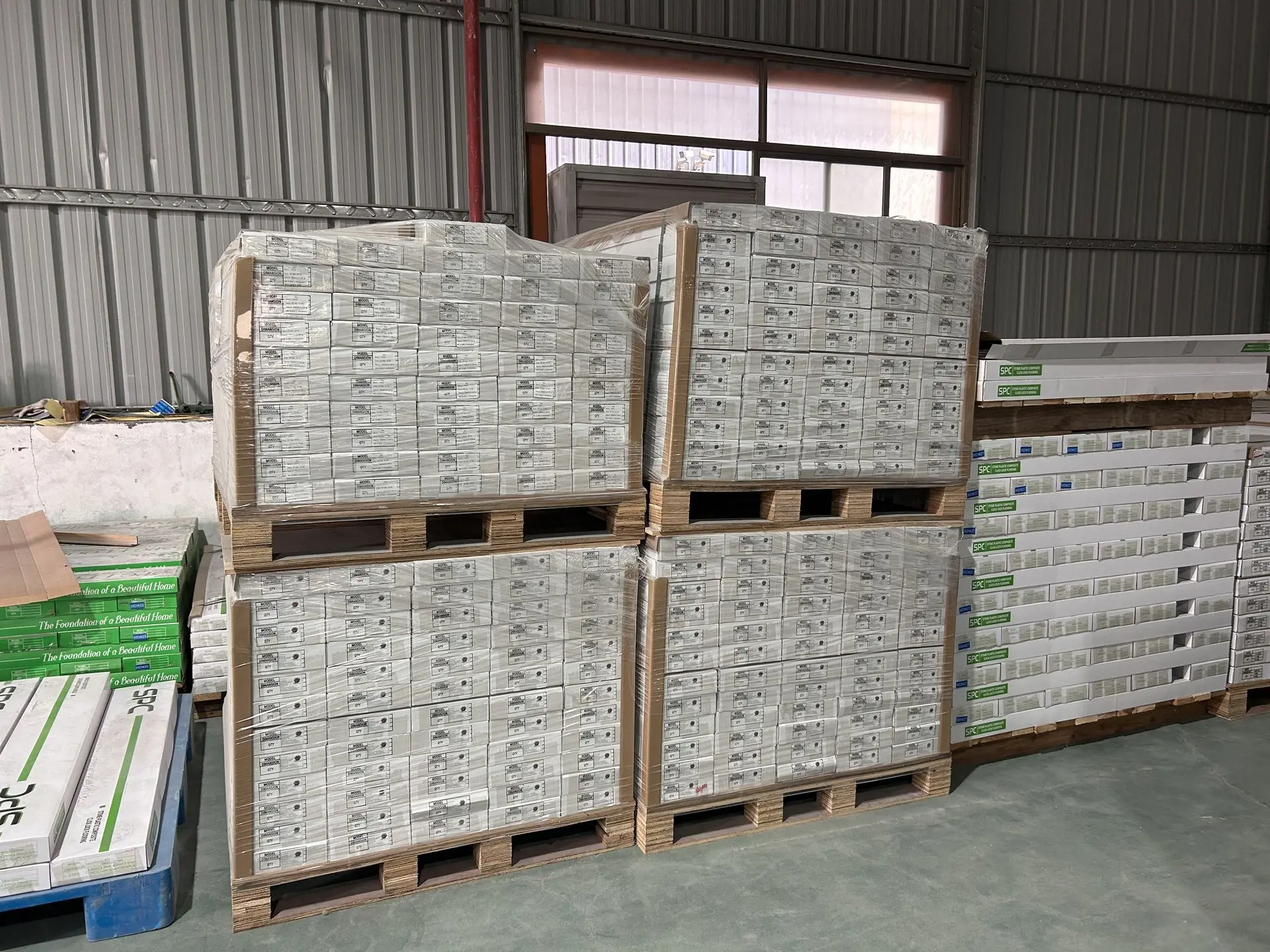
The Value of Sourcing Partners
To make the sourcing process easier, many businesses decide to collaborate with sourcing experts or Chinese procurement firms. These experts oversee project schedules, logistical coordination, factory inspections, and supplier communications.
Businesses can find trustworthy manufacturers, confirm suppliers, negotiate prices, and keep an eye on production to make sure quality standards are fulfilled with the assistance of companies like Guangzhou Sourcing.
Local market expertise, supplier verification, quality checks, negotiating support, and logistics coordination are just a few of the main benefits that sourcing partners offer. Working with a seasoned sourcing partner lowers risks and boosts productivity for businesses without a local presence in China.
Conclusion
Direct material sourcing from China offers businesses significant advantages, including competitive pricing, large production capacity, and access to a wide variety of materials and products. With the right strategy, companies can improve efficiency, reduce costs, and strengthen their supply chains.
Careful supplier selection, effective communication, constant quality control, and well-thought-out logistics are essential for success. Companies can steer clear of typical sourcing issues by devoting effort to monitoring manufacturing and cultivating solid supplier relationships.
By assisting companies in managing inspections, coordinating shipments, and connecting with reputable manufacturers, working with seasoned sourcing partners like Guangzhou Sourcing can further streamline the process. For expanding businesses, sourcing from China can be a significant long-term advantage with the right preparation and assistance.