
The commercial building’s entrance is the first impression for visitors, customers and tenants. Whether it is a retail store, office building, hotel, restaurant, shopping centre or mixed use development, an aluminium storefront glazing system plays a major role in both appearance and performance. Aside from offering an attractive façade, these systems provide long-term durability, security, energy efficiency and natural light.
China has become a large-scale producer of commercial storefront glazing systems, delivering projects across North America, Europe, Australia, the Middle East and Southeast Asia. In modern factories everything is produced from off the shelf shopfront systems to bespoke engineered glazing systems that meet international building standards but at competitive prices with flexible production.
Sourcing from China is of great value for developers, architects, contractors and procurement teams. The key to success, however, is to select the right supplier, specify the correct materials, and enforce quality control during the production process.
This guide explains everything you need to know about sourcing aluminium storefront glazing systems from China, including types of systems, materials, quality standards, how to find a supplier, and best practices for international procurement.
What is an Aluminium Storefront Glazing System?
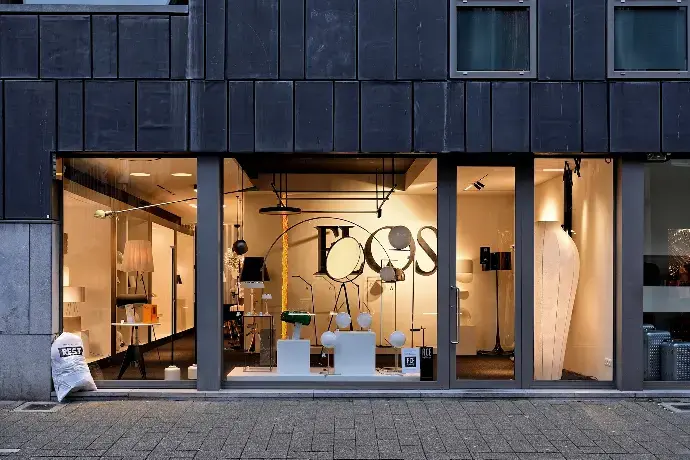
Aluminium storefront glazing system is a non-load bearing façade system, generally installed at the ground level of commercial buildings. It brings together aluminium framing, glass panels, entrance doors and hardware to create an attractive, secure and functional storefront.
Storefront glazing systems are primarily used for ground floor retail frontages and entrances instead of curtain wall systems which extend across multiple floors.
Usually they are installed in:
- Retailers
- Shopping malls Hotels
- Eateries
- Office buildings
- Health care facilities Schools and universities Airports
Typical storefront glazing systems include aluminium frames, tempered or laminated glass, entrance doors, door hardware, weather seals and structural sealants. Combined, these elements give commercial buildings durability, safety, energy efficiency and a contemporary look.
Why Source Storefront Glazing Systems from China?
China is one of the world's major manufacturers of aluminium storefront glazing systems, enjoying competitive prices, advanced production technology and rich export experience. Many manufacturers offer complete solutions including aluminium framing, glass fabrication, hardware and finishing making it easier to source a whole storefront system from one supplier.
Some of the key benefits are:
Competitive Rates
China boasts of a huge manufacturing network that lowers production costs and allows for high quality standards that add tremendous value to commercial projects.
Custom Manufacturing
Most suppliers can make storefront glazing systems from architectural drawings or project specifications, including custom sizes, types of glass, finishes, and door configurations.
Advanced manufacturing
Modern factories use CNC machining, automated glass processing and precision powder coating to provide quality and efficient production.
International Export Experience
Many Chinese suppliers regularly work on international projects and are therefore familiar with export requirements, international building standards and safe packaging for overseas shipping.
Many manufacturers also produce complementary products such as shop display fixtures, allowing retailers to source both exterior storefront systems and interior retail fit-outs from a single supply chain.
Types of Aluminium Storefront Glazing Systems
The right storefront glazing system depends on your building design, performance requirements and budget.
Storefront Systems Framed
Aluminium framing is the most popular choice for commercial buildings as it is strong, durable and cost effective.
Thermally Broken Storefront Systems
Constructed with an insulating barrier to reduce heat transfer, improve energy efficiency and to reduce condensation.
Structural Silicone Glazing
Uses structural silicone instead of visible framing to achieve a sleek and modern glass façade with maximum natural light.
Frameless Glass Entrances
Has large glass panels with minimal hardware. Popular for hotels, offices, and premium retail outlets.
Automatic Entrance Systems
Sliding or swinging automatic doors provide convenient access and are commonly used in shopping centres, hospitals, airports, and other high-traffic buildings.
Choosing the Right Glass
Selecting materials isn't just about aesthetics; it's about performance and safety.
Material | Best For | Key Benefit |
Tempered Glass | Entrances and storefronts | High strength and improved safety. Breaks into small, less hazardous pieces. |
Laminated Glass | High-security and busy areas | Better security, sound insulation, and impact resistance. |
| Commercial buildings in all climates | Reflects heat while allowing natural light, improving energy efficiency. | |
Insulated Glass (IGUs) | Energy-efficient buildings | Improves thermal insulation and helps lower heating and cooling costs. |
Decorative Glass | Retail stores, hotels, and offices | Available in frosted, tinted, reflective, or patterned finishes for added privacy and style. |
Aluminium Finishes for Commercial Storefronts
The finish affects the appearance, durability, and weather resistance of aluminium storefront systems.
Finish | Best For | Key Benefit |
| Powder Coating | Most commercial projects | Durable, corrosion-resistant, and available in a wide range of RAL colours. |
PVDF Coating | Coastal and high-rise buildings | Excellent weather resistance and long-lasting colour retention. |
Anodized Aluminium | Modern commercial façades | Corrosion-resistant with a clean metallic finish. |
Wood-Grain Finish | Hospitality and retail spaces | Provides the look of timber with the durability of aluminium. |
Important Performance Standards
Storefront glazing systems should be evaluated based on more than appearance alone.
Important performance considerations include:
- Wind load resistance
- Water penetration resistance
- Air infiltration performance
- Thermal insulation
- Solar heat gain control
- Acoustic insulation
- Impact resistance
- Structural performance
Depending on the destination market, products may also need to comply with standards such as ASTM, EN, AS/NZS, or other local building regulations.
Working with suppliers familiar with your project's compliance requirements helps avoid delays during approval and installation.
How to Choose a Reliable Manufacturer
Supplier selection has a direct effect on the product quality, delivery schedules and project success.
Find a manufacturer that offers:
- Years of export experience
- Engineering support
- In-house production
- Factory certifications
- Quality management systems
- Product testing reports
- Project references
- Clear communication
Look at other commercial projects like yours and ask to see the fabrication drawings before you start making things.
Factory audits can give a good idea of production capacity and quality management practices.
Quality Control Throughout Production
Even experienced manufacturers require quality inspections to maintain consistency.
A structured inspection process typically includes:
Raw Material Inspection
Verify aluminium alloy grades, glass quality, hardware specifications, and coating materials before production begins.
Production Inspection
Monitor fabrication accuracy, machining tolerances, welding quality, and finish consistency throughout manufacturing.
Glass Inspection
Inspect glass for scratches, chips, distortion, coating defects, and dimensional accuracy.
Assembly Inspection
Confirm proper alignment, hardware installation, gasket placement, and sealant application.
Pre-Shipment Inspection
Before loading containers, inspect finished products for packaging quality, product identification, completeness, and compliance with approved specifications.
Independent third-party inspections provide additional confidence before shipment.

Packaging and International Shipping
Storefront glazing systems require careful packaging to prevent damage during international transport.
Professional manufacturers typically use:
Choosing suppliers on price alone
Low quotes may indicate lower grade material or no project requirement.
Inadequate specifications
Before asking for quotations, clearly define the glass thickness, aluminium finishes, hardware brands, thermal performance and certification requirements.
Ignore engineering reviews
Fabrication drawings must be reviewed and approved prior to production.
Skipping inspections
Quality inspections catch problems before products leave the factory.
Lack of communication
Regular project updates prevent misunderstandings and production delays.
Common Mistakes That Buyers Must Avoid
Many problems of procurement can be avoided by careful planning.
Here are some of the common mistakes:
- Wooden crates
- Steel transport racks
- Protective foam
- Edge protectors
- Moisture-resistant wrapping
- Glass separators
- Product labeling for installation
Proper container loading also reduces movement during transit and minimizes the risk of damage.
For large commercial projects, products are often packed according to installation sequence, helping contractors work more efficiently on-site.
Why Choose Guangzhou Sourcing?
Managing an international procurement project takes a lot more than just finding a manufacturer. Guangzhou Sourcing makes it easier by connecting clients with well-screened suppliers and guiding them from inquiry to delivery.
Our services include:
- Supplier identification and evaluation
- Factory audits
- Quotation comparison
- Technical communication
- Sample coordination
- Production monitoring
- Quality inspections
- Export documentation
- Container consolidation
- International logistics support
Guangzhou Sourcing has experience sourcing building materials for commercial, hospitality, and residential developments, helping clients reduce procurement risks while maintaining product quality and project timelines.
Conclusion
China remains one of the leading suppliers of aluminium storefront glazing systems with advanced manufacturing, competitive pricing and a wide range of customisation options for commercial construction projects. Chinese manufacturers supply complete glazing systems for retail developments, hotels, office buildings and healthcare facilities that meet the demands of modern architecture.
An experienced manufacturer, proper materials, quality control during production, and partnership with a procurement specialist who understands the standards of international construction are the secret to a successful sourcing experience. With the right support and planning, businesses can source quality storefront glazing systems that deliver lasting performance, visual appeal and great value for projects worldwide.
FAQs
What is the difference between a storefront system and a curtain wall?
Storefront systems are typically installed at ground level and support their own weight. Curtain walls span multiple floors and are engineered to transfer structural loads back to the building frame.
Can aluminium storefront systems be customized?
Yes. Most manufacturers in China produce custom systems based on project drawings, including bespoke dimensions, finishes, glazing configurations, and hardware selections.
What type of glass is best for commercial storefronts?
Tempered glass is widely used for safety, while laminated and insulated glass units offer additional security, energy efficiency, and sound reduction. The right choice depends on the project's performance requirements.
How long does production usually take?
Lead times vary depending on project size and customization. Standard orders may take four to six weeks, while larger or highly customized projects can require additional production time.
Should I inspect products before shipment?
Yes. A pre-shipment inspection helps confirm that the products meet approved specifications and are properly packaged before they leave the factory.