
The global market is currently more competitive than it has ever been. A corporation needs a strategy that strikes a balance between speed, cost, and high-quality output in order to emerge as a market leader. This is precisely the reason why China continues to be a powerhouse. It provides a one-of-a-kind ecosystem for the development of innovative ideas by virtue of its extensive manufacturing sector, its vast pool of engineering skills, and its world-class infrastructure for the purchase of materials.
But just showing up doesn't mean you'll be successful. You need a clear plan to turn a sketch into a product that can be sold in stores. This guide shows both new and existing brands how to use streamlined product development methods to gain market share and prosper over the long term.
Why Does Product Development in China Matter?
China is a great place for startups and big companies who want to quickly go from conception to mass production since it has a lot of manufacturing capacity, low pricing, and a skilled engineering team. At the same time, there is increased focus on product safety, compliance, and intellectual property protection. This implies that international companies can introduce higher-quality products with more confidence than they could before.
When executed properly, the China product development process follows a defined path — from ideation and design expertise to engineering validation, prototyping, compliance checks, reliability testing, material procurement, and coordinated execution within the manufacturing sector.
1. Start with a Clear Product Concept
Every great product starts with an idea, but in China’s fast-moving market, an idea must be backed by utility. Ideation should never happen in a vacuum. You must identify a specific problem your product solves for the end-user.
People often make the mistake of adding too many extras that cost more than they are worth. Instead, pay attention to a "Product-Market Fit." Think about it:
- What is the key problem this solves?
- What features are required for the first version?
- How can the design knowledge available in China help to distinguish this from other options?
By prioritizing the user, you create a strong base for every stage that follows.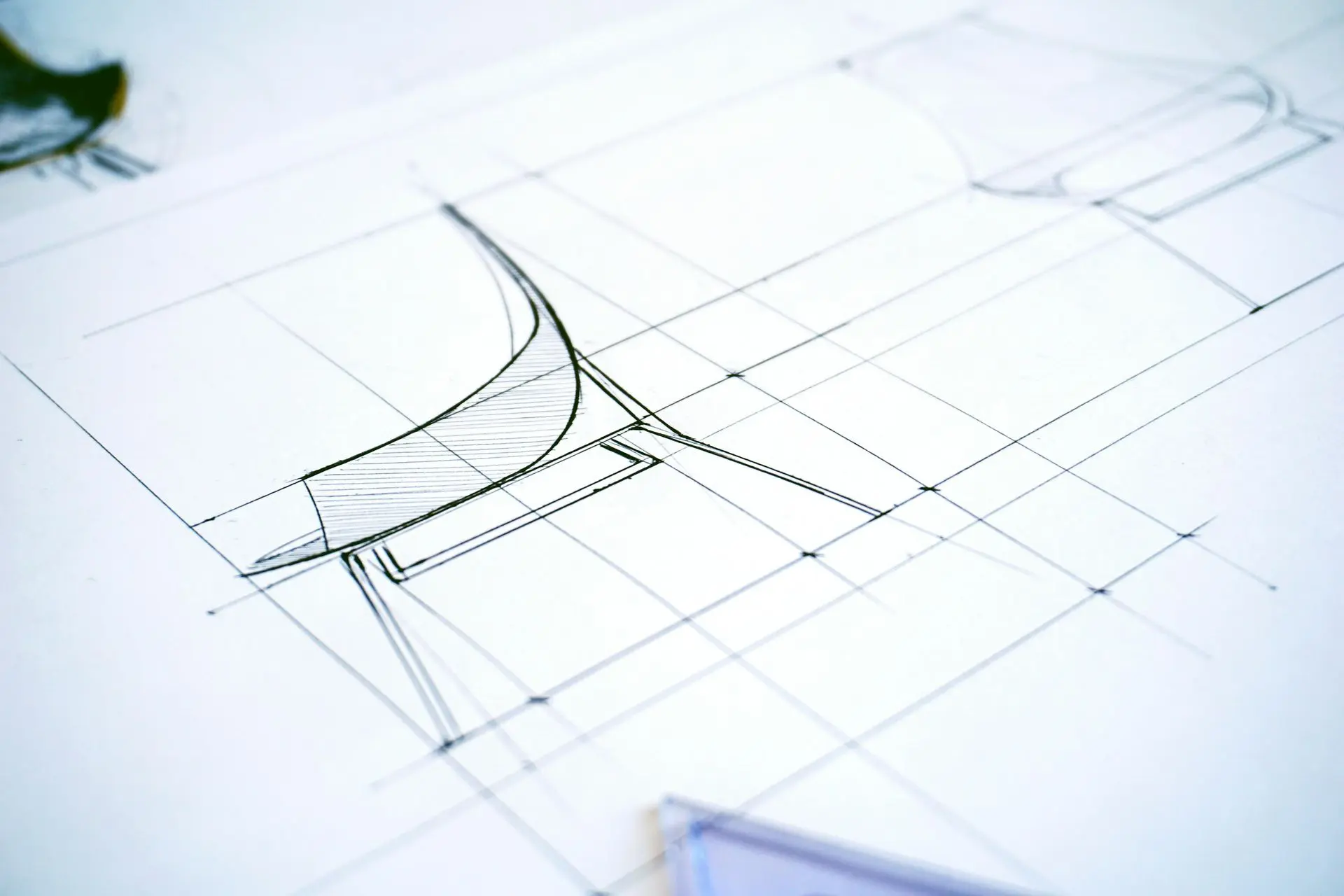
Step 2: Market Analysis and Local Insights
The Chinese consumer world is not only huge but also extremely varied. The strategies that work in a Tier 1 city like Shenzhen may not be suitable for the inland provinces. A detailed market study will help you identify who your target customer is and give you insights into your competition.
Numbers show you the results of the events; discussions with local consumers show you the motives. Also, subtle cultural differences in design should be taken into account. This is when seasoned local partners become really valuable. They can help you understand local trends, what colors are preferred, and even the functional aspects that may differ from those of Western markets. Also, you may find it beneficial to do a análisis FODA (fortalezas, oportunidades, debilidades y amenazas) at this point. This can help you figure out which market gaps your product is capable of filling.
3. Protect Your Intellectual Property (IP Protection)
Before you send a single file to a factory, you must address IP protection. This is a major concern for many businesses, but it is manageable with the right approach.
- Register your trademarks and patents in China early.
- Use non-disclosure and non-use agreements (NNN agreements) specifically drafted for Chinese law.
- Work with partners who value compliance and have a track record of ethical business practices.
Once your intellectual property is secure, lean into the engineering expertise available. Chinese engineers are often experts at "Design for Manufacturing" (DFM), which means they can tweak your design to make it easier and cheaper to produce without sacrificing quality.
With protections in place, you can confidently collaborate with manufacturers and engineers. Strong intellectual property strategy is a core pillar of sustainable product development in China.
A well-drafted China Product Development Agreement should clearly define ownership of tooling, design files, engineering modifications, timelines, confidentiality obligations, and exclusivity terms before any prototype or mass production begins.
4. The Power of Prototyping
Prototyping is the link between an idea and a real thing. You can feel the weight of the product, try out the buttons, and see the finish in person. You can use quick prototyping tools in China, such as:
- 3D Printing: For quick visual models.
- el mecanizado CNC: For functional parts that need to be made of metal or specific plastics.
- Vacuum Forming: Great for testing enclosures and casings.
The goal here is to fail fast and fix things cheaply. It is much better to find a flaw in a $500 prototype than in a $50,000 production run.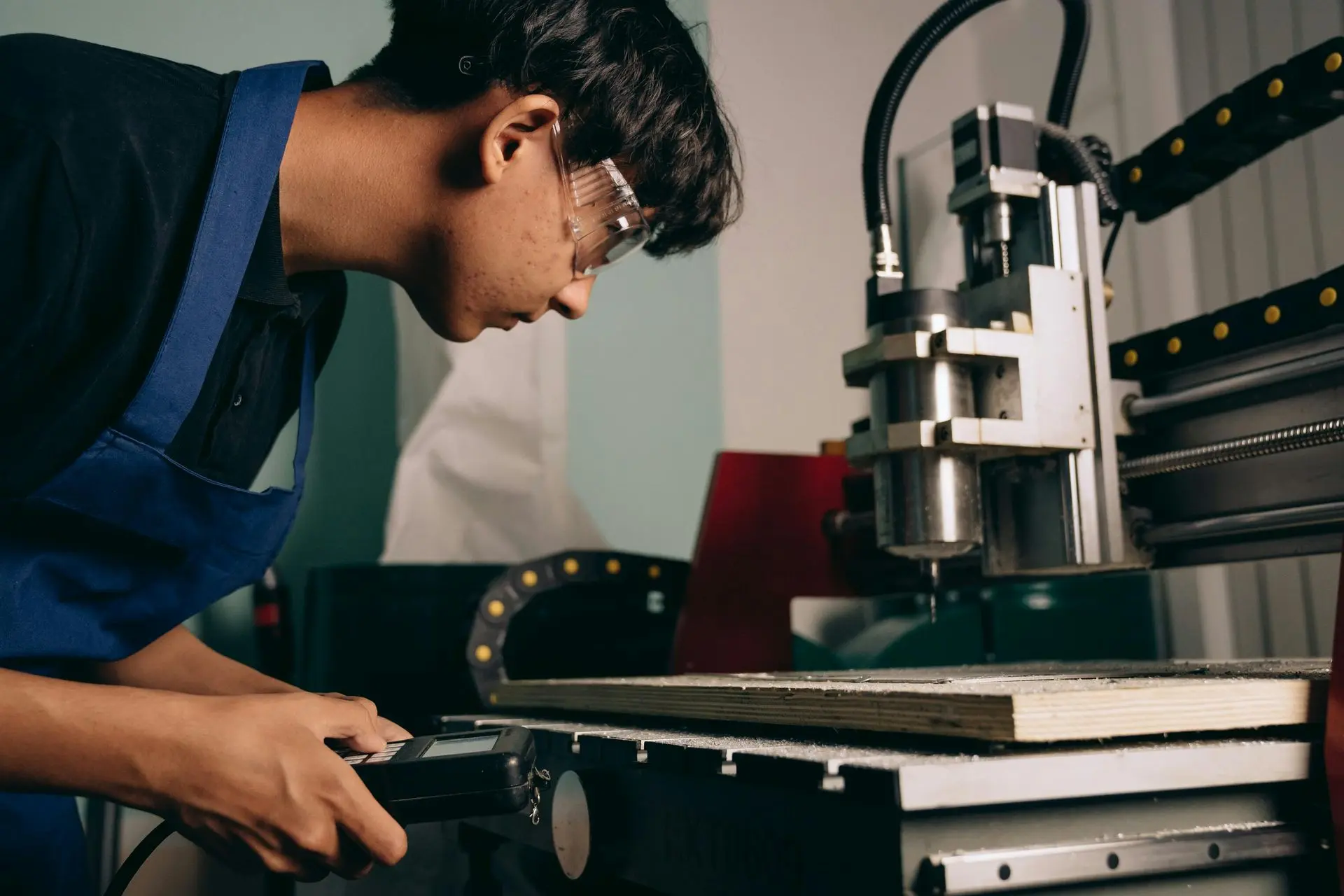
5. Testing for Longevity
Once you have a working model, you move into product testing and reliability testing. This is where you push the product to its limits. Does the battery hold a charge? Do the hinges break after 1,000 uses? Does it survive a drop test?
Reliability testing ensures that when a customer opens your box, they get a product that works and stays working. In a world of instant online reviews, one batch of faulty products can ruin a brand’s reputation. High-quality product development services will always include a rigorous testing phase to catch these issues before the goods leave the factory floor.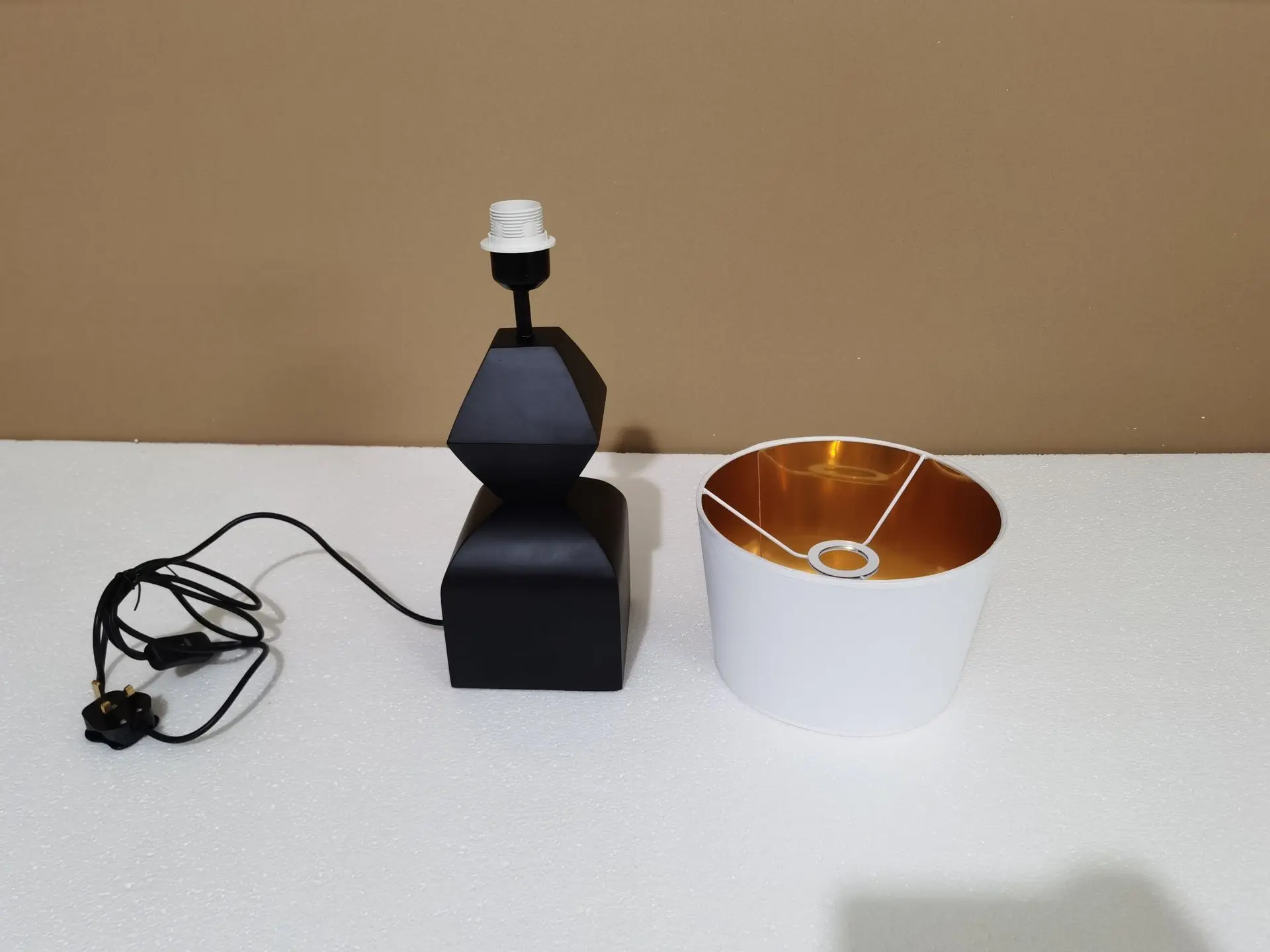
Step 6: Managing the Manufacturing Process
Choosing a factory is about more than just the lowest price. You are looking for a partner. Look for manufacturers that offer:
- Transparent communication: Can you talk to the floor manager directly?
- Quality control systems: Do they have ISO certifications?
- Scalability: Can they keep up if your product goes viral?
The manufacturing sector in China is highly specialized. Often, it's best to find a factory that already makes products similar to yours, as they will already have the necessary material procurement channels and specialized machinery in place.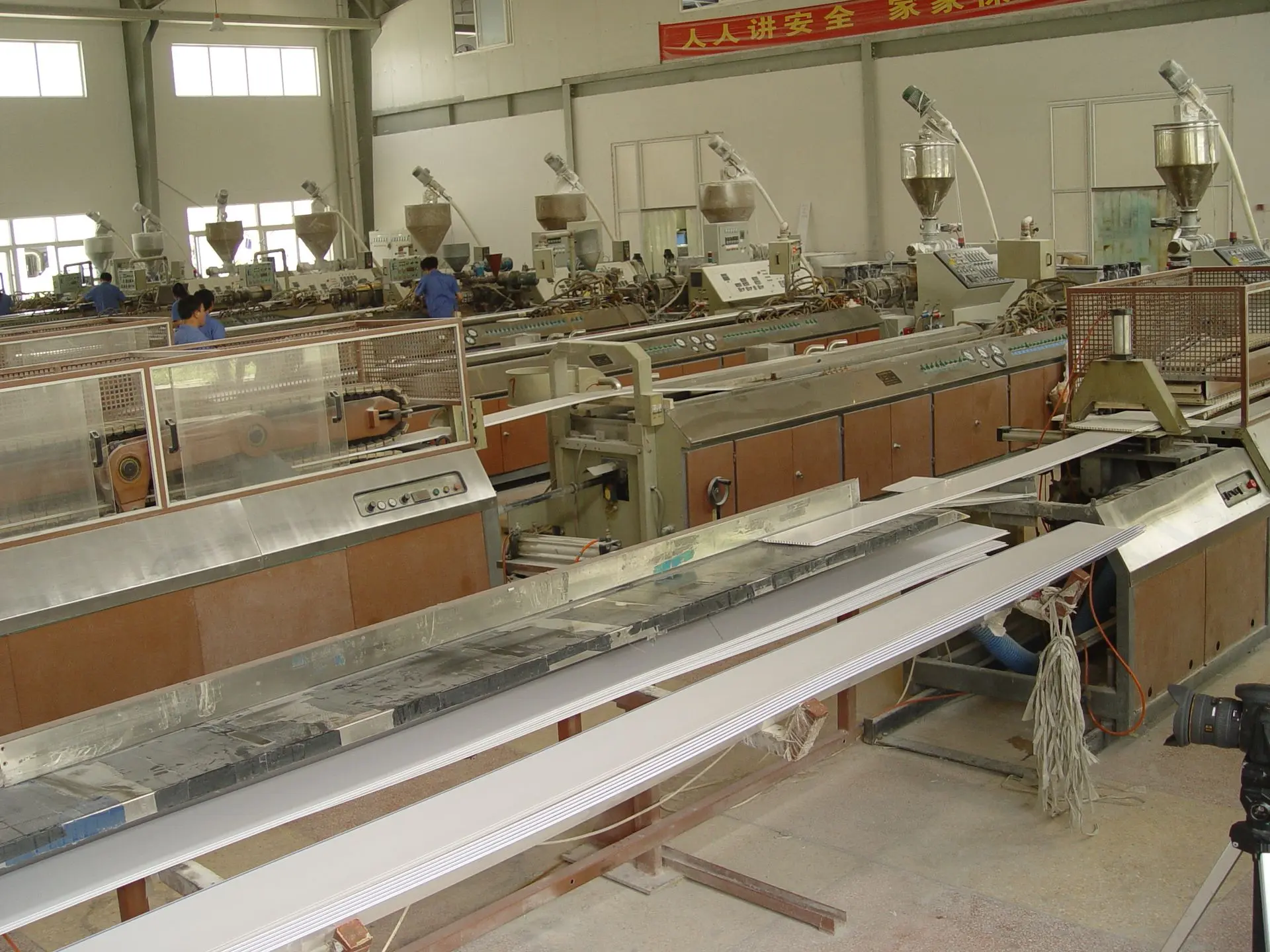
Step 7: Logistics, Packaging, and Compliance
As you approach the finish line, focus on the details that lead to a "unboxing" experience. Packaging is a silent salesman. It needs to be durable enough for international shipping but attractive enough to grab attention on a shelf or a screen.
Furthermore, ensure your product meets all compliance standards for the countries where it will be sold (such as CE, FCC, or RoHS). Non-compliant products can be seized at customs, leading to massive financial losses.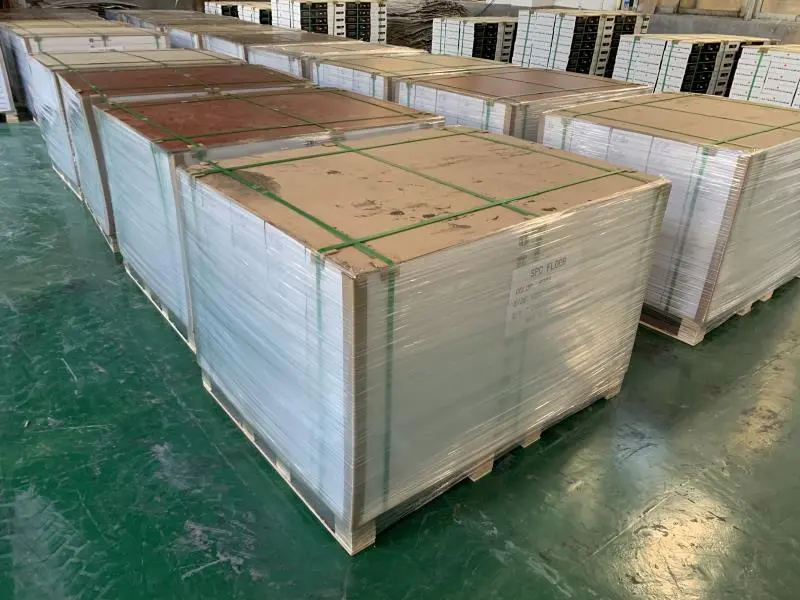
Achieving Long-Term Success in Product Development in China
Product development does not stop at launch. The best Chinese and international teams use field data to make subsequent batches better, starting with the first batch. Regular reliability testing on production devices, customer feedback after launch, and warranty analytics all point out problems that can be fixed in the next engineering release.
At the same time, you should keep your intellectual property protection and supplier management tactics up to date by tightening contracts, changing sourcing plans, and researching advanced materials or processes that can provide you a competitive advantage in terms of performance or cost. Long-term ties with Chinese manufacturers, labs, and sourcing partners provide a support network, allowing for faster and less risky product introductions.
By combining clear product concepts, strong intellectual property and compliance strategies, expert engineering and prototyping, rigorous testing, and streamlined production—exactly the pillars shown in your product development process image—you can transform China into a powerful engine for long-term product innovation and growth.
How Guangzhou Sourcing Supports Product Development in China
Successful product development in China depends on strong local execution. Guangzhou Sourcing provides on-the-ground expertise that helps international brands reduce risk, protect intellectual property, and streamline production from concept to scale.
The team conducts IP-safe supplier selection, working only with pre-vetted manufacturers while implementing proper NNN agreements before technical files are shared.
Through coordinated engineering reviews and Design for Manufacturing (DFM) analysis, products are refined for cost efficiency, structural integrity, and smoother mass production.
Guangzhou Sourcing also manages prototype coordination, overseeing sample development, inspection, and iteration to ensure alignment before tooling investment.
For regulated markets, the company coordinates lab testing and compliance certification (such as CE, FCC, or RoHS), integrating regulatory requirements early in the development cycle.
Finally, factory audits and structured quality control inspections ensure production consistency and shipment integrity.
With direct factory access and structured oversight, Guangzhou Sourcing serves as a trusted bridge between global brands and China’s manufacturing ecosystem—supporting secure, efficient, and scalable product development.
Successful product development in China is built on structure, clarity, and the right partnerships. Whether you are refining an early-stage concept or preparing for scaled production, having experienced guidance on the ground can make a meaningful difference in cost control, compliance, and long-term performance.
If you are exploring product development in China and would like an informed perspective on your project, the team at Guangzhou Sourcing is available to discuss your goals, review your plans, and help you evaluate the most practical next steps.