
One of the most significant decisions you take during the design of a bathroom is the choice of the basin materials. It might be an insignificant point, but it influences the appearance of your space, the duration of your basin, and its sustainability.
You use your washbasin every day. You clean your hands and your teeth and you clean up after a long day. Therefore, the material should not have issues with water, soap, and frequent use. Meanwhile, it would suit your style and budget.
In this guide, you will have all the information that you require with regard to basin materials. We will make the comparison of ceramic, solid surface, stone and composite basins in a simple, straightforward way. At the end, you will have a clear picture of what alternative is the best choice to make in your project.
As a global purchaser, architect, contractor, property developer, or homeowner, a successful project requires the appropriate selection of the material to use as a basin. This guide is a clear and practical guide founded on actual sourcing and project experience to enable you to make certain decisions, minimize risks, and integrate the appropriate solutions to your unique requirements.
Why Basin Material Matters for Commercial Projects
Basin materials used in commercial areas should be able to sustain heavy traffic and performance.
- Durability is needed in high traffic times.
- Long-term cost matters
- There is importance in design consistency.
To commercial buyers, the correct material enhances performance, lessens the cases of maintenance, and guarantees a higher rate of return on investment.
Simultaneously, the sourcing of appropriate basin material is not merely related to the selection of the product. It also involves consistent suppliers, good quality control, and easy logistics. It is here that a professional sourcing partner comes in.
In Guangzhou Sourcing, we assist the clients in the whole procurement process, including the selection of suppliers, price negotiation, quality inspection, and providing delivery arrangements. In China we are your local team to make sure that all the products are within your project specifications, schedule, and budget.
This implies that you not only select the correct basin material but also enjoy reliability, constancy of supply, and a hassle-free sourcing process for your commercial operations.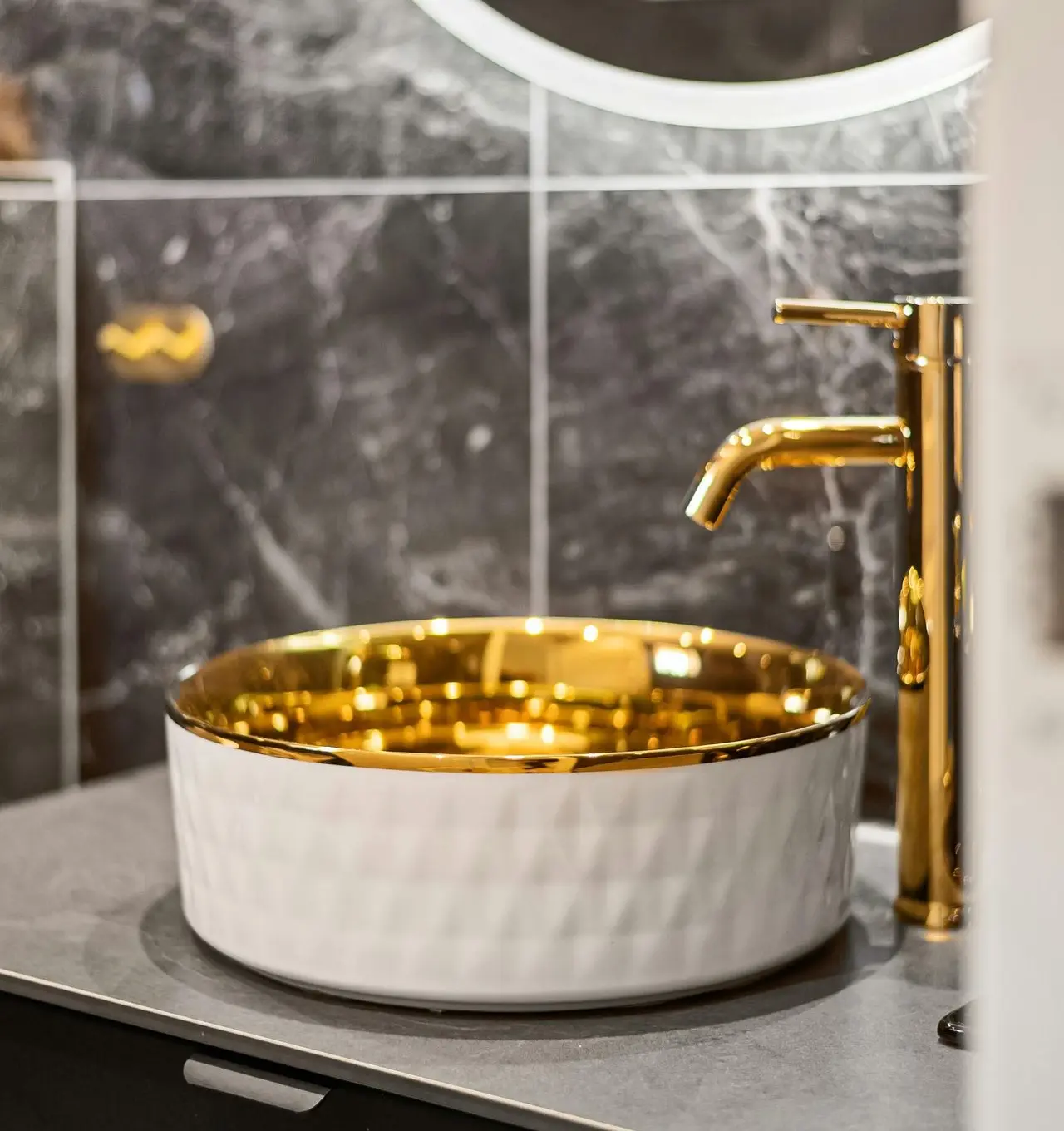
What Are Basin Materials?
The material that is utilized to make a washbasin is known as "basin material." The various materials have different advantages and each can be applied to a certain user or project.
There are a number of factors that manufacturers are sensitive to when selecting the material:
- Durability: The length of the basin.
- Water Resistance: Water-resistance attributes.
- Maintenance: How simple it is to clean.
- Flexibility in Design: Style, paint, and finish.
- Price: Affordable or high-end.
Being aware of these factors, you will be able to select the appropriate material without any misunderstanding.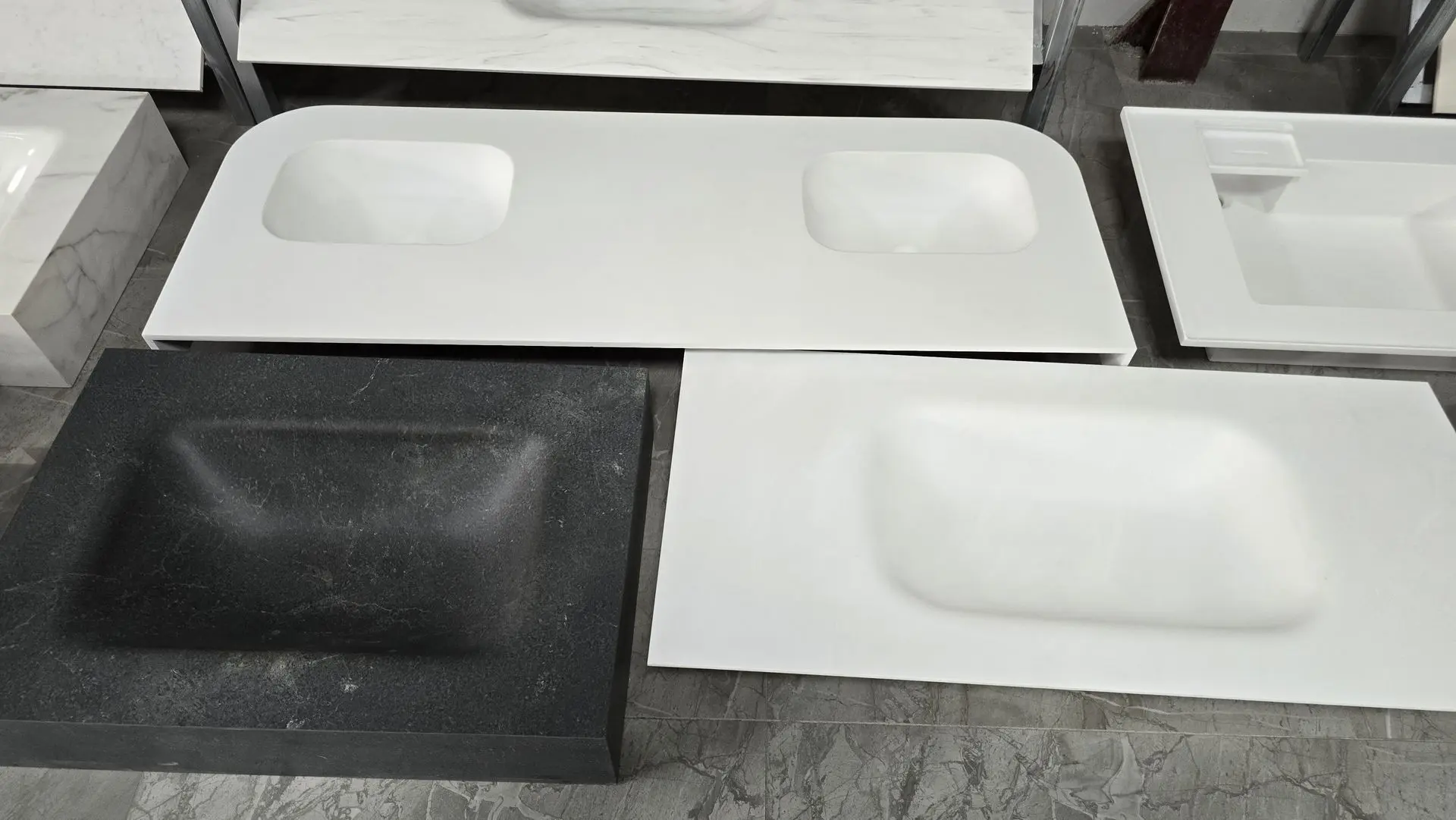
Types of Basin Materials (Quick Overview)
To be able to see the primary differences, here is a basic comparison:
Material | Durability | Maintenance | Price Range | Best For |
Ceramic | Medium | Easy | Low | Homes, apartments |
Solid Surface | High | Medium | Medium-High | Modern bathrooms |
Stone | Very High | Hard | High | Luxury spaces |
Composite | Very High | Easy | Medium | Busy homes, commercial |
Now we will discuss each material separately.
Ceramic Basins: The Classic Choice
What Is Ceramic?
Ceramic basins will be of natural clay compounded with minerals. This mixture is molded into a basin by manufacturers before it is fired in a kiln at very high temperatures (more than 1000°C). This makes this material hard and forms a glassy, glaze-like surface known as glaze.
This is a very critical step in glazing. It covers the surface and waterproofs and simplifies the cleaning of ceramic basins.
How Ceramic Basins Are Made (Simple Process)
- The clay is rolled in the shape of a basin.
- The basin is dried to get the water off it.
- It is baked in a high-temperature kiln.
- A glaze coating is applied.
- It is again fired to produce a smooth finish.
- This treatment makes ceramic strong and smooth.
Key Features of Ceramic Basin Materials
- Glossy and smooth surface.
- No porous finish (absorbs none of the water).
- Stain-resistant and odor-resistant.
- May be found in numerous standard forms (round, oval, and square).
- Communally popular in residential and business locations.
Pros of Ceramic Basins
Easy to Clean
Ceramic can be washed in little time and using low amounts of soap and water. This is because of the smooth surface on which dirt does not adhere easily.
Affordable
One of the cheapest basin materials is ceramic. It is suitable when dealing with large projects whose cost is limited.
Stain-Resistant
The glazed surface does not allow water, soap, and toothpaste to penetrate the material.
Hygienic Surface
The finish is non-porous and thus bacteria do not enter it, making it a safe choice to use on a daily basis.
Cons of Ceramic Basins
Can Chip or Crack
Ceramic is hard but brittle. When you drop a heavy object on it, it may crack or even chip.
Limited Design Options
The major number of ceramic basins are of standard design. Custom shapes are rare.
Heavy Compared to Plastic Options
This is not as heavy as the stone, but ceramic should be properly supported when installed.
Best Use Cases
- Residential bathrooms
- Rental properties
- Budget renovations
- Normal business ventures.
Ceramic is the most suitable choice when you would prefer something simple, reliable and not very costly to maintain.
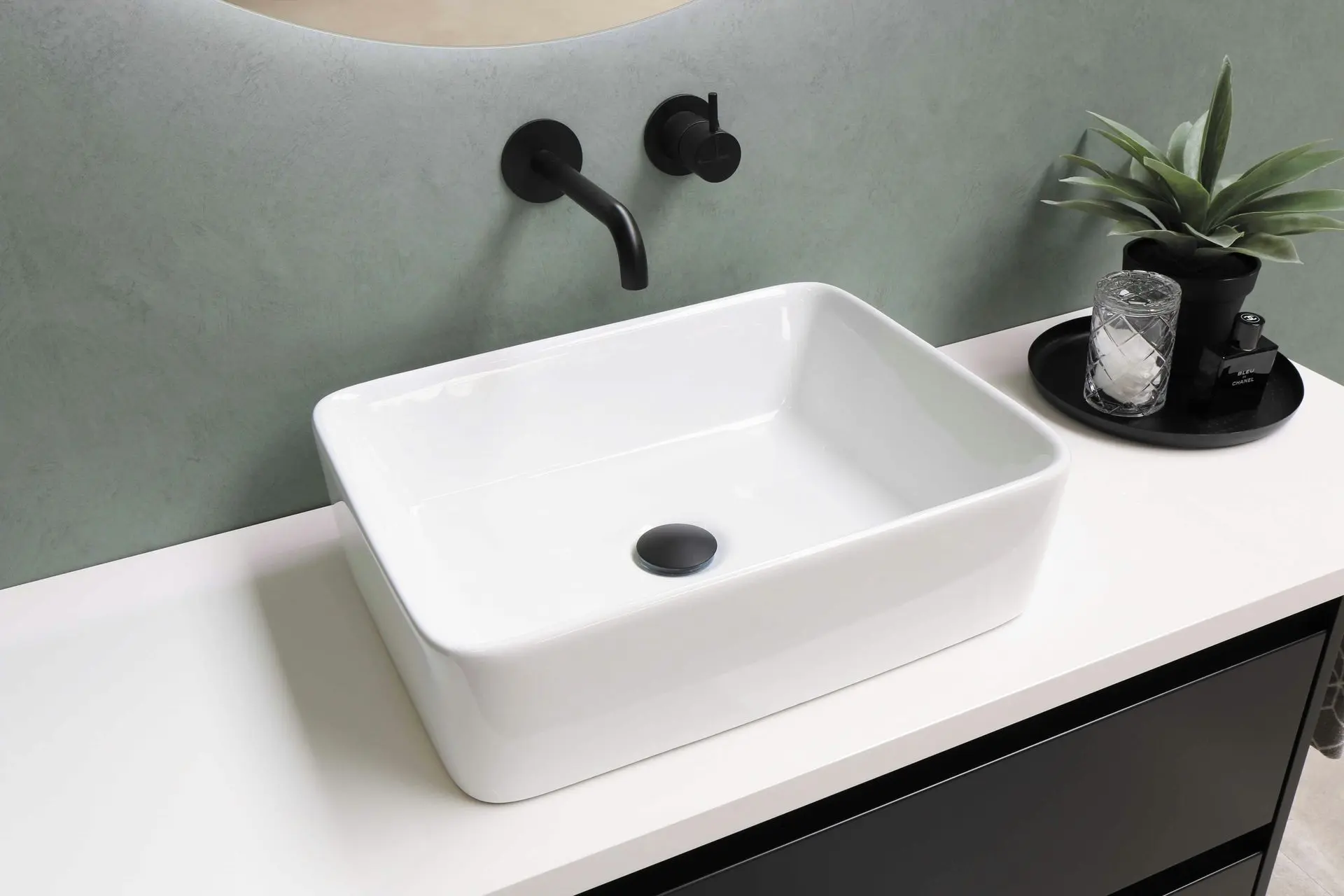
Explore Our Basin & Sink Catalogs
Browse our selection of ceramic basins, bathroom sinks, and other basin options sourced from Chinese manufacturers.
Solid Surface Basins: Modern and Seamless
What Are Stone Basin Materials?
The stone basins are a product of natural rocks that are cut and molded into basin shapes. Common types include:
- Marble (smooth and elegant)
- Granite (strong and durable)
- Travertine (treated and natural appearance).
The pattern of the stone basins is distinctive, as each of them is created naturally.
How Stone Basins Are Made
- Stone blocks that are natural are picked.
- The stone is cut into shape
- The interior is carved out
- The surface is polished or left textured.
- In order to protect it, a sealant is used.
Features of Stone Basin Materials
- Rich and natural appearance
- Unique veining and patterns
- Durable structure that is very strong.
- Heavy and solid feel
- In both polished or raw finishes.
Pros of Stone Basins
Premium Look
Stone basins would immediately give a luxurious impression in any bathroom.
Long-Lasting
Stone will be around decades under good care.
Unique Design
All basins are unique and this gives exclusivity to your space.
Strong Material
Stone is resistant to heat and heavy use as compared to most materials.
Cons of Stone Basins
Expensive
Stone is a very expensive basin material because of its sources and processing.
Requires Maintenance
The surface should be sealed on a regular basis to avoid stains and water uptake.
Heavy Weight
Stone basins should be well supported and installed.
Can Stain Without Sealing
Unsealed liquids have the potential of soaking into the stone.
Best Use Cases
- High-end villas
- Luxury hotels
- Designer bathrooms
- Spa and resort projects
Stone is ideal when you would like to have a bold, more natural, and elegant accessory.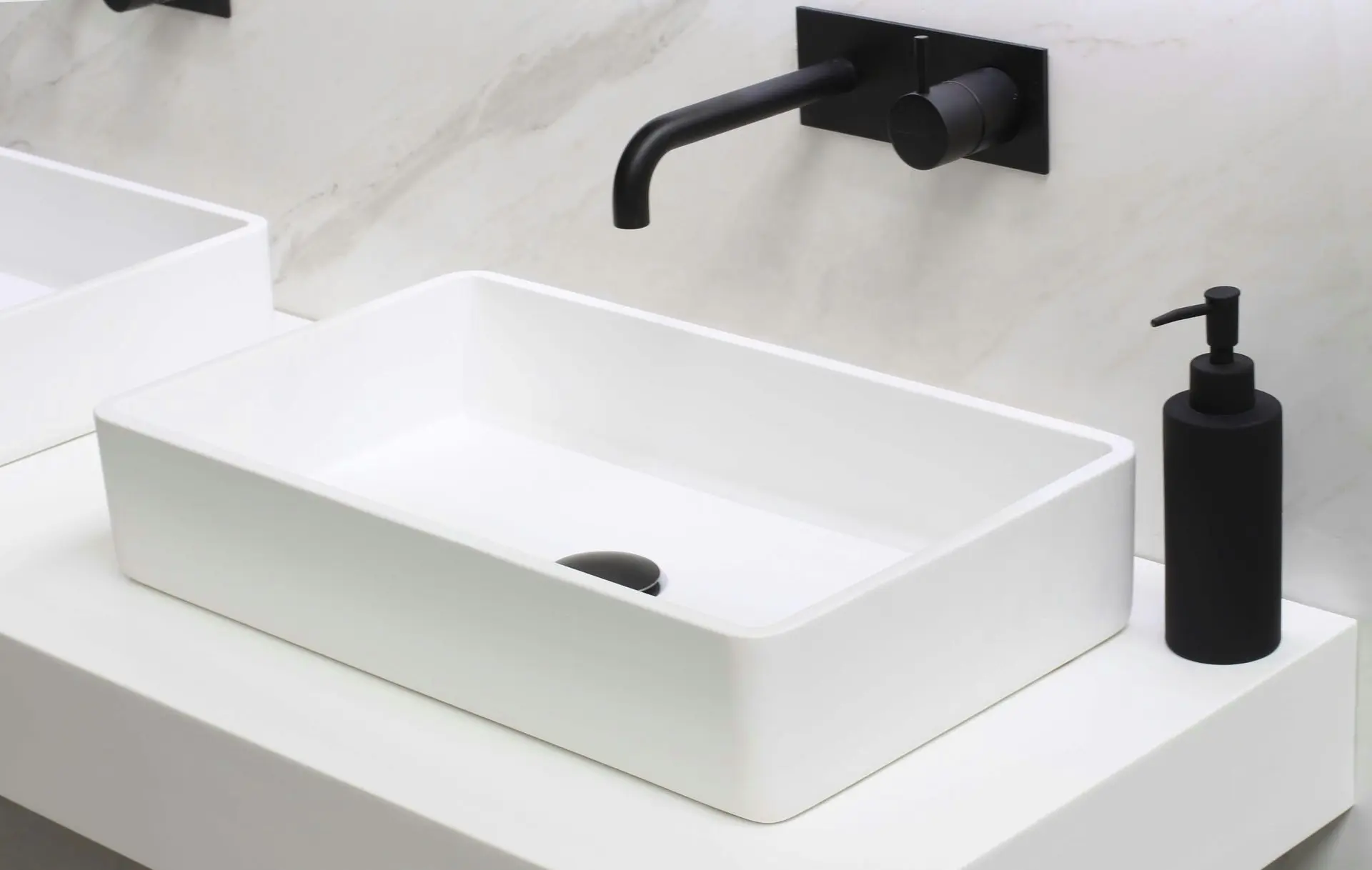
Composite Basins: Durable and Innovative
What Are Composite Materials?
Composite basins are composed of natural materials and the current technology. They use:
- Stone or Quartz particles crushed.
- Resin or binding agents
Such a blend results in a powerful and multiple material.
How Composite Basins Are Manufactured
- Stone particles and resin are combined together.
- The mixture is cast in molds.
- It is forced into a tight space.
- The finishes (matte or textured) are complete.
This cycle forms a deep basin.
Features of Composite Basin Materials
- Extreme toughness and hardiness.
- Scratch-resistant and impact-resistant.
- Very diverse variety of colors and finishes.
- Not porous or low in porosity.
- Sophisticated and fashionable look.
Pros of Composite Basins
Very Durable
Composite materials are able to sustain heavy daily loading.
Stylish Options
You have the option of a variety of colors, textures, and contemporary designs.
Low Maintenance
It is easy to clean, and the surface is not stained.
Good Balance of Cost and Quality
Composite has good performance at a middle-level price.
Cons of Composite Basins
Price Variation
Quality will be based on the ratio of manufacturers and material.
Mid to High Cost
It was more expensive than ceramic and cheaper than stone.
Not Fully Natural
Other users are inclined to use 100 percent natural materials such as stone.
Best Use Cases
- Busy households
- Commercial bathrooms
- Offices and public spaces
- Current residential developments.
Composite would be the best in case of durability, style, and low maintenance in a single solution.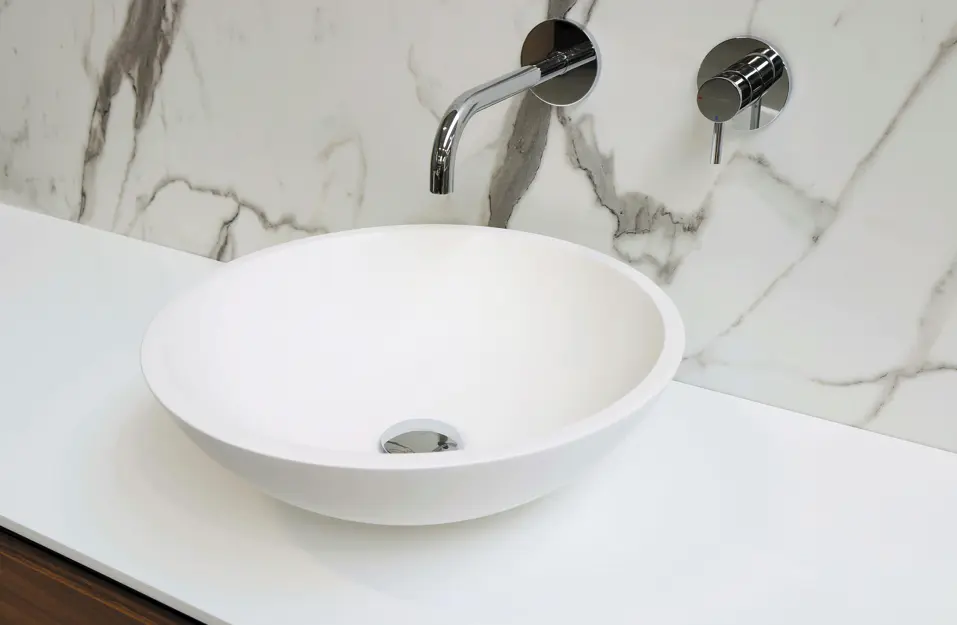
Ceramic vs Solid Surface vs Stone vs Composite
The following is a comparison of the two in detail to make your choice:
Feature | Ceramic | Solid Surface | Stone | Composite |
Durability | Medium | High | Very High | Very High |
Cost | Low | Medium-High | High | Medium |
Maintenance | Easy | Medium | Hard | Easy |
Design Flexibility | Low | High | Medium | High |
Weight | Light | Medium | Heavy | Medium |
Lifespan | Good | Very Good | Excellent | Excellent |
One of the things that this table can help to realize is that there is no one best material. What is right is based on your needs.
How to Choose the Best Basin Materials for Your Project
When you take these steps, then it becomes easy to select the correct basin materials.
Set Your Budget
- Low budget → Ceramic
- Medium budget → Composite
- Stone or solid surface → high budget.
Think About Design Style
- Modern → Solid surface or composite
- Classic → Ceramic
- Luxury → Stone
Consider Usage
- Light use → Ceramic works fine
- Heavy use → Select composite or stone.
Check Maintenance Needs
- Low maintenance → Ceramic or composite
- High maintenance is acceptable → Stone.
Look at Installation
Stone and similar heavy materials require firm support. Always make pre-planning on installation.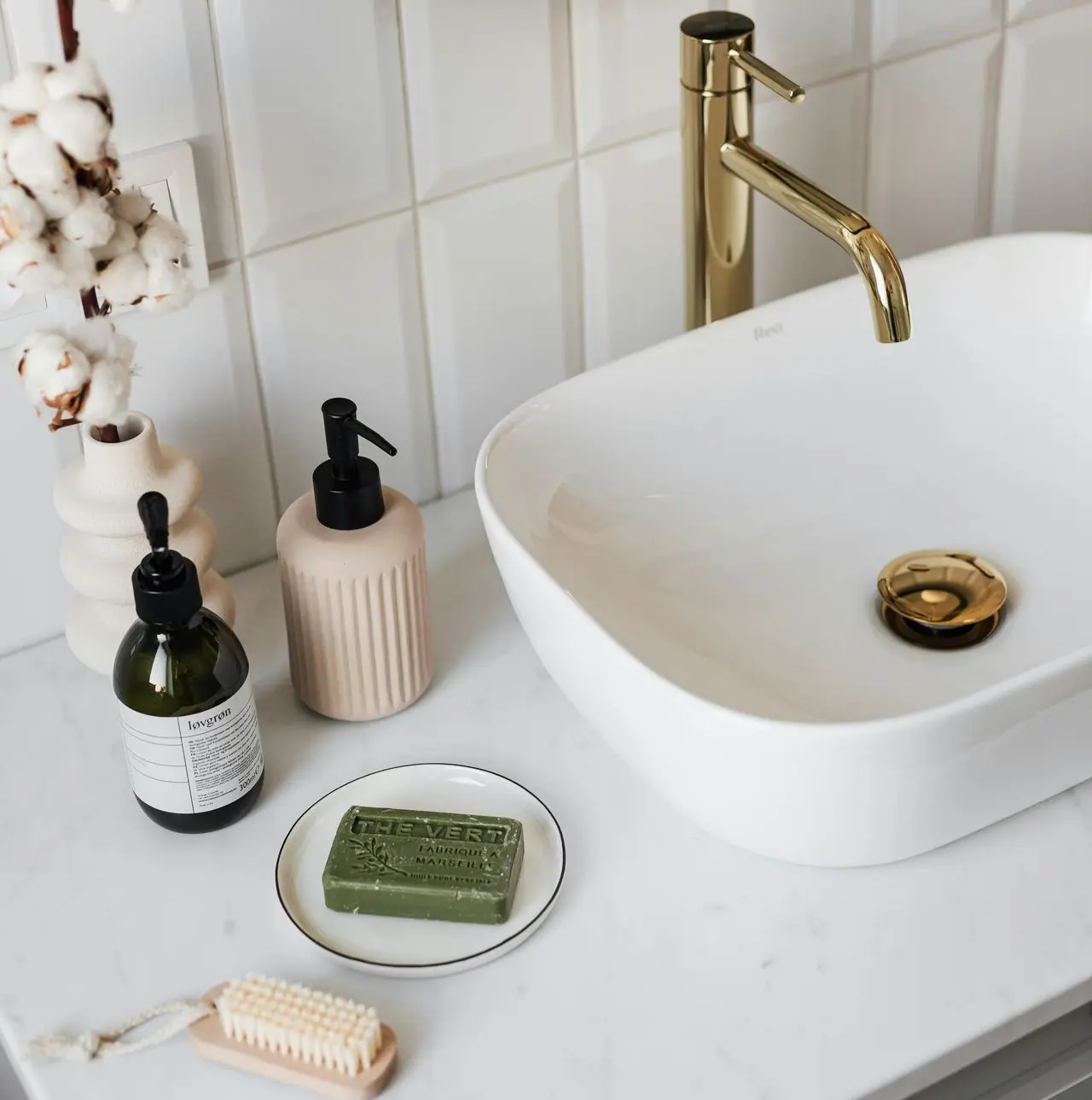
Maintenance Tips for Different Basin Materials
Caring about your basin helps it to look new over a period of years.
Ceramic
- Clean with mild soap
- Avoid strong chemicals
- Use a soft cloth
Solid Surface
- Clean regularly
- Polish small scratches
- Avoid sharp tools
Stone
- Seal the surface regularly
- Clean spills quickly
- Use stone-safe cleaners
Composite
- Wipe daily with a cloth
- Avoid harsh chemicals
- Cleaning products must be soft.
Common Mistakes to Avoid
Due to mere errors, many individuals make wrong basic decisions.
Choosing Only Based on Looks
A nice basin might not be long-lived in case the material is not strong.
Ignoring Maintenance
Certain materials require routine maintenance. Always check before buying.
Not Considering Weight
Massive basins should be supported.
Overlooking Long-Term Use
Imagine the frequency of use of the basin.
It will save time and money by avoiding these mistakes.
Trends in Basin Materials (2026)
The design of bathrooms continues to develop. Here are the latest trends:
Matte Finishes
Individuals like soft surfaces that are not glossy.
Eco-Friendly Materials
Recyclable and eco-friendly materials are becoming more popular.
Minimalist Designs
Modern spaces are dominated by basic shapes with clean lines.
Integrated Basins
The countertops have basins in them, which provide a smooth appearance.
Smart Features
Smart and touchless faucets enhance hygiene and convenience.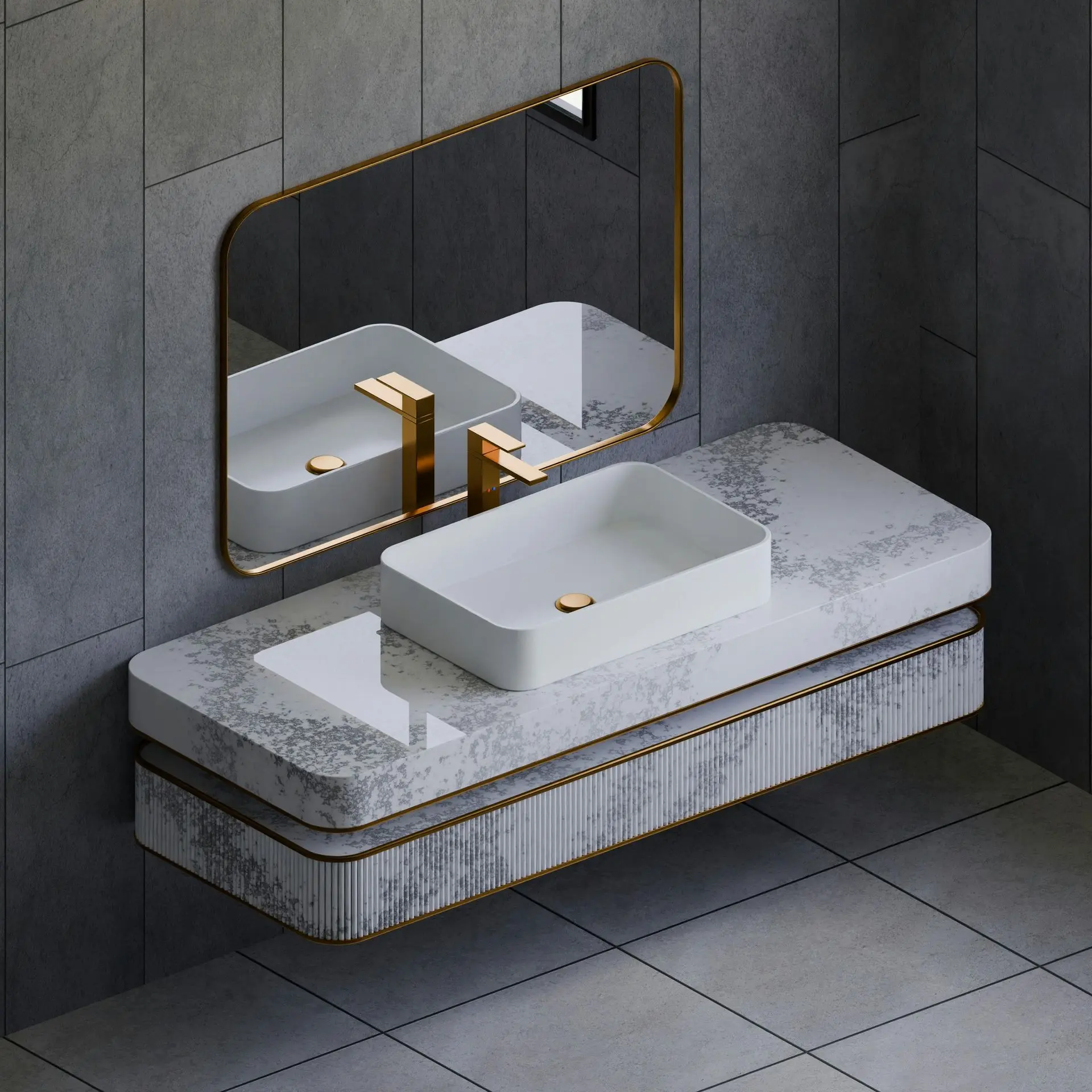
Conclusion
Your selection of the proper basin materials is dependent on your requirements, budgets, and project objectives. Ceramic is inexpensive and easy to use. Solid surfaces offer a contemporary and smooth appearance. Stone brings out the luxury and uniqueness. Composite is stylish and long-lasting. These differences allow you to make a sure and workable decision on any kind of project when you know about these differences.
We also assist a global buyer, architect, contractor, and developer in sourcing high-quality basin materials at Guangzhou Sourcing to supply materials with uniform quality, consistency, and reliability in supply. We specialize in finding reliable manufacturers and making sure that your products are up to the project specifications.
You have a follow-up project or need a partner company to source materials with a lot of assurance, then call us now and let us assist you in selecting the appropriate basin materials.
FAQs
1. What is the most durable basin material?
The most reliable ones are composite and stone. They deal with high usage and have a long life span.
2. Which basin material is easiest to clean?
Ceramic is the least difficult to wash due to its smooth and non-porous surface.
3. Are stone basins worth the cost?
Yes, when you are willing to pay for a quality and durable design. Nevertheless, they are in need of care.
4. What is the best basin material for modern bathrooms?
Modern designs are best executed using solid surface and composite materials because they have a clean and stylish appearance.
5. Which basin material is best for commercial use?
Enhanced composite should be selected, as it is durable, low maintenance, and can be designed.